Top 10 Prefab Container Homes You Need to Know About?
Prefab container homes represent a growing trend in sustainable living and affordable housing. According to a report by Grand View Research, the global prefabricated housing market is expected to reach $195.3 billion by 2027, fueled by innovations in construction technology and rising demand for eco-friendly solutions. Industry expert Dr. Emily Cartwright, a leading architect in modular design, emphasizes, "Prefab container homes combine efficiency with innovation, addressing both cost and environmental concerns."
These homes optimize space and utilize repurposed materials, showcasing a commitment to sustainability. Many people are drawn to their unique aesthetics and versatility. However, potential buyers should carefully consider zoning laws and structural integrity, as not all units are created equal. The idea of living in a prefab container home can be appealing, but understanding local regulations is crucial for a smooth transition.
Despite the allure of prefab container homes, challenges remain. Some designs may lack traditional comforts, leading to questions regarding livability. As the market evolves, ongoing discussions about these issues will shape future developments in the industry. Embracing the concept of prefab structures could revolutionize housing, yet reflective considerations are necessary for responsible implementation.
Introduction to Prefab Container Homes: An Overview of Advantages
Prefab container homes have gained popularity due to their unique advantages. They are largely cost-effective, with a typical price range between $10,000 to $50,000. This offers an affordable alternative for first-time homeowners. Many reports indicate that building with containers can save up to 30% in costs compared to traditional construction. Moreover, their modular nature allows for quick assembly, often reducing the time to complete a home by 50%.
Sustainability plays a key role in their appeal. Using recycled shipping containers minimizes waste. According to a 2022 industry study, the eco-friendly aspect of container homes attracts 62% of potential buyers. The initial environmental impact is lower than traditional homes. However, the insulation and utility systems require careful planning. Without proper insulation, these homes may suffer from temperature fluctuations, impacting comfort and energy costs.
Despite their advantages, prefab container homes are not without challenges. Zoning laws can create obstacles. Many areas have strict regulations that impact where these homes can be placed. Buyers need to investigate local ordinances. While the trend is growing, potential owners must weigh the benefits against the complexities of regulations.
Top 10 Prefab Container Homes You Need to Know About
Container Home Model
Size (sq ft)
Number of Bedrooms
Price Range
Sustainability Features
Model A
320
2
$30,000 - $50,000
Solar Panels, Rainwater Harvesting
Model B
640
3
$60,000 - $80,000
Green Roof, High Insulation
Model C
400
1
$40,000 - $60,000
Energy-Efficient Windows
Model D
720
4
$75,000 - $100,000
Bamboo Flooring, LED Lighting
Model E
960
3
$80,000 - $120,000
Passive Solar Design
Model F
600
2
$50,000 - $70,000
Recycled Materials
Model G
350
1
$25,000 - $45,000
Compost Toilets
Model H
500
2
$55,000 - $75,000
Water-Saving Fixtures
Model I
800
3
$90,000 - $110,000
Smart Home Technology
Model J
450
2
$35,000 - $55,000
Wind Turbines
The Top 10 Prefab Container Homes: Unique Features and Designs
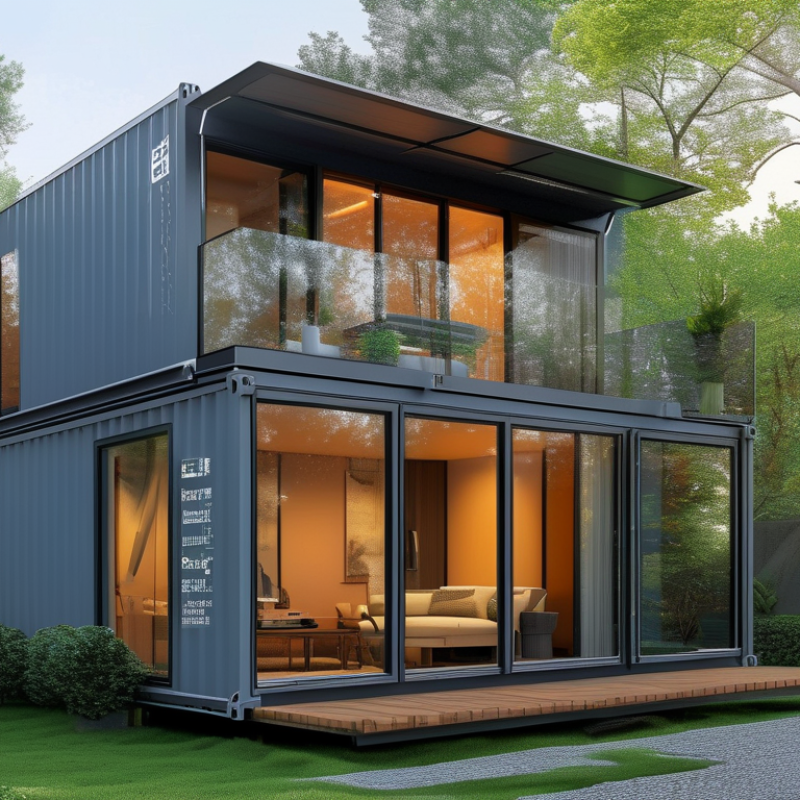
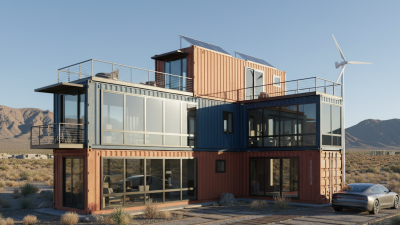
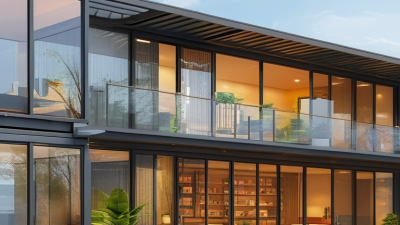
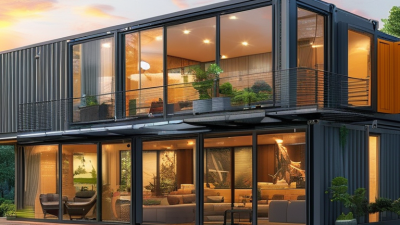
Prefab container homes have gained popularity due to their unique designs and eco-friendly features. These homes are made from repurposed shipping containers, making them both stylish and sustainable. Their modular nature allows for creativity in layout and functionality. Many designs highlight large windows for natural light, open floor plans, and outdoor spaces for relaxation.
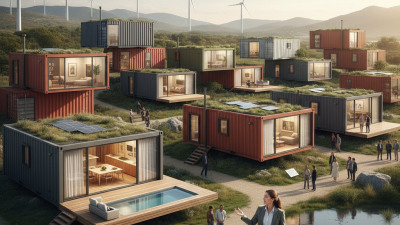
One standout feature is the flexibility in customization. Owners can choose finishes, colors, and layouts that reflect their personalities. Some designs incorporate green roofing, which supports plants and enhances insulation. However, living in a container home can present challenges like insulation needs and potential corrosion. Finding the right climate and location for these homes is crucial.
The innovative use of space is admirable, but it requires careful planning. Many homeowners struggle with balancing aesthetics and practicality. You may want to consider these factors before diving into a project. Ultimately, prefab container homes are a fascinating option for those seeking a unique living experience with a smaller environmental footprint.
Cost Analysis: Budgeting for a Prefab Container Home vs. Traditional Homes
The cost of building a prefab container home is often lower than that of a traditional home. This factor makes it appealing to many looking for affordable housing solutions. On average, the cost per square foot for a container home can be significantly less. For instance, some homeowners report figures around $100-$200 per square foot. Traditional homes can exceed $300 per square foot, depending on the location.
When budgeting for a prefab container home, consider additional expenses like permits and land preparation. Containers might seem cheap, but costs can accumulate quickly. Electrical and plumbing installations may require modifications. Design choices also impact the overall budget. Opting for eco-friendly solutions can save on utility bills.
To effectively manage your finances, create a detailed plan. Do thorough research on local building codes. Some areas have strict regulations regarding container homes. Always include a contingency fund for unexpected costs. Seek advice from professionals experienced in prefab construction. Engaging with experts can offer insights into hidden costs. Utilize online resources to stay informed. Understanding market trends helps in making wise investments.
Sustainability and Eco-friendliness of Container Homes: Industry Insights
Container homes have surged in popularity due to their sustainability and eco-friendliness. These homes repurpose shipping containers, reducing waste and promoting recycling. They consume fewer resources than traditional homes, leading to lower carbon footprints. Many container homes feature energy-efficient designs, utilizing solar panels and rainwater harvesting systems.
Despite their benefits, container homes are not without challenges. Insulation can be an issue in extreme weather conditions. Finding suitable locations for these structures may also pose difficulties. Furthermore, the initial costs can vary significantly based on customization and location.
On a positive note, the growing interest in container homes reflects a shift towards more sustainable living. Many architects and builders are exploring innovative designs. They aim to balance aesthetics with eco-friendliness. Embracing this trend opens up discussions on how we can better utilize resources in housing.
Trends in the Container Home Market: Growth Statistics and Future Predictions
The container home market is rapidly evolving. Recent reports show significant growth in this sector. The appeal lies in affordability and sustainability. Many choose these homes to downsize and minimize their environmental impact. Young professionals and families are especially drawn to prefabricated options. They offer unique designs and efficient use of space.
Statistics indicate a yearly increase in demand for container homes. In 2022, the global market size was valued in millions, with projections indicating a steady upward trend in the coming years. Buyers are becoming more aware of the benefits, including lower energy costs and quicker building times. However, there are challenges. Local regulations can complicate installations, which can deter potential homeowners.
The sustainability aspect remains a significant selling point. Many consumers value eco-friendly materials and practices. Yet, there are concerns about insulation and long-term durability. Prospective buyers should consider these factors carefully. Embracing container living can be fulfilling, but it's essential to understand all aspects before making a commitment.