logo

What is a Container House Factory and How Does It Work?

The concept of a "container house factory" is revolutionizing the housing industry. As urbanization escalates, demand for affordable and sustainable housing rises. According to a recent report by the Global Container Housing Market, the industry is projected to grow at a compound annual growth rate (CAGR) of 7.5% through 2027. This trend highlights the increasing acceptance and interest in container homes.

Experts emphasize the value of innovative construction methods. Dr. Emily Wang, a leading figure in sustainable architecture, notes, “Container houses provide flexible living solutions while minimizing environmental impact.” This perspective underscores how container house factories play a crucial role in addressing housing shortages.

However, challenges remain. Issues related to insulation, aesthetic appeal, and structural integrity need careful consideration. Many may overlook the need for quality control in production and the importance of local regulations. As the industry evolves, ongoing reflection and adjustment are necessary to fully realize the potential of container houses as a viable housing solution.

What is a Container House Factory and How Does It Work?

What is a Container House Factory? Understanding the Concept and Purpose

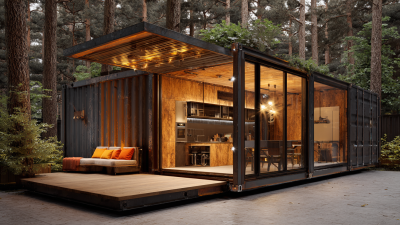
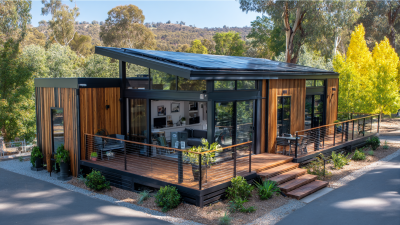
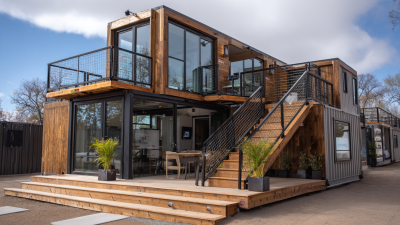
Container houses are becoming increasingly popular in modern construction. They offer a sustainable alternative to traditional building methods, repurposing shipping containers into livable spaces. The Container House Factory is a specialized facility that focuses on converting these steel boxes into functional homes. The concept combines innovative design with eco-friendly practices, reducing waste and energy consumption.

According to a report by Research and Markets, the global modular construction market is projected to grow by over 6% annually. This growth reflects a shift toward more versatile building solutions. A Container House Factory employs skilled workers who focus on design, insulation, and structural integrity. Each container undergoes modifications, including cutting windows or doors, adding plumbing, and integrating electrical systems.

While the potential of container homes is vast, challenges exist. Insulation needs careful consideration to combat temperature extremes. The structural limitations of containers require creative architectural solutions. Additionally, obtaining permits can be complex and varies by region. Despite these challenges, container housing continues to attract attention for its affordability and adaptability, making it a noteworthy option in today’s construction landscape.

Container House Production Statistics

This chart illustrates the production volume of different components used in container house manufacturing. The data showcases the various stages of production, highlighting the importance of each component in the construction of container homes.

Key Components and Materials Used in Container House Construction

Container houses have gained popularity for their unique construction methods and sustainability. The foundation of these homes lies in the materials and components used during construction. Steel shipping containers form the primary structure. They are sturdy, portable, and designed for transportation across oceans. This inherent durability makes them suitable for building sustainable homes.

Insulation plays a crucial role in container houses. It regulates temperature and ensures energy efficiency. Common insulation materials include spray foam and mineral wool. These materials prevent condensation and maintain a comfortable indoor climate. However, insulation installation can be tricky. Improper techniques may lead to gaps and energy loss.

Another key component is the framing system. It supports walls and roofs, ensuring stability. Standard framing materials like wood or metal are commonly used, depending on the design. Windows and doors are also vital. They enhance natural light and ventilation. Yet, poorly designed openings can compromise structural integrity and energy efficiency. The right balance between aesthetics and functionality is essential in container house designs. These homes bring innovative possibilities but require careful planning and execution.

The Manufacturing Process of Container Houses: Step-by-Step Breakdown

Container houses are built from repurposed shipping containers, offering an innovative housing solution. The manufacturing process involves several key steps. Initially, containers are sourced and inspected. It's crucial to ensure they meet safety standards. This step requires expertise in construction and material evaluation.

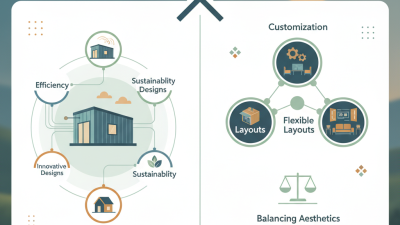
After inspection, containers are cleaned and prepared. Often, they require modifications such as cutting windows or adding insulation. Customization options are vast. Buyers can request unique layouts or designs. It's essential to balance creativity with structural integrity. Sometimes, over-customization can lead to weaknesses.

Tips: When considering customization, think about future needs. An expandable design may serve better long-term. Also, consult with professionals to avoid costly mistakes. They can offer insights on eco-friendly materials, ensuring a sustainable build. Regular quality checks during the process can prevent hidden issues. Too often, overlooked details lead to headaches down the line.

Market Trends and Statistics in the Container House Industry

The container house industry is rapidly evolving. More people are recognizing the benefits of modular homes. A surge in demand is visible, especially in urban areas. Many appreciate the cost-effectiveness and sustainability of these structures. They can be customized easily to fit various needs.

Market trends show a growing interest in eco-friendly materials. Container homes are often made from recycled steel, appealing to environmentally conscious consumers. Statistics indicate that the market for container homes is set to expand by approximately 20% annually. This growth reflects a shift in housing preferences. Many are seeking alternatives to traditional builds. The flexibility of container homes suits diverse living situations, from emergency shelters to permanent residences.

Challenges do exist. Regulations can vary significantly by location. Some areas may not allow container homes at all. This presents hurdles for potential buyers and manufacturers. Moreover, the perception of container homes as "temporary" structures affects their desirability. Overcoming these biases is essential for industry growth. Real estate investors and builders must address these concerns to foster acceptance.

Advantages and Challenges of Building Container Homes in Today's Market

Container homes have gained popularity in recent years. They offer both advantages and challenges in today's housing market. According to recent industry reports, the global market for container homes is expected to grow by over 5% annually. This growth reflects increased demand for affordable housing solutions. However, the building process is not without its complexities.

One significant advantage is cost efficiency. Container homes are generally cheaper to build than traditional houses. Estimates show that construction costs can be reduced by 30% to 50%. This affordability appeals to first-time homebuyers and those on a budget. Yet, there are hidden costs involved, such as site preparation and insulation upgrades. These added expenses can complicate the budget.

While environmental sustainability is a key selling point, challenges persist. Not all shipping containers are suitable for home construction. Some may contain harmful residues or chemicals. Proper inspection and certification are essential to ensure safety. Additionally, zoning laws can pose obstacles. Local regulations may restrict where container homes can be placed. This complexity can deter potential buyers who seek simplicity in housing options.