2026 Top Folding Container House Trends for Global Buyers?
As we approach 2026, the folding container house market is evolving rapidly. These innovative structures offer a unique combination of mobility and sustainability. Designed to adapt to various environments, they reflect modern architectural trends and practical living solutions. Buyers worldwide are increasingly drawn to their versatility and efficiency.
The growing popularity of folding container houses raises questions about their long-term viability. While many see them as perfect for tiny living or temporary accommodations, others worry about durability and design limitations. Prospective buyers must consider the balance between cost-effectiveness and quality.
In this shifting landscape, trends in the folding container house sector will significantly influence global purchasing decisions. Buyers should be aware of evolving designs and emerging technologies that enhance living experiences. Staying informed about these trends can empower buyers to make better choices, ensuring that their investments align with their needs and values.
2026 Trends in Folding Container House Designs for Global Markets
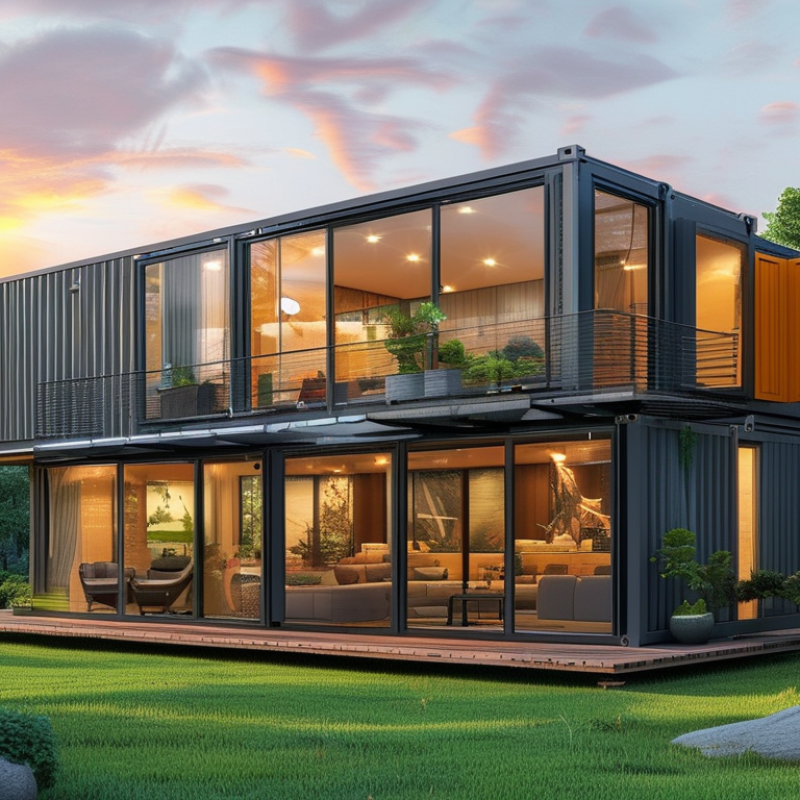
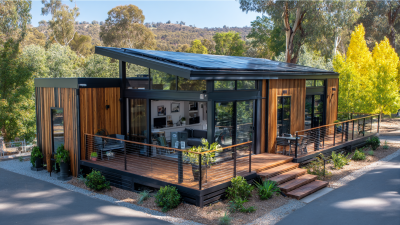
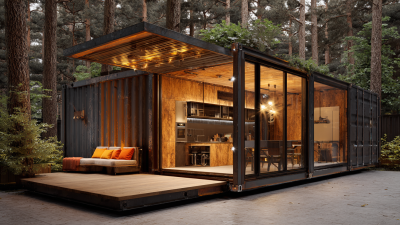
The trends in folding container house designs for 2026 reflect a shift toward sustainability and efficiency. More than 60% of buyers now prefer eco-friendly materials. This preference influences design choices significantly. For instance, many designs incorporate recycled materials, reducing waste. Reports suggest that energy-efficient solutions will be essential. Solar panels and green roofs are becoming common features.
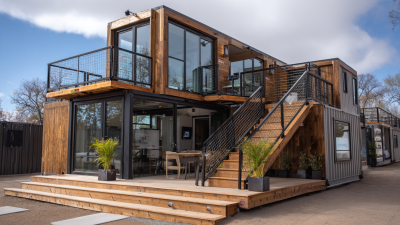
Customization is another critical trend. Buyers seek designs tailored to their specific needs. Many companies report a rising demand for modularity, allowing easy expansion or adjustment. This flexibility appeals to diverse markets, from urban dwellers to remote site developers. However, challenges persist. Some designs struggle to meet stringent building regulations. This inconsistency may hinder adoption in certain regions.
Moreover, technology integration remains vital. Smart home features are becoming integrated into container homes. Many experts project adoption rates of smart technology will exceed 40% in the next few years. However, balancing tech with affordability poses issues. As buyers weigh costs against features, the market may see mixed responses. The evolving landscape of container house designs will likely spark continuous innovation and debate.
Sustainability: Eco-Friendly Materials in Container House Construction
Sustainability is reshaping the housing market. Eco-friendly materials become vital in container house construction. A recent report highlighted that 72% of new buyers prefer sustainable living options. This preference drives manufacturers to adopt innovative materials that reduce environmental impact.
Recycled steel is gaining traction. It has been shown to reduce carbon emissions by up to 30% compared to traditional building materials. Additionally, using insulated panels made from recycled plastics offers clear benefits. These panels improve energy efficiency, keeping homes cooler in summer and warmer in winter.
However, challenges remain. Sourcing sustainable materials can be expensive. Many builders struggle to find reliable suppliers. Moreover, the market demands skilled labor familiar with eco-friendly practices. Training and adaptation are essential to meet this growing demand effectively. As trends evolve, more focus on eco-friendly practices could establish a sustainable future for housing.
2026 Top Folding Container House Trends for Global Buyers
Trend
Description
Eco-Friendly Material
Sustainability Impact
Modular Design
Flexible and customizable living spaces.
Recycled Steel
Reduces waste and lowers carbon emissions in production.
Green Roofs
Incorporating vegetation on rooftops.
Natural Soil and Native Plants
Improves insulation and supports biodiversity.
Solar Integration
Utilizing solar panels for energy needs.
Photovoltaic Materials
Promotes renewable energy usage and reduces energy costs.
Insulation Innovations
Advanced insulation for climate control.
Eco-Friendly Foam
Reduces energy consumption for heating and cooling.
Water Recycling Systems
Systems for purifying and reusing water.
Biodegradable Filters
Conserves water resources and minimizes waste.
Innovative Features Enhancing Comfort in Folding Container Homes
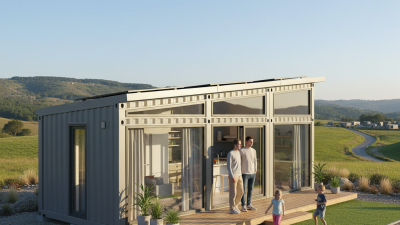
The folding container home trend is gaining traction worldwide. Buyers are particularly interested in innovative features that enhance comfort. Research indicates that almost 48% of prospective homeowners prioritize energy efficiency and sustainable living. These features are crucial in shaping modern lifestyles.
Smart technology integration plays a vital role. For instance, automated lighting and temperature controls improve comfort significantly. Studies show that homes equipped with smart tech reduce energy consumption by up to 30%. This appeal is enhanced when considering affordability; many folding homes maintain lower costs compared to traditional housing.
Flexibility in design is also noteworthy. Many models allow for adjustable layouts. However, there are challenges. The modular nature can sometimes lead to limited space. Furthermore, buyers must consider the quality of materials used. Cheaper options may sacrifice durability, raising concerns about long-term reliability. This balance between comfort and practicality remains essential in the evolving market.
Regulatory Challenges and Solutions for Container House Deployments
The deployment of container houses faces unique regulatory challenges. Local zoning laws can restrict where these units can be placed. Many areas have specific building codes that container houses may not easily meet. These regulations can hinder innovative housing solutions, especially in urban settings.
To navigate these challenges, collaboration with local authorities is essential. Engaging in dialogue can help identify regulatory hurdles early on. Adapting designs to meet local standards is crucial. Some builders are exploring modular designs that comply with existing codes. This proactive approach can speed up approval processes.
Permitting processes can be complicated. They often vary widely by region. Technology can play a role in easing these burdens. Digital platforms that streamline permit applications can save time. Innovation in materials and construction methods might also help address regulatory concerns. However, some builders may still find it difficult to gain traction in highly regulated markets.
2026 Trends in Folding Container Houses
Market Demand: Analyzing Global Buyer Preferences for Container Homes
The demand for container homes has surged in recent years. According to a report by ResearchAndMarkets, the global market for modular container homes is expected to grow at a CAGR of 6.7% from 2021 to 2026. Buyers are looking for innovative, sustainable, and flexible living solutions. The appeal lies in the affordability and eco-friendliness of shipping containers.
Market analysis reveals that urban professionals prioritize aesthetics and design. They prefer customizable features that reflect personal style. Data shows that 75% of buyers value energy-efficient options. This includes solar panels and efficient insulation. Additionally, location influences preferences; coastal living often calls for weather-resistant designs, while city dwellers favor compact, multi-functional spaces.
Tips: When considering a container home, research local regulations. Zoning laws significantly affect design options. Additionally, think about the future. Modular homes offer adaptability, but investments should align with long-term lifestyle goals. Many buyers overlook resale potential. Carefully assess both aesthetics and functionality for a balanced investment.