Top 10 Benefits of Prefab Container Homes for Your Next Project?
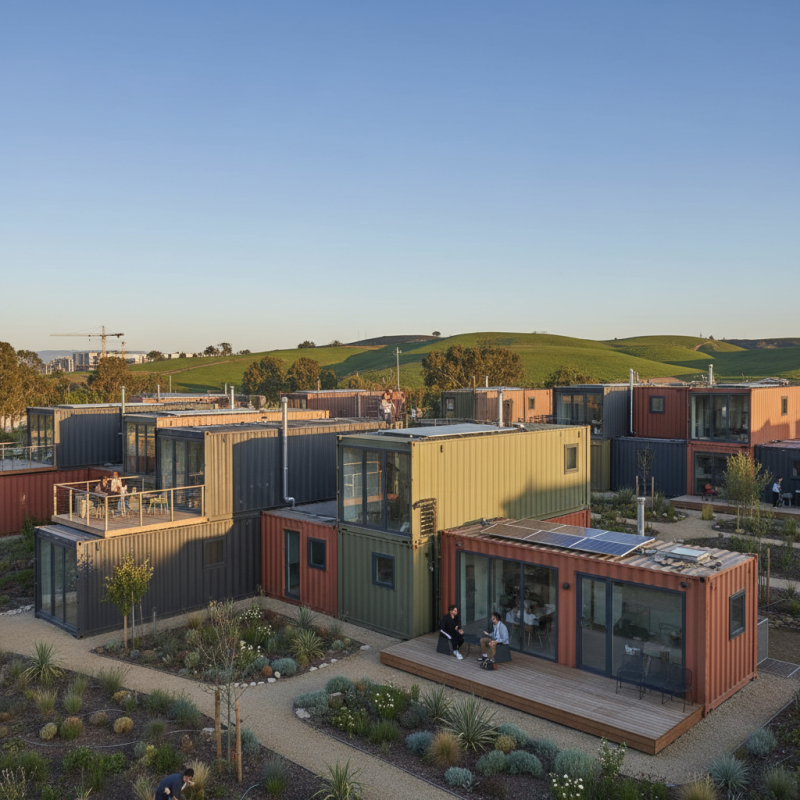
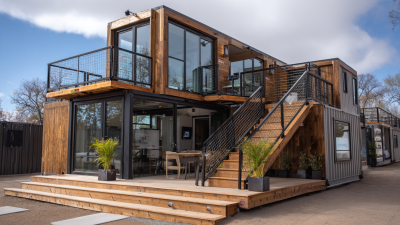
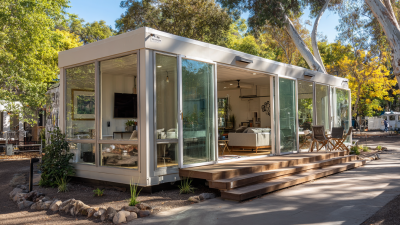
Prefab container homes are transforming the way we think about housing. They offer innovative, affordable solutions for various projects. With their unique designs, prefab container homes have gained popularity in recent years. They are not just trendy; they provide practical benefits that appeal to many.
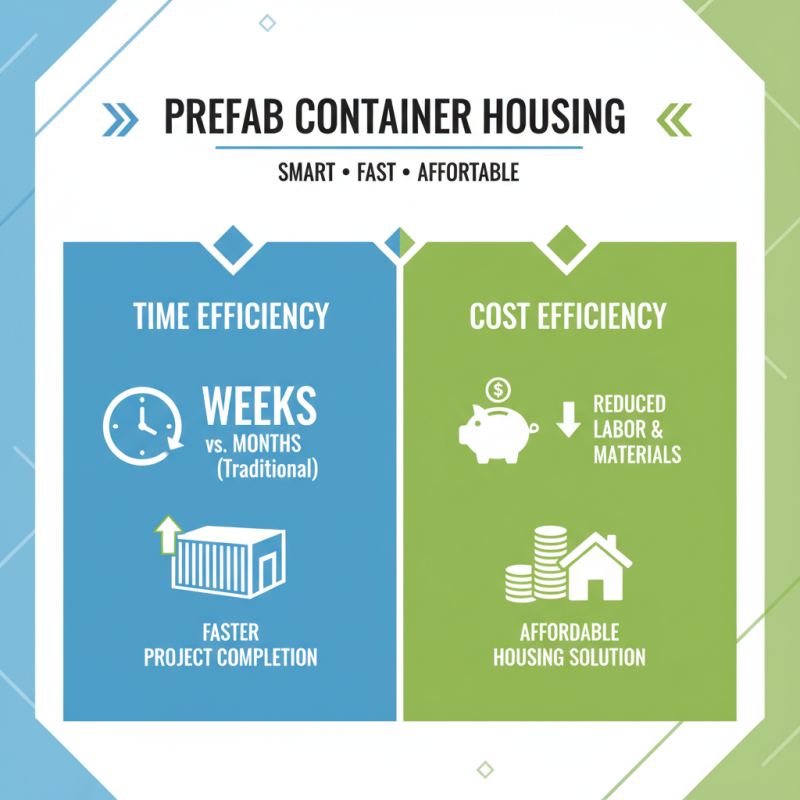
One of the main advantages is their rapid construction time. Traditional homes can take months or years to complete. In contrast, prefab container homes can be ready in weeks. This speed allows for more efficient project management. Additionally, they can be customized to fit individual needs, such as size and layout.
Another significant benefit is cost-effectiveness. Building with containers often reduces material waste. This leads to lower expenses, making housing more accessible. However, there can be challenges regarding zoning and permits. Understanding local regulations is crucial before starting a project. Despite these obstacles, the appeal of prefab container homes continues to grow.
Advantages of Prefab Container Homes in Modern Construction
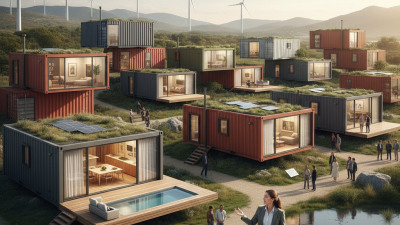
Prefab container homes are gaining traction in modern construction due to their unique advantages. One major benefit is their cost-effectiveness. They often require less labor and can significantly reduce material waste. This efficiency aligns with sustainable building practices. Most projects completed in a fraction of the time reflect how this model saves money and resources.
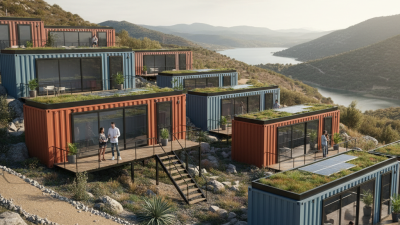
Another advantage is their flexibility. Container homes can be easily modified to fit various needs. Whether for residential, commercial, or temporary housing, these structures can adapt. They can be stacked or arranged in numerous configurations. However, limitations in design and space may require careful planning.
Durability is another key point. Shipping containers are designed to withstand harsh conditions. They offer excellent protection against pests and harsh weather. Yet, modifications might sometimes compromise structural integrity. It’s essential to assess the design thoroughly. The combination of cost savings, flexibility, and durability makes prefab container homes an attractive option for construction projects today.
Top 10 Benefits of Prefab Container Homes
The following chart illustrates the top advantages of prefab container homes, highlighting their appeal in modern construction.
Time and Cost Efficiency of Prefab Container Housing
Prefab container homes are gaining attention for their time and cost efficiency. These modular units can be constructed quickly. This speed is crucial for those on a tight schedule. Traditional homes can take months to build. In contrast, container homes can be operational in weeks. This means projects can be completed faster.
Cost savings are another significant factor. Building with containers often reduces material and labor costs. Even with customization, the overall expenditure is typically lower. Clients appreciate this when budgeting for their projects. However, an important consideration is the market for used containers. Prices can vary widely, so careful research is needed.
Not everything is perfect. Some may find zoning laws challenging. These regulations can impact where container homes are allowed. Additionally, insulation and energy efficiency must be thoughtfully planned. Not every container is suitable for every climate. These factors require reflection and planning to ensure the best outcomes. Seeking expert advice can guide you through these complexities.
Sustainability and Environmental Benefits of Container Homes
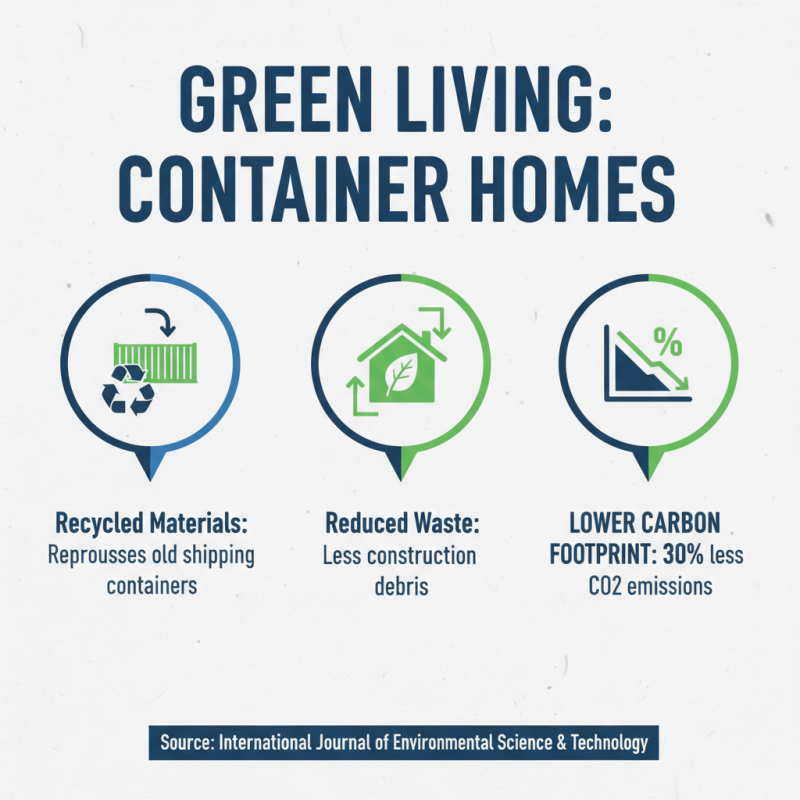
Container homes present a compelling solution for eco-conscious builders. These structures utilize recycled shipping containers, reducing the demand for new materials. According to a report from the International Journal of Environmental Science and Technology, adopting container homes can decrease carbon emissions by 30% compared to traditional construction methods. This statistic highlights the significant environmental advantages of prefab container homes.
Beyond emissions, container homes offer energy efficiency. They can be insulated with various materials, enhancing their thermal performance. The U.S. Department of Energy suggests that proper insulation can reduce energy use by up to 50%. This efficiency means lower utility bills and a smaller ecological footprint.
However, there are challenges to consider. In certain climates, container homes may require modifications to remain comfortable. Without careful planning, homeowners might face unexpected costs. Awareness of these potential issues is crucial for anyone considering prefab homes. Balancing aesthetics, functionality, and sustainability is essential in every project. The journey toward sustainable building is not always straightforward, but it is worth pursuing.
Design Flexibility and Customization Options for Container Houses
Prefab container homes offer remarkable design flexibility. This adaptability makes them an attractive option for various projects. According to a report by the World Bank, housing affordability is a pressing issue. Container homes provide a budget-friendly alternative. They can be tailored to meet individual needs with ease.
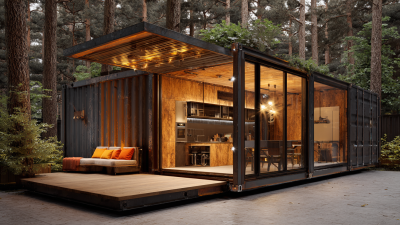
Customization options are abundant. You can modify layout, insulation, and aesthetics. Many designs allow for natural light and efficient space usage. Research shows that proper design can boost energy efficiency by up to 30%. There is a growing demand for eco-friendly options, and container homes fit this trend well.
However, challenges remain. Not every locality accommodates these structures easily. Zoning laws and building codes can complicate the process. Additionally, while the flexibility is appealing, it may lead to project delays. Achieving the perfect balance between customization and compliance requires thorough planning. Nonetheless, the potential for innovation in container home design is vast.
Top 10 Benefits of Prefab Container Homes for Your Next Project
Benefit
Description
Design Flexibility
Container homes can be assembled in various configurations and sizes to fit specific needs.
Sustainability
Using repurposed shipping containers reduces waste and promotes recycling.
Cost-Effectiveness
Container homes are generally less expensive due to lower material costs and quicker construction times.
Mobility
They can be easily transported to different locations, making them ideal for temporary housing or remote areas.
Durability
Designed to withstand harsh conditions at sea, they offer robust protection against weather elements.
Low Maintenance
Their steel structure requires less upkeep compared to traditional wood-framed houses.
Energy Efficiency
With proper insulation and design, container homes can greatly reduce energy consumption.
Quick Assembly
They can be constructed faster than traditional homes, reducing labor costs and time.
Customizability
Owners can easily customize interiors and exteriors to suit their personal style.
Innovative Aesthetics
They offer a modern and unique look that stands out in residential areas.
Quick Assembly and Mobility Features of Prefab Container Homes
Prefab container homes are gaining popularity due to their
quick assembly and mobility features. These homes can be set up in a week, with some reports
suggesting a timeline as short as 3-5 days.
This rapid turnaround saves time and labor costs, making them an attractive option for both
individual and commercial projects.
Moreover, the mobility of prefab container homes allows for ease of relocation. Studies indicate
that about 40% of project managers favor mobile housing
for temporary sites. This flexibility meets the rising demand in industries like construction
and disaster relief. A survey by the International Prefabricated Construction Association
revealed that nearly 70% of builders see mobility as a key advantage.
However, while these homes offer benefits, there are considerations to reflect on. The
structural integrity of container homes can vary based on their original use, which might
limit their potential. Additionally, insulation and energy efficiency
can sometimes fall short compared to traditional buildings. Addressing these challenges is
critical for maximizing the benefits of prefab container homes in various projects.