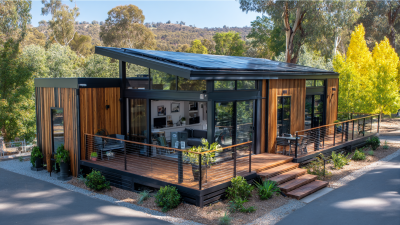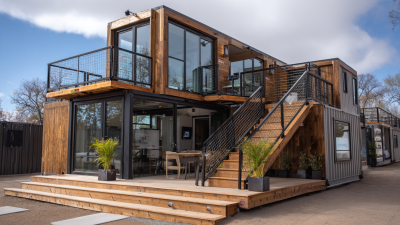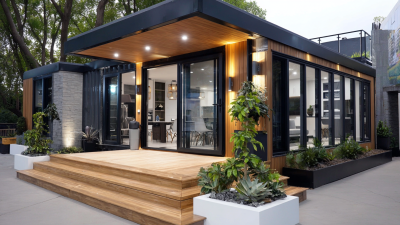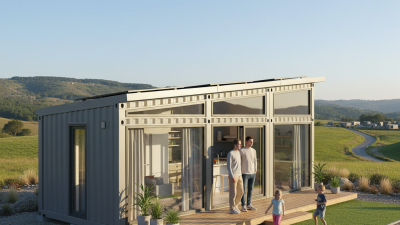
Top 10 Benefits of Prefabricated Container Houses for Buyers?
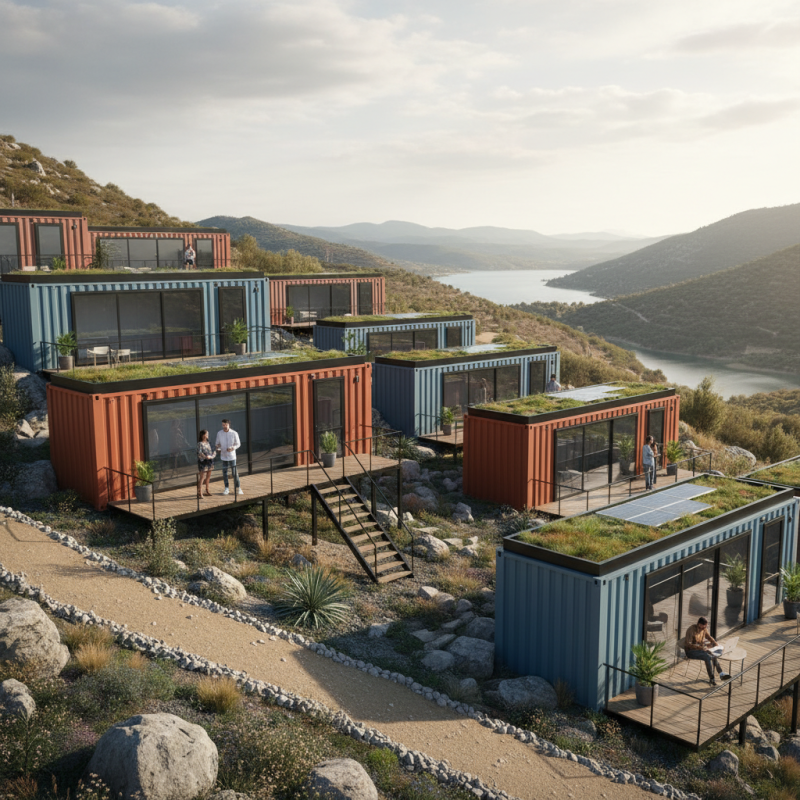
In recent years, the trend of living in a prefabricated container house has gained significant traction. Many buyers are drawn to this innovative housing solution due to its unique benefits. These houses are not just practical; they also offer flexibility and sustainability. For those looking to explore modern living options, a prefabricated container house presents an attractive alternative.
With their quick assembly and low cost, these homes appeal to a diverse range of consumers. A buyer can customize their space while remaining environmentally conscious. The design options are numerous, allowing for creativity and personal expression. However, it’s essential to consider local regulations and site requirements before committing to this type of housing.
Despite the advantages, not all experiences with prefabricated container houses are perfect. Some may encounter challenges like insulation or space limitations. Understanding these points can prevent unpleasant surprises. With thorough research and planning, buyers can enjoy the many rewards of living in a prefabricated container house.
Understanding Prefabricated Container Houses: An Overview
Prefabricated container houses offer innovative housing solutions that address various concerns in today's real estate market. These structures are built using repurposed shipping containers, which contribute to a more sustainable construction approach. According to a recent report by the Modular Building Institute, the modular construction market is expected to grow by 6.5% annually. This growth reflects the rising interest in efficient and eco-friendly housing options.
One notable advantage of container homes is their cost-effectiveness. Reports indicate that building with containers can reduce construction costs by up to 40%. This significant saving makes them an attractive option for many buyers. However, not all designs maximize space effectively. For some, the compact nature can feel restrictive. Buyers must thoughtfully consider their layout options to avoid dissatisfaction.
Durability is another key aspect. Container houses are designed to withstand harsh environmental conditions. They are resistant to pests and decay, making them long-lasting investment choices. Yet, proper insulation is essential to ensure comfort in extreme temperatures. Oversights in this area can lead to higher energy costs. In conclusion, while prefabricated container houses can present remarkable benefits, prospective buyers must remain vigilant and conduct thorough research to address potential shortcomings.
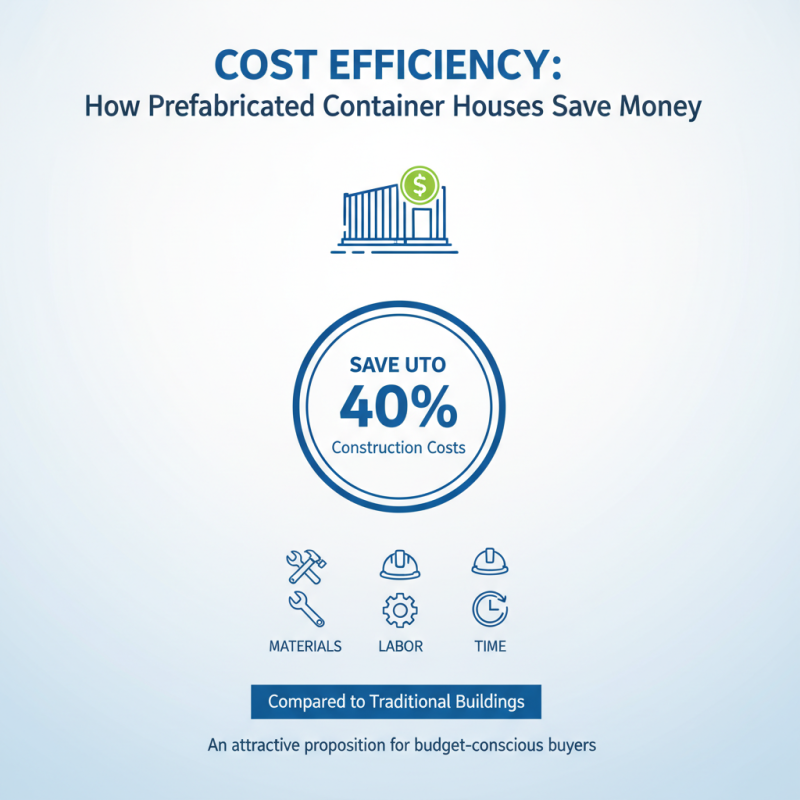
Cost Efficiency: How Prefabricated Container Houses Save Money
Prefabricated container houses are gaining recognition for their cost efficiency. According to industry reports, these structures can save buyers up to 40% on construction costs compared to traditional buildings. Save on materials, labor, and time. It’s an attractive proposition for budget-conscious buyers.
Tip: Consider customizing your container house design. Tailor it to your needs, which could save more money. For instance, opting for fewer windows can reduce costs. However, this may impact natural light inside.
For many, the construction timeline is also a key factor. Prefabricated units can be ready much faster than conventional homes. Reports indicate that on-site assembly can take only days. This rapid turnaround can lead to quicker return on investments. Yet, remember that while containers can be cheaper upfront, long-term durability should be assessed.
Tip: Research insulation options. Proper insulation can save on energy costs in the long run. Choose materials wisely to balance upfront costs and future savings. A little extra effort now might yield significant savings later.
Flexibility and Customization: Tailoring Container Homes to Individual Needs
Prefabricated container houses offer remarkable flexibility and customization options. Buyers can modify layouts to fit their unique needs. Whether you desire an open-plan design or individual rooms, the choice is yours. Container homes can incorporate various materials and finishes, allowing for personal expression and style. For instance, you might opt for large windows to invite natural light, or select eco-friendly insulation materials.
Customization also extends to functionality. Some buyers may want a home office or a small studio space. Others might prefer a cozy retreat nestled in a garden. Each container can be reconfigured to maximize space and comfort. This adaptability can lead to potential challenges. You might wrestle with how to balance aesthetic choices and budget constraints.
Moreover, the modular nature of container homes means they can expand as your needs grow. It’s possible to add more units down the line. However, if you don’t plan carefully, this could result in a disjointed feel. Finding the right balance between design and usability requires thoughtful consideration. Emphasizing personal needs is crucial, yet it can often lead to second-guessing your decisions. Customization is a double-edged sword; it provides endless possibilities but may also create confusion.
Sustainability: Eco-Friendly Advantages of Container Housing Solutions
Container houses are gaining popularity for their eco-friendly benefits. According to a report by the World Green Building Council, buildings are responsible for 39% of global carbon emissions. Prefabricated container homes use recycled shipping containers, minimizing waste. This reuses existing materials and cuts down on the need for new resources.
These homes can be energy-efficient. An Energy Star report states that energy-efficient buildings can reduce energy consumption by up to 30%. Container houses are often designed for passive solar heating. This design feature uses natural sunlight to keep homes warm. Insulation materials can also be eco-friendly, reducing the overall carbon footprint.
But sustainability isn't without challenges. The manufacturing process of some container homes may consume energy and produce emissions. Additionally, local zoning laws can hinder the placement of container homes. These hurdles remind us of the need for careful planning in sustainable housing. Nevertheless, the benefits of prefabricated container houses make them a worthy consideration for eco-conscious buyers.
Top 10 Benefits of Prefabricated Container Houses for Buyers
This chart illustrates the various eco-friendly advantages of prefabricated container housing solutions that attract buyers. The benefits are categorized based on their significance.
Rapid Construction: The Speed Benefits of Prefabricated Structures
Rapid construction is one of the most significant advantages of prefabricated container houses. These structures can often be assembled in a fraction of the time required for traditional homes. According to a report by McKinsey, modular construction can accelerate project timelines by up to 50%. This speed reduces labor costs and minimizes site disruption, making it a preferred choice for many buyers.
Additionally, prefabricated container homes are built in a controlled environment. This aspect results in less waste and fewer delays due to weather conditions. Reportedly, off-site construction can reduce waste by up to 20%. This efficiency not only benefits buyers but also supports sustainable building practices.
**Tips:** Consider the assembly location. The site must be accessible to ensure quick delivery and setup. Research local regulations that might affect construction speed. Be aware that unforeseen issues like transportation delays can still occur. Always have a backup plan when relying on fast construction methods.