logo

Top 10 Prefabricated Container House Designs in China for Modern Living?

In recent years, the trend of prefabricated container houses has surged in China. These innovative structures provide sustainable and affordable living solutions. Expert architect Li Wei emphasizes, "Prefabricated container houses represent the future of modern living." This highlights the growing acceptance and practicality of such designs.

These homes cleverly transform shipping containers into stylish living spaces. They combine functionality and aesthetic appeal. However, some designs may lack sufficient insulation and space for larger families. Reflecting on this, it's clear that while they offer versatility, there is room for improvement in design efficiency.

As we explore the top 10 prefabricated container house designs in China, we will observe their unique features. Many showcase eco-friendly materials and smart layouts. Each option has its strengths, yet potential buyers should consider their needs. Balancing creativity and practicality remains essential in this evolving industry.

Top 10 Prefabricated Container House Designs in China for Modern Living?

Overview of Prefabricated Container Houses in Modern China

Prefabricated container houses have gained traction in modern China due to their versatility and efficiency. According to a recent industry report, the market for these homes is expected to grow by 15% annually. This growth stems from an increasing demand for sustainable living solutions. Many urban residents seek affordable housing options that minimize land use. Prefabricated container houses offer a unique solution, blending eco-friendliness with stylish design.

In China's bustling cities, these containers are often repurposed into cozy homes or pop-up cafés. They are durable and can withstand various weather conditions. Additionally, their modular nature allows for easy customization. However, a few challenges persist. The insulation of these structures may not meet the expectations of some residents.

Tips: Consider the local climate when designing a container house. Proper ventilation is key. Be aware of zoning regulations in your area, as they may affect where these homes can be placed. Customization is essential, but it's important to balance aesthetics with functionality for optimal living space.

Key Design Features of Contemporary Container Homes

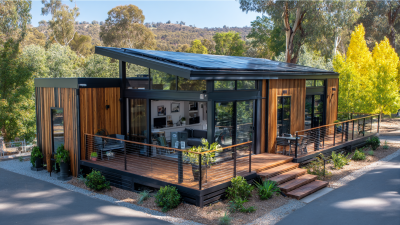
Contemporary container homes in China are redefining modern living with innovative designs. These homes often prioritize sustainability while maintaining aesthetic appeal. Many designs incorporate green materials and energy-efficient systems. Solar panels are a common feature, optimizing energy usage. Recycled materials frequently enhance the durability of these unique structures.

Flexibility stands out as a key design trait. Many container homes can be customized for various lifestyles. Open floor plans enable homeowners to tailor spaces to their needs—working at home, leisure, or hosting guests. However, space constraints can challenge some designs, requiring creative solutions to maximize functionality.

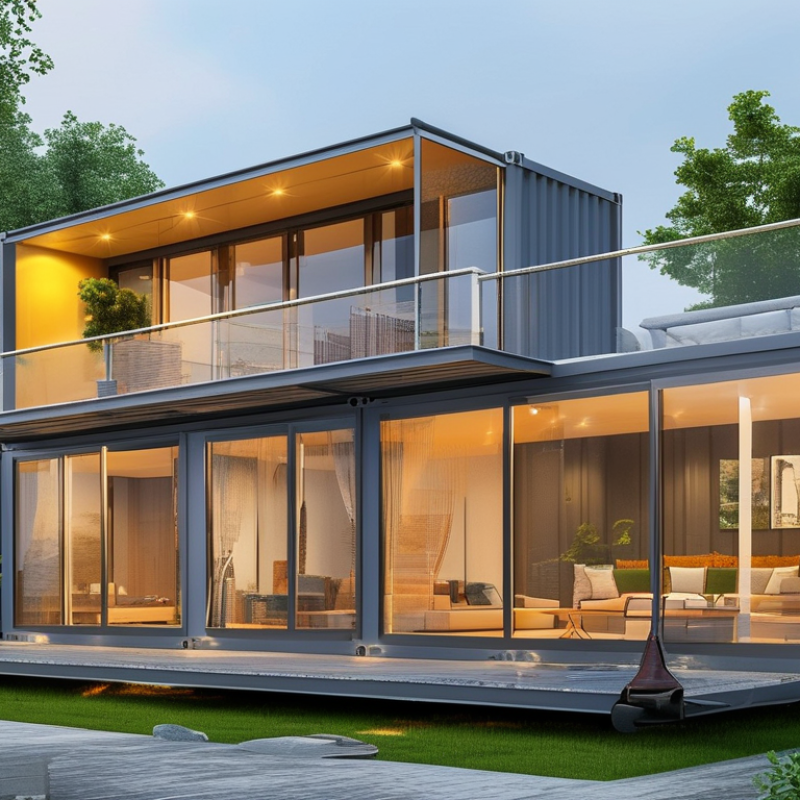
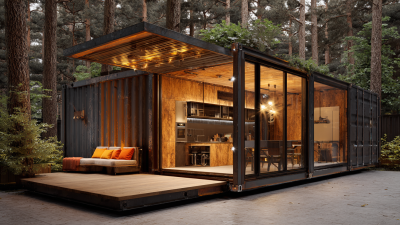
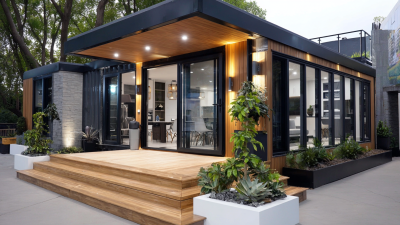
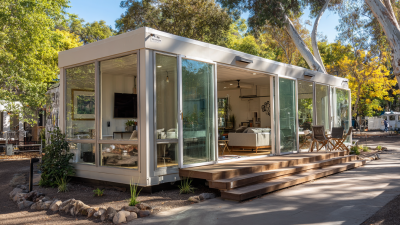
Natural light plays a crucial role in enhancing comfort. Large windows and sliding glass doors are essential in contemporary designs. These features help bridge indoor and outdoor spaces. Yet, potential homeowners must consider insulation and temperature control for comfort. Embracing these design elements can lead to sustainable and enjoyable living experiences.

Top Ten Innovative Prefabricated Container House Designs

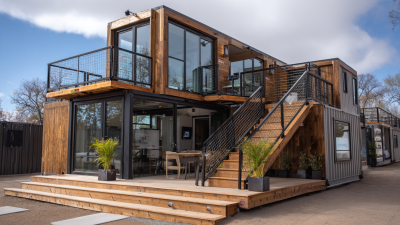
Innovative prefabricated container house designs are revolutionizing modern living in China. These homes provide a unique approach to sustainable architecture. The modular structure allows for easy transport and quick assembly. Container homes can adapt to various landscapes and climates, making them versatile options. They often feature large windows that blur the line between indoors and outdoors.

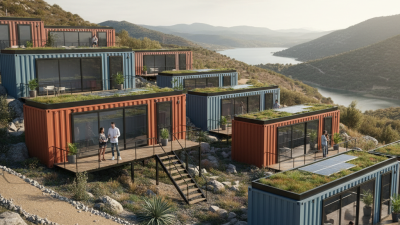
One striking design incorporates green roofs and solar panels. This not only enhances aesthetics but also promotes energy efficiency. Another intriguing option is multi-story container homes. Built from stacked containers, they maximize living space while minimizing the ecological footprint. However, challenges such as insulation and plumbing need careful consideration.

While many designs focus on aesthetics, functionality should not be overlooked. Containers can sometimes feel cramped. Tackling this requires innovative interior solutions, like open-concept layouts or convertible furniture. These factors highlight the importance of thoughtful design in creating livable spaces. The future of container homes relies on balancing creativity with practicality.

Sustainability and Efficiency in Container House Construction

The demand for sustainable living solutions drives innovation in container house construction. Prefabricated container homes stand out for their efficiency and minimal environmental impact. According to a recent industry report, 30% of construction waste can be reduced through modular designs. These homes utilize recycled materials, which promotes resource conservation.

Container houses often implement energy-efficient designs. Many use solar panels to harness renewable energy. This adaptation helps reduce homeowners' electricity bills significantly. Furthermore, container homes are quicker to assemble than traditional houses. Construction time can be cut by up to 50%, leading to faster occupancy.

However, challenges remain. Insulation and temperature regulation are critical concerns. If improperly managed, these homes may become uncomfortable in extreme weather. Furthermore, while container homes may be more affordable upfront, long-term maintenance needs can affect overall costs. Addressing these aspects remains crucial for sustainable living.

Future Trends in Prefabricated Container Living in China

The future of prefabricated container living in China is exciting and full of possibilities. Innovative designs are emerging, reflecting a blend of functionality and modern aesthetics. These homes often use sustainable materials, leading to reduced environmental impact. The unique shapes and layouts can accommodate various lifestyles while offering comfort.

As urbanization continues, the demand for affordable housing becomes critical. Container homes provide a viable solution, often built faster than traditional houses. However, challenges remain, such as insulation and space optimization. Some designs struggle to balance aesthetics with practicality. Emphasizing smart technology integration can enhance convenience but also complicate installation.

Designers are increasingly focused on creating multifunctional spaces. Flexibility in layouts allows homeowners to adapt to their changing needs. Yet, some may find this approach lacks a sense of permanence. It is essential to reflect on how these homes can maintain a feeling of stability while embracing modernity. The journey of container living is evolving, with potential setbacks serving as valuable lessons for the future.