logo

Why Are the Best Prefab Homes Worth Buying?

Buying a home is a major decision, and factory construction does not remove the need for careful judgment. The best prefab homes can offer controlled workmanship, shorter site schedules, and efficient use of materials. They may also reduce weather-related delays during construction. However, “prefab” is not automatically synonymous with quality, affordability, or sustainability.

Michelle Kaufmann, an architect and recognized prefab housing pioneer, once said, “Prefab is not a style; it’s a process.” Her observation remains useful because buyers should evaluate how a home is designed, built, transported, and assembled. A bright showroom can hide practical concerns. Look closely at wall insulation, window specifications, roof durability, delivery costs, and the contractor’s installation record. Ask to see completed projects, not only digital renderings.

The best prefab homes should fit real lives, not just attractive brochures. A family may need a mudroom for wet boots, extra storage near the kitchen, or stronger flooring for pets. Local planning rules and foundation requirements also matter. These details can change the final budget significantly.

There is no perfect package.

Some buyers may discover that a custom-built home suits their land better. Others may prefer a smaller modular design with predictable factory standards. Reliable research means comparing total costs, warranties, maintenance needs, and independent inspections. It also means admitting that prefab construction has limits. This guide examines those trade-offs honestly, helping readers decide whether the best prefab homes offer genuine value for their circumstances.

Why Are the Best Prefab Homes Worth Buying?

What Defines a Prefab Home and How Is It Built?

Why Are the Best Prefab Homes Worth Buying?

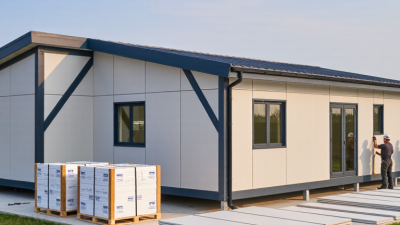
A prefab home is built partly or entirely in a controlled factory environment. Workers assemble wall panels, floor sections, or complete modules before delivery. This method improves measurement accuracy and reduces weather-related delays. It also limits material exposure to rain, dust, and changing temperatures. However, factory production does not remove every construction risk. Design mistakes can still become expensive.

The process begins with architectural plans, structural calculations, and local approval requirements. The factory then cuts materials, installs insulation, and prepares plumbing or electrical routes. Meanwhile, the building site needs foundations, utility connections, drainage, and access for transport vehicles. Cranes may place finished modules within hours. Skilled inspectors should still check joints, seals, wiring, and moisture protection. A fast installation is not automatically a good one.

Tips: Ask for the construction specification, warranty terms, energy performance data, and inspection schedule. Visit the factory if possible. Check how the home handles local wind, snow, heat, and humidity. Leave room in the budget for site work and transport. Design flexibility matters too; unusual layouts may increase costs or create delays. Prefab homes can offer reliable quality and shorter timelines, but careful planning remains essential. Inspect everything.

Which Benefits Make Prefab Homes Worth Buying?

Prefab homes are worth buying when their practical benefits match your site, budget, and lifestyle. McKinsey & Company’s 2019 report estimates that modular construction can reduce project timelines by 20–50%. Faster assembly may mean fewer months of rent, weather delays, and exposed materials. Factory production also creates repeatable quality checks. Workers install insulation, wiring, and fittings under controlled conditions, rather than beside wind and rain.

Cost is another advantage, but the headline numbers need caution. McKinsey estimates potential construction-cost reductions of more than 20% in suitable projects. However, transportation, foundation work, permits, and difficult land can change the final price. The U.S. Environmental Protection Agency reported 600 million tons of construction and demolition debris in 2018. Factory cutting can reduce offcuts, although waste does not disappear completely. Energy performance may also improve through tighter joints and consistent insulation. Still, poor site installation can weaken those gains. A cheaper shell is not automatically a better home.

Tips: Request a fixed-scope quotation, energy-efficiency specifications, moisture-control details, and a clear delivery schedule. Compare the complete project cost, not the factory price alone. Ask who corrects defects after installation. I would also inspect a finished home before signing. These steps feel slower, but they expose assumptions that attractive brochures often hide.

How Do Prefab Homes Compare with Traditional Houses?

Prefab homes often compare favorably with traditional houses because much of their construction happens indoors. Walls, floors, and roof sections are built under controlled conditions. Rain does not soak the framing. Materials are stored more safely. This can reduce delays caused by wet weather and crowded building sites.

Quality control can also be more consistent. Workers repeat measured processes, while inspectors can check wiring, insulation, and structural connections before delivery. Still, factory production does not remove every risk. A poor design remains poor after careful manufacturing. Transport may damage panels, and the site foundation must be prepared accurately. One uneven corner can create expensive fitting problems.

Traditional houses offer greater flexibility during construction. Owners can change room sizes, window positions, or finishes while work continues. Local builders may also understand the soil, climate, and planning requirements better. However, outdoor construction exposes materials to weather, and project schedules can shift quickly. Costs may change when labor or material prices rise.

Prefab homes can be faster to occupy, but preparation still takes time. Buyers should compare insulation values, structural standards, delivery fees, maintenance duties, and inspection records. A lower purchase price may hide foundation, utility, or transport expenses. I would ask for detailed drawings and independent inspections. That extra caution matters. A beautiful model home is not proof of durable construction. There is still room for mistakes, especially when buyers focus only on speed and appearance.

What Costs and Factors Should Buyers Evaluate?

Why Are the Best Prefab Homes Worth Buying?

The advertised price is only one part of a prefab home’s real cost. Buyers should request an itemized quote before comparing designs. Include the foundation, soil testing, delivery, crane rental, permits, utility connections, and interior finishes. A remote site can add thousands in transport and preparation costs. Small details matter.

Energy performance deserves careful attention. Ask about insulation levels, window ratings, ventilation, heating systems, and expected maintenance. A lower monthly energy bill may justify a higher purchase price, but request documented performance data. Do not rely on attractive claims alone. Local building codes also affect design, approvals, and installation schedules. An independent inspector can identify gaps before payment milestones are reached.

Financing can be less predictable than expected. Some lenders treat factory-built homes differently from conventional houses, especially before the modules reach the property. Buyers should confirm loan terms, deposit requirements, insurance, and warranty coverage early. Check what the warranty excludes, too. Weather damage, poor site drainage, or owner-installed changes may not be covered.

I once underestimated the cost of driveway access and temporary power. It was an avoidable mistake. A detailed site visit could have exposed it sooner. Buyers should also examine the builder’s completion record, financial stability, references, and after-sales response. Resale value may depend on local demand, transport quality, permitted foundations, and neighborhood compatibility. The best value is not always the lowest quote. It is the home whose total cost, performance, and risks remain understandable.

How Can Buyers Choose a Reliable Prefab Home Manufacturer?

The best prefab homes are worth buying when the manufacturer earns your confidence before construction begins. A reliable company explains its design limits, materials, production process, and installation requirements in plain language. Vague promises should concern you. Ask for proof of relevant certifications, structural testing, energy ratings, and local building-code compliance.

Visit the factory if possible. Watch how workers seal wall joints, protect insulation, and store materials away from rain. Ask who checks measurements before panels leave the facility. A professional manufacturer should provide drawings, a detailed specification sheet, and a realistic delivery schedule. Request recent customer references, then ask those homeowners about defects, communication, and repair response times. Small details matter. A warped door or poorly sealed window can become expensive later.

Review the contract with an independent building professional. It should identify transport costs, foundation responsibilities, permits, utility connections, payment stages, warranty coverage, and delay procedures. Do not rely on verbal assurances. Ask harder questions. A dependable manufacturer welcomes reasonable scrutiny, although no factory is perfect. Even experienced teams can miss a detail, so confirm how mistakes are documented and corrected. Compare several quotations carefully; the cheapest option may exclude insulation upgrades, site preparation, or after-sales service. Buyers should also examine the manufacturer’s financial stability and maintenance support, because a beautiful home is less valuable when replacement parts or technical help disappear after installation.

Why Are the Best Prefab Homes Worth Buying? — How Can Buyers Choose a Reliable Prefab Home Manufacturer?

Evaluation Dimension Practical Benchmark or Data Point What Buyers Should Verify Importance
Building-Code Compliance The completed home must comply with the building codes and permit requirements applicable to its installation location. Ask whether the design has been reviewed for the target site, including structural loads, fire safety, electrical systems, plumbing, energy requirements, and local zoning rules. High
Structural Engineering Engineering should account for local wind, snow, seismic, soil, foundation, and transport conditions. Request stamped structural drawings or equivalent engineering documents prepared for the project location rather than relying only on a standard floor plan. High
Factory Quality Control Factory production can improve consistency because materials and assemblies are made in a controlled environment with repeatable inspection steps. Review the manufacturer’s inspection checklist, material receiving procedures, moisture-control practices, assembly tolerances, and records of corrective actions. High
Thermal Performance Energy performance depends on insulation, air sealing, windows, doors, HVAC equipment, and local climate requirements—not on the word “prefab” alone. Compare the proposed wall, roof, floor, window, and HVAC specifications with the applicable energy code or project energy target. Confirm how thermal bridges and air leakage are addressed. High
Moisture Protection Water intrusion can result from poor flashing, drainage, roof detailing, site grading, or improper installation. Check the roof and wall weather-resistive details, window flashing method, drainage plan, foundation waterproofing, site-storage rules, and procedures for protecting modules during transport and installation. High
Factory-to-Site Scope The purchase price may exclude foundation work, utility connections, transport, crane placement, permits, site preparation, taxes, and interior or exterior finishes. Require an itemized inclusions-and-exclusions schedule. Confirm who is responsible for foundations, roads, utility connections, inspections, delivery, lifting, final connections, and cleanup. High
Cost Transparency A lower factory price does not necessarily equal a lower completed project cost. Compare the total installed cost, including design, permits, site work, foundation, transportation, assembly, utility work, finishes, contingency, and applicable taxes. High
Schedule Management Off-site production can reduce weather-related delays, but permitting, site preparation, transportation, and utility work can still affect the schedule. Request a written schedule with design approval, permit submission, factory start, completion, delivery, installation, inspections, and handover milestones. Medium
Transportation and Installation Factory-built components must be designed for lifting, transport loads, route limitations, and site access. Confirm maximum component dimensions and weights, required access-road width, turning space, crane requirements, weather restrictions, temporary storage rules, and installation tolerances. High
Materials and Specifications Durability depends on the actual grades, thicknesses, ratings, and installation methods of the selected materials. Obtain a complete specification schedule covering structural materials, insulation, membranes, windows, roofing, cladding, plumbing, electrical equipment, fixtures, and finishes. High
Warranty Coverage Warranty terms should identify coverage periods, exclusions, response times, and the party responsible for each building system. Read the warranty before signing. Check coverage for structural elements, water penetration, windows, appliances, mechanical systems, finishes, transport damage, and installation defects. High
After-Sales Support A reliable manufacturer should provide a defined process for defect reporting, inspection, repair, replacement, and escalation. Ask for the service procedure, expected response times, spare-parts policy, local contractor network, and contact responsibilities after final installation. Medium
Completed-Project References Recent completed projects can provide evidence of installation quality, schedule performance, and customer support. Request permission to inspect comparable completed homes and speak with recent buyers about actual costs, defects, communication, delivery, and warranty resolution. High
Contract Protection A complete contract should define deliverables, payment stages, change orders, delays, cancellations, acceptance criteria, and dispute procedures. Ensure drawings, specifications, price, schedule, responsibilities, inspection stages, retention terms, warranty obligations, and change-order pricing are attached to the contract. High
Payment Structure Milestone-based payments provide clearer links between payment and completed work than a large undocumented advance payment. Tie payments to verifiable milestones such as approved design, factory completion, delivery, installation, inspection, and correction of documented defects. High
Adaptability to the Site A standard model may require modifications for site orientation, climate, foundation conditions, utilities, access, and local regulations. Confirm the permitted customization range, redesign fees, structural implications, approval process, and whether requested changes affect the warranty or schedule. Medium
Independent Inspection An independent inspection can identify defects that may not be visible to a buyer during a factory tour or final handover. Consider inspections at key stages: pre-production documents, factory completion, pre-shipment condition, foundation readiness, installation, final connections, and handover. High
Buyer’s decision rule: select the manufacturer that can document code compliance, quality control, complete installed costs, realistic scheduling, transparent contract terms, and dependable post-installation support.