logo

Top 10 Best Movable Homes for Global Buyers in 2026?

In recent years, the popularity of movable homes has surged. These homes offer flexibility and affordability to global buyers. According to industry expert Sarah Thompson, “Movable homes redefine living by blending comfort with mobility.” Her insights reflect the growing interest in this innovative housing solution.

As the year 2026 approaches, the demand for diverse movable homes continues to rise. Many buyers seek unique designs and sustainable features. However, not all options are ideal. Some may lack durability or effective insulation. It’s essential to research and assess each model carefully.

Movable homes can provide a sense of adventure and community. Still, they often require compromises. Buyers should understand local regulations and transportation logistics. Acquiring a movable home may not be as easy as it seems. Each choice comes with its own set of challenges and opportunities. This list will explore the top ten movable homes that stand out for buyers worldwide.

Top 10 Best Movable Homes for Global Buyers in 2026?

Overview of Movable Homes: Trends and Benefits for Global Buyers

Movable homes have gained traction worldwide in recent years. These homes offer flexibility and affordable living options. Global buyers are particularly drawn to their unique benefits. Mobility allows individuals to relocate easily without the hassle of traditional real estate transactions.

Sustainability is a crucial trend in the movable home market. Many designs emphasize eco-friendly materials and energy-efficient solutions. This aligns with the increasing demand for greener living options. However, not all movable homes meet these standards. Buyers should research the environmental impact of materials used.

Ultimately, investing in a movable home requires careful consideration. The appeal lies in adaptability, but potential drawbacks remain. These homes may have limited space and zoning restrictions. Buyers must evaluate their lifestyles and needs before making a decision. The right choice can lead to a simpler and more fulfilling life.

Key Features to Consider When Choosing a Movable Home

When selecting a movable home, several key features demand your attention. Space efficiency plays a crucial role. According to the Tiny House Society, 68% of owners report a significant reduction in their living costs. This statistic emphasizes the importance of maximizing every square foot. Open floor plans create an illusion of space. Consider multi-functional furniture to enhance usability.


Another aspect to weigh is mobility. In 2022, 22% of movable home owners relocated at least once. This highlights the need for sturdy, reliable designs that endure travel. A well-built frame ensures homes withstand road bumps and weather changes. Lightweight materials can ease towing, yet they must also offer durability.


Don’t overlook sustainability. The demand for eco-friendly features is on the rise. Reports indicate that 84% of buyers prioritize energy-efficient homes. Solar panels and rainwater collection systems can significantly lower utility costs.


Tip: Always check local regulations. Some areas have specific guidelines for movable homes, which can affect placement and permits. Consider your lifestyle needs as well. Picking the right size and design will reflect your personal preferences, avoiding the trap of over-complication. Reducing clutter can lead to a more pleasant living environment.

Top 10 Movable Homes of 2026: Innovations and Designs

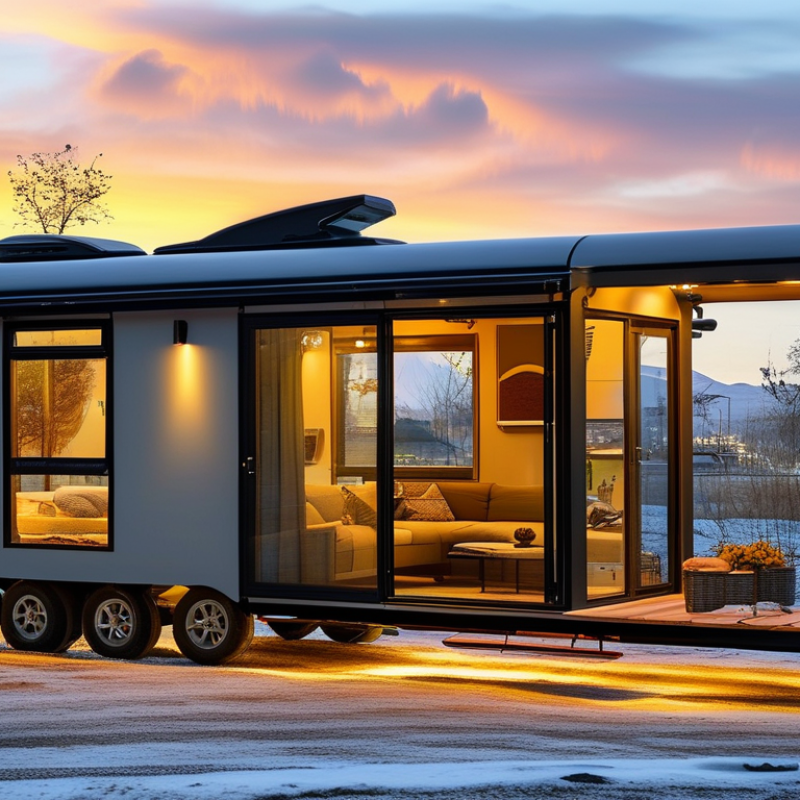
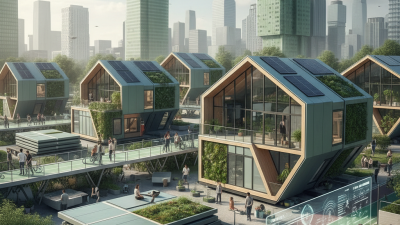
The landscape of movable homes in 2026 is set to transform with innovative designs. These homes are not just about mobility; they embody sustainability and functionality. Expect modular units that can expand or contract based on your needs. Some designs feature solar panels, enhancing energy efficiency while minimizing environmental impact.

Envision a tiny home that can adapt to different terrains. It could have a retractable deck, providing outdoor space when parked. Interiors may use smart technology for climate control and energy management. Compact kitchens and multipurpose furniture will maximize space without sacrificing comfort.

However, as creativity flourishes, challenges persist. Materials used must withstand various climates while remaining lightweight. The demand for affordable options may lead to compromises in quality. As we embrace these homes, we must reflect on long-term living in such confined spaces. Comfort should not come at the cost of durability or health.

Top 10 Movable Homes of 2026: Innovations and Designs

Model Size (sq ft) Price (USD) Key Features Eco-Friendly Rating
EcoNest 400 $75,000 Solar Panels, Recycled Materials A+
UrbanFloat 350 $68,000 Rainwater Harvesting, Smart Tech A
NaturePod 450 $85,000 Biophilic Design, Natural Insulation A++
CompactLuxury 300 $90,000 High-End Finishes, Smart Home Features B+
TravelLite 250 $52,000 Lightweight, Easily Transportable B
RusticCheer 500 $70,000 Sustainable Wood, Spacious Layout A-
ModularHome 600 $120,000 Modular Design, Customizable A++
Skyhome 550 $95,000 Vertical Gardens, Energy Efficient A++
FamilyNest 700 $130,000 Family-Friendly Design, Multiple Bedrooms B+
CompactEco 350 $60,000 Small Footprint, Energy Efficient A

Comparative Analysis of Pricing for Movable Homes Worldwide

The demand for movable homes is surging globally. According to a recent report by Statista, the market for movable homes is projected to reach $75 billion by 2026. This growth is driven by a combination of affordability and flexibility. Buyers are increasingly seeking alternatives to traditional housing. Movable homes offer unique advantages, especially for those looking to downsize or embrace minimalist living.

Pricing varies widely across regions. In North America, the average price of a movable home is around $60,000. Meanwhile, European buyers may find options ranging from €30,000 to €100,000. Factors influencing these prices include design, materials, and local regulations. For instance, mobile units in Scandinavia often come with premium insulation, pushing costs higher. On the other hand, some markets in Asia offer budget versions, starting as low as $15,000, reflecting different economic realities. Understanding these discrepancies is crucial for global buyers.

Despite the enthusiasm, challenges remain. Quality control can vary significantly. Not all manufacturers adhere to high standards. Some homes may face issues with durability or water resistance. Buyers should conduct thorough research and consider expert reviews. Proper inspections can help mitigate risks associated with lower-priced options. The movable home market is rapidly evolving, making it essential for buyers to stay informed.

Top 10 Best Movable Homes for Global Buyers in 2026

This chart presents a comparative analysis of the average pricing for movable homes across different regions in 2026. The data reflects estimated costs that potential buyers may encounter in various global markets.

Sustainability Practices in Movable Home Construction and Design

Movable homes are gaining popularity thanks to their sustainable design practices. As more buyers seek eco-friendly options, the focus on construction methods is crucial. Reports suggest that around 40% of carbon emissions come from residential construction. Thus, builders are prioritizing renewable materials and energy-efficient designs. These methods can reduce waste and energy consumption significantly.

Using alternative materials like bamboo and recycled steel can minimize environmental impact. Additionally, solar panels and rainwater harvesting systems are becoming standard. Recent data indicates that homes equipped with these features can reduce energy costs by over 50%. However, achieving sustainability still presents challenges. Many builders struggle with sourcing sustainable materials locally and balancing cost-efficiency.

Tips: When selecting a movable home, look for builders with green certifications. Do thorough research on the materials used in construction. Engage with communities that prioritize sustainability. Seek out options that align with eco-friendly practices. Sustainable living is a journey that requires continuous learning and adaptation.