Container homes have moved from experimental projects into a visible part of the global housing market. Buyers can now find compact studios, family residences, mobile units, and luxury designs built from recycled steel boxes. Yet appearance can mislead. A striking home may still require expensive insulation, foundation work, plumbing, and transport.
Professor Robert Kronenburg, a respected authority on portable architecture, explains, “Portable architecture is architecture that can be moved from one place to another.” This idea helps frame our selection of the Top 10 Container Homes for Sale Worldwide. These properties are not judged by photographs alone. Their construction quality, climate performance, certification, delivery terms, and after-sales support also matter.
Some models use one container. Others combine several units around bright courtyards, shaded decks, or full-height windows. In colder regions, thicker insulation and controlled ventilation become essential. In hot climates, roof shading and cross-breezes can make daily life more comfortable. Small details matter.
Not every container home is automatically affordable, sustainable, or easy to relocate. That assumption deserves careful review. Used containers may contain corrosion, chemical residues, or structural damage. Local planning rules can also change the final cost and timeline. Our overview therefore balances visual appeal with practical evidence, while acknowledging that product information and prices can change. Readers should confirm specifications with manufacturers, qualified inspectors, and local professionals before purchasing. These homes can be innovative. They can also be surprisingly demanding.
What Defines a Container Home and Why Buyers Choose One
Top 10 Container Homes for Sale Worldwide
What Defines a Container Home and Why Buyers Choose One
A container home begins as a steel intermodal unit, modified for residential use. It is not simply a metal box with windows. Builders cut openings, reinforce walls, add insulation, install wiring, and create safe plumbing systems. Professional conversion should also address moisture, ventilation, fire protection, and structural stability. These details separate a dependable home from a visually attractive project.
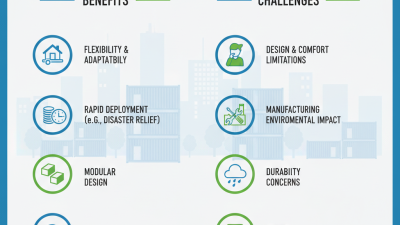
Buyers often choose container homes for compact living, shorter construction periods, and flexible layouts. Steel can provide strength during transport and daily use. The modular shape may also reduce material waste. Yet comfort depends heavily on climate planning. Poor insulation can create condensation, heat, or uncomfortable noise. The industrial appearance is appealing, but it may feel cold without thoughtful lighting and natural textures. I would not call every container home affordable. Delivery, land preparation, utilities, and permits can change the final price considerably.
Tips: Request a detailed inspection report and confirm the unit’s previous use. Ask how the steel was treated and whether insulation suits your climate. Review drawings with a qualified local professional before purchase. Check transport access, foundation requirements, drainage, and utility connections. Rules differ widely between regions. A home that meets requirements in one country may need major changes elsewhere. Also inspect sample interiors in person, if possible. Photos can hide narrow spaces, low ceilings, and awkward door placement.
Top 10 Container Homes for Sale Worldwide? — What Defines a Container Home and Why Buyers Choose One
Container homes are residential spaces converted from ISO shipping containers. Their appeal comes from modular construction, compact footprints, transportability, and the potential to reduce structural material use. The chart compares ten common container-home configurations by estimated interior floor area.
Data note: Floor areas are approximate calculations based on common internal footprints of about 149 square feet for a 20-foot container and 299 square feet for a 40-foot container. Actual usable space varies with insulation, wall finishes, plumbing, furniture, and local building regulations.
How the Top 10 Container Homes Differ in Design, Size, and Use
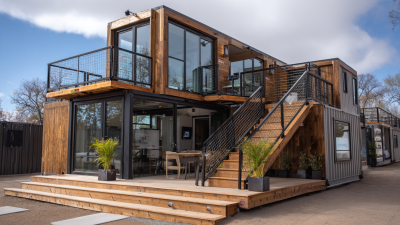
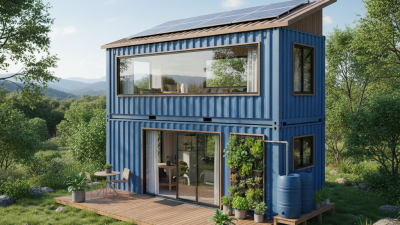
The top ten container homes for sale worldwide differ most in design, size, and intended use. Some preserve the original steel shell, creating a compact, industrial interior. Others combine two or three containers for wider living areas. Floor plans range from simple studio layouts to family homes with separate bedrooms, kitchens, and bathrooms. High ceilings, large windows, and sliding doors can make narrow rooms feel less restricted.
Use also shapes the design. Smaller models often suit guest accommodation, remote work, or short stays. Larger homes may include laundry rooms, storage, covered decks, and full kitchens. A home built for a warm climate may need shaded windows and strong ventilation. Cold regions require careful insulation, sealed joints, and efficient heating. From practical inspections, steel can transfer heat quickly. Attractive finishes cannot fix weak thermal planning. Some listings also describe possible uses too broadly, so buyers should check local building requirements before making assumptions.
Tips:
Compare usable interior space, not only the container count. Ask for wall, roof, and floor insulation details. Inspect window placement, moisture protection, plumbing access, and electrical certification. Confirm transport costs, foundation needs, and installation limits. Photos can hide uneven floors or cramped service areas. A qualified local inspector can reveal problems that a polished listing misses. Even experienced buyers may underestimate delivery access and future maintenance.
Where to Find Container Homes for Sale Around the World
Finding container homes for sale worldwide requires more than browsing attractive photographs. Start with regional modular-housing directories, certified fabricators, licensed property agents, and established construction marketplaces. Search within the country where the home will be installed. Transport costs can change the final price dramatically.
Industry data supports this growing search market. Grand View Research estimates that the global modular construction market could expand at a 6.1% compound annual growth rate from 2023 to 2030. UNCTAD’s Review of Maritime Transport also highlights continuing changes in container shipping capacity and freight networks. These shifts affect delivery times, port charges, and the availability of used containers. A home listed cheaply overseas may become expensive after inspection, sea freight, customs handling, crane hire, and local assembly.
Look for listings that show the container’s age, structural modifications, insulation system, floor plan, and delivery route. Ask for engineering drawings and evidence of weatherproofing. Local planning offices should confirm zoning, foundations, fire safety, plumbing, and electrical requirements before payment. Some sellers provide excellent fabrication, but online images cannot reveal corrosion behind wall panels. That is the uncomfortable part. Independent inspections are worth budgeting for, even when the seller seems experienced. Regional suppliers often reduce transport risk, while overseas sellers may offer more unusual designs. Compare both options carefully. Prices are not always transparent.
What to Check Before Buying a Container Home
Top 10 Container Homes for Sale Worldwide? What to Check Before Buying
A low price can hide expensive repairs. Inspect the container’s history, not only its polished interior.
A standard 40-foot unit is about 12.2 metres long and 2.44 metres wide under ISO 668. However, internal space shrinks after insulation, wiring, and wall finishes.
Look for corrosion around the roof, floor, corner posts, and previous cut-outs. A structural engineer should check every modified opening. Cutting steel changes load paths.
Tips:
Ask for dated inspection photos, engineering drawings, moisture readings, and a written cost schedule. Check the foundation design for your soil and climate. Confirm transport access before paying a deposit. A narrow lane may require a crane or temporary road closure. That cost can surprise you.
Verify planning permission, fire safety, electrical certification, plumbing standards, and local energy requirements with the relevant authority. Rules differ sharply between countries and even municipalities.
Thermal performance deserves serious attention.
The UNEP Global Status Report for Buildings and Construction 2023 states that buildings consume around 30% of global final energy and produce about 26% of energy-related emissions.
A steel shell without continuous insulation can become an oven in summer and a cold surface in winter. Ask for the wall build-up, insulation thickness, thermal-bridge treatment, ventilation plan, and condensation control.
Check windows and roof penetrations after rain. I would also request a blower-door test, although small-home sellers may resist it.
The cheapest listing is not always the cheapest home.
How Prices, Delivery, Permits, and Installation Affect the Purchase
Top 10 Container Homes for Sale Worldwide?
Buying a container home involves more than comparing online prices. A basic unit may cost less, but insulation, windows, plumbing, and electrical work quickly increase the final budget. In many markets, a finished home costs between $40,000 and $180,000, depending on size and specifications. Prices can change sharply between countries. Currency exchange, local labor, and material availability all matter.
Delivery is another major expense. A narrow rural road may require a smaller truck or a special crane. Confirm the site entrance before paying a deposit. Permits also deserve careful attention. Some regions treat container homes as permanent buildings, while others apply temporary-structure rules. Ask the local planning office for written guidance. Do not rely only on a seller’s estimate. Rules can change.
Tips: Request an itemized quotation. Check insulation thickness, floor condition, and corrosion protection. Confirm whether transport, foundation work, utility connections, and crane fees are included. Installation may take several days, but site preparation can take weeks. A level foundation is essential. I have seen buyers focus on attractive interiors and underestimate drainage problems. That mistake can become expensive. Also inspect the warranty terms. A long warranty may exclude coastal corrosion, storm damage, or owner modifications. Leave a realistic contingency fund, even when the quoted package appears complete.