logo

How to Design a Perfect Container Tiny House for Sustainable Living?

The rise of container tiny houses reflects a growing trend towards sustainable living. According to a 2023 report by the Tiny House Society, container homes can reduce overall construction waste by up to 80%. They offer a unique blend of affordability, eco-friendliness, and mobility. Expert architect Emily Hart notes, “Container tiny houses are not just a trend; they are a revolution in affordable living solutions.”

These homes utilize repurposed shipping containers, leading to a significant decrease in resource consumption. However, building a perfect container tiny house requires careful planning and design considerations. Insulation, ventilation, and layout are crucial factors impacting comfort and efficiency. It's also vital to consider local regulations, which can complicate the process.

While container tiny houses promise an innovative lifestyle, they also present challenges. Designing for adaptability and space efficiency is an ongoing learning curve for many. Crafting a sustainable container tiny house isn't just about aesthetics; it's about creating a functional living space that meets individuals' needs.

How to Design a Perfect Container Tiny House for Sustainable Living?

Choosing the Right Container for Sustainable Tiny House Design

Choosing the right container for a sustainable tiny house is crucial. Containers are typically either standard 20-foot or 40-foot. A 40-foot container offers more space but is heavier and less mobile. According to reports from the Container Housing Association, about 80% of container homes are built using these standard sizes.

When selecting a container, consider the material condition. Not all containers are suitable. Many are used for shipments and may have harmful residues. Ensuring your container is wind and watertight is essential for long-term sustainability. Inspecting for rust and structural integrity can prevent future problems.

Tip: Always prioritize containers with a CCSI (Cargo Worthy Standard Inspection). This certification ensures the container meets safety and durability standards.

Selecting an eco-friendly paint is another consideration. Most conventional paints emit harmful VOCs. Opt for low-VOC or eco-friendly options. This choice not only protects the environment but also enhances indoor air quality. Additionally, insulation plays a key role. Proper insulation can reduce energy usage significantly. A well-insulated container can save up to 30% on heating costs, according to energy efficiency studies.

Reflect on your choices and remember that sustainable living goes beyond the initial construction. The right container can change your tiny house experience and contribute to a healthier planet.

Essential Eco-Friendly Features for Your Container Tiny House

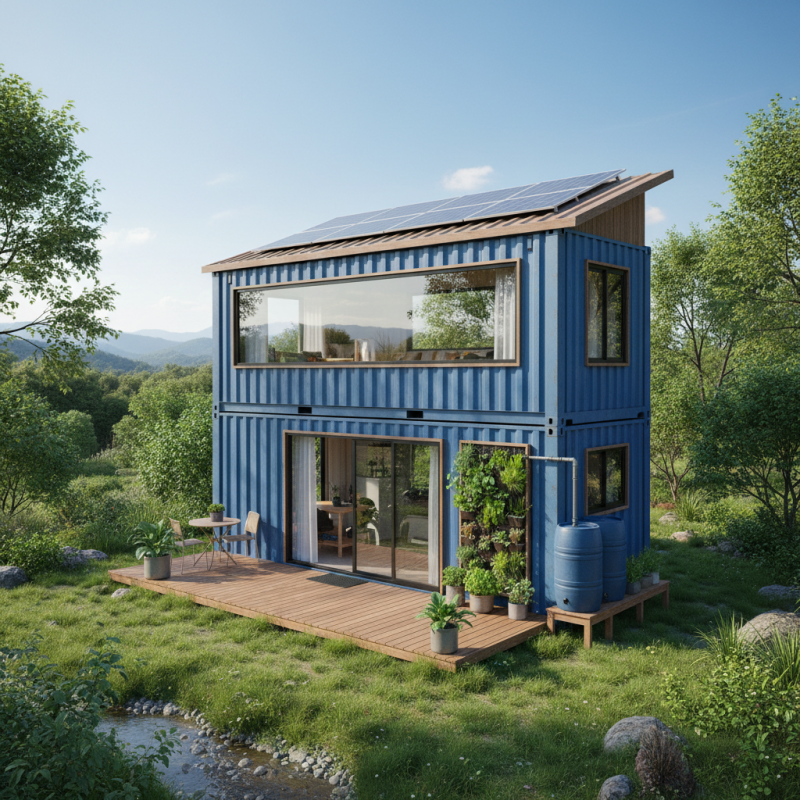
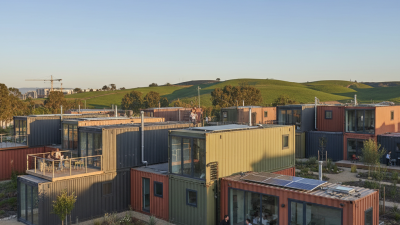
Designing a container tiny house for sustainable living involves incorporating essential eco-friendly features. Solar panels are a must. They provide renewable energy, significantly reducing reliance on traditional power sources. Install them on the roof to maximize exposure to sunlight. This will help in minimizing your carbon footprint.

Consider using recycled materials for insulation. Reclaimed wood and eco-friendly paint can enhance both aesthetics and sustainability. Proper insulation will ensure that your house stays warm in winter and cool in summer, making it energy efficient. Think about rainwater harvesting systems as well. Collecting rainwater for gardening or toilet usage can lower your water bill and lessen strain on local resources.

Natural ventilation is crucial too. Strategically placed windows can create cross-breezes, reducing the need for air conditioning. However, the design needs careful thought. Overlooking ventilation might lead to a stuffy environment. Regularly assess how your space functions in different seasons, and make adjustments as needed. Balancing comfort with efficiency is an ongoing process.

Space Optimization Techniques in Container Tiny House Layouts

How to Design a Perfect Container Tiny House for Sustainable Living?

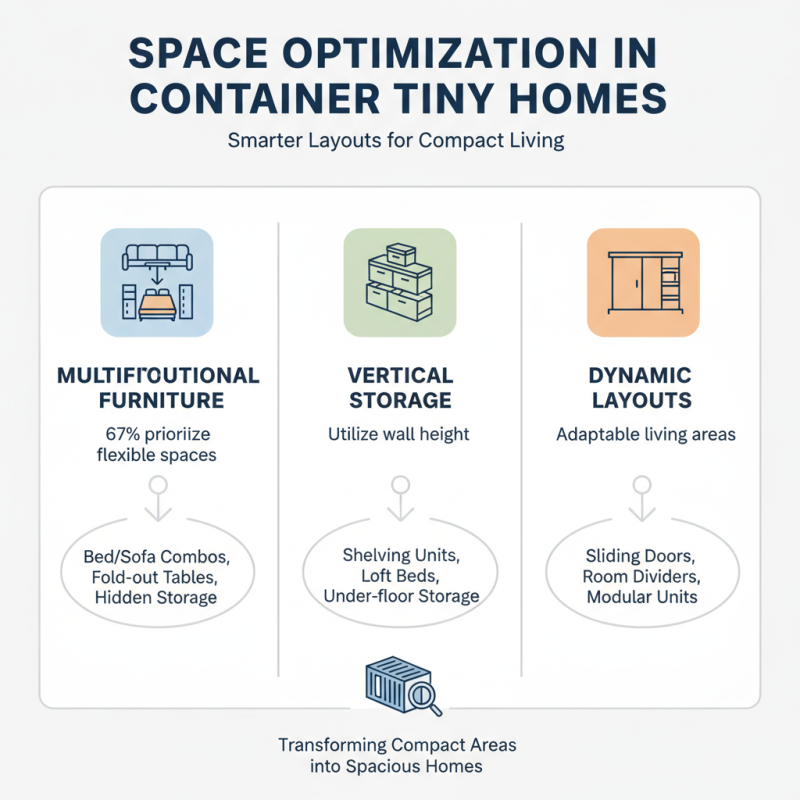
Designing a container tiny house can be an exciting yet challenging venture. Space optimization is key to creating a functional and inviting living environment. A well-planned layout can transform a compact area into a surprisingly spacious home. Research indicates that 67% of tiny house dwellers prioritize multifunctional spaces. This approach encourages innovative use of furniture and storage solutions.

Incorporating furniture that serves dual purposes is essential. For example, a fold-out table can become a workspace and dining area. Similarly, Murphy beds can help free up floor space during the day. According to a 2022 report by the Tiny House Association, effective storage solutions can increase livable space by up to 30%. Utilizing vertical space with shelving and wall-mounted storage helps minimize clutter.

However, not every design works perfectly. Poorly planned layouts can lead to cramped areas and inefficiency. For instance, placing heavy furniture in small rooms may disrupt flow. Careful consideration of movement and accessibility is vital. Re-evaluating designs periodically can help identify problem areas. Sustainable living often involves trial and error, but each adjustment can lead to unique improvements.

Incorporating Renewable Energy Solutions in Tiny House Design

Incorporating renewable energy solutions into tiny house designs is essential for sustainable living. Solar panels can provide the primary source of energy. A study by the National Renewable Energy Laboratory indicates that a typical solar panel system can meet 70% of a home's energy needs. This can significantly lower utility bills, making such homes more accessible.

Wind turbines are another suitable option for energy generation. Small-scale turbines can produce enough power for a tiny house in windy areas. Research shows that homes with wind energy can reduce their carbon footprint by up to 40%.

Tips for energy-efficient tiny houses include using high-efficiency appliances and LED lighting. These choices increase energy savings. Also, consider proper insulation to minimize heating needs. Many owners overlook this detail, leading to higher energy consumption.

Rainwater harvesting systems can complement these energy solutions. Collecting rainwater reduces reliance on municipal water supplies. However, proper filtration and storage are vital. Otherwise, water quality could suffer. Make sure to weigh these factors during your design process.

Sustainable Energy Solutions in Tiny House Design

Creating an Outdoor Living Space for Sustainable Tiny House Lifestyle

Creating an outdoor living space is essential for a sustainable tiny house lifestyle. With the rising interest in tiny homes, a report by the American Tiny House Association indicates that 68% of tiny house owners prioritize outdoor connectivity. This connection enhances well-being and fosters a sense of community.

Incorporating natural elements, such as native plants and trees, can create a harmonious space. Native plants require less water and are more resilient. Some landscaping experts recommend using permeable materials for walkways. This allows rainwater to seep into the ground, reducing runoff and promoting groundwater recharge.

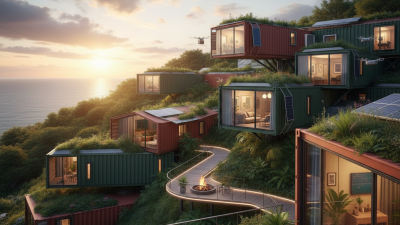
Tip: Consider adding a green roof. A green roof can provide insulation and reduce energy costs. Plus, it offers a habitat for local fauna. This approach not only enhances aesthetics but also reflects a commitment to sustainability.

While outdoor living areas offer numerous benefits, challenges exist. Weather conditions play a crucial role in outdoor usability. Adequate shading and wind protection are vital. Investing in durable, eco-friendly furniture can mitigate wear and tear. However, costs may be higher than traditional options. Balancing aesthetics and practicality is a constant endeavor for tiny house enthusiasts.