logo

How to Buy Flat Pack Homes in 2026?

In 2026, flat pack homes attract buyers seeking a faster, more predictable route to a new home. Factory-made panels or modules can reduce on-site construction time, but they do not remove the practical work around a build. You still need to assess the plot, prepare the foundations, arrange utilities, and confirm how large components will reach the site. A narrow lane or low bridge can change delivery plans quickly. Details matter.

This guide explains how to compare suppliers, understand what a quoted price includes, and plan each stage from design to handover. Look closely at insulation, windows, structural specifications, installation, warranties, and after-sales support. Ask for a clear breakdown of transport, groundworks, connections, and any items excluded from the package. A low headline price may leave important costs outside the contract. Check local planning and building requirements with the relevant authorities before committing, since rules and site conditions vary. No brochure can predict every delay, and factory construction is not automatically cheaper or simpler. The right choice depends on your land, budget, intended use, and tolerance for coordinating contractors. Weigh the evidence carefully, and leave room in both your schedule and budget for surprises.

How to Buy Flat Pack Homes in 2026?

Define Your 2026 Brief and Budget Before Comparing Flat-Pack Home Quotes

Before comparing flat-pack home quotes, write a one-page brief. Set the intended floor area, room count, insulation level, finish standard, delivery location, and move-in date. Then separate the total budget into the home kit, foundation, transport, lifting equipment, assembly, utility connections, and interior finishes. These items can sit outside a headline kit price. Small details matter. A spreadsheet can look exact while missing the muddy access road or the cost of a finished bathroom.

McKinsey’s 2019 report, Modular construction: From projects to products, estimates that modular construction could reduce project timelines by 20–50% and costs by up to 20% in suitable conditions. These are potential gains, not promises for every flat-pack project. Site access, design changes, local trades, and the scope of each quote can affect both schedule and price. Ask suppliers to state what is included, what is excluded, and how changes are priced. Compare the same specification, not just the same floor area.

Tips: Keep a written allowance for site preparation and unexpected work. Request delivery dimensions, foundation requirements, and a clear assembly sequence. Ask whether windows, insulation, wiring, plumbing, and internal finishes are included. If a quote feels unusually clean, check it twice. The awkward costs are often the ones nobody puts in the first table.

Compare Build Systems: McKinsey Finds Modular Builds Can Be 20–50% Faster

When comparing flat pack homes in 2026, look beyond the kit price and ask how each build system affects the schedule. McKinsey has reported that modular construction can be 20–50% faster than conventional building, though results vary by project. Factory work can continue while crews prepare the site. That overlap may reduce weather delays and keep tradespeople from waiting on unfinished tasks.

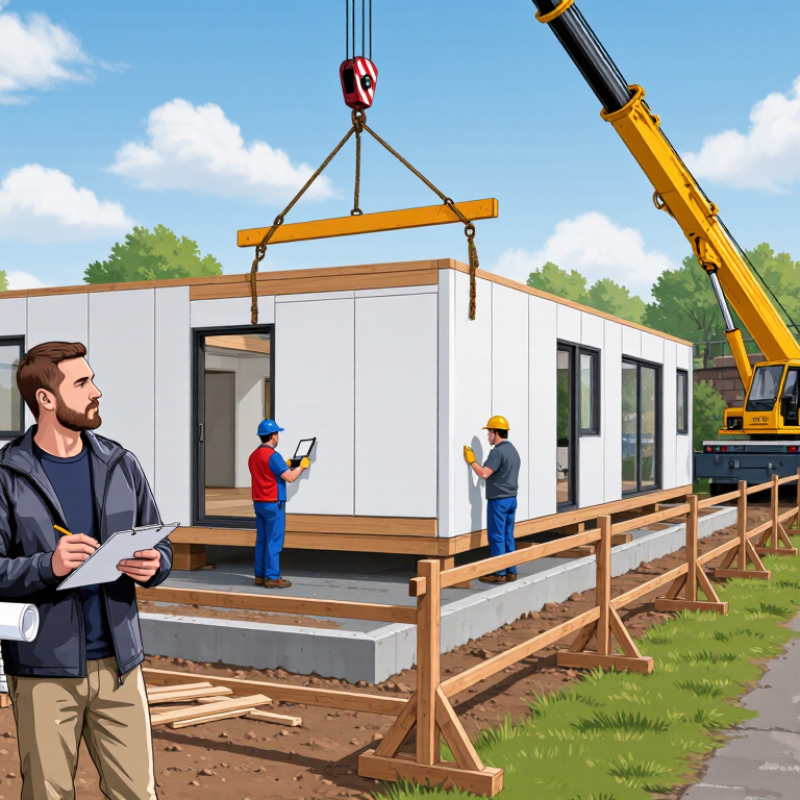
“Modular” usually means large room-sized sections arrive nearly complete. Flat pack systems often ship panels or components for assembly on site. The difference matters on a narrow street: panels may need less lifting equipment, while finished modules can require a crane and clear access. Ask suppliers for a written delivery sequence, installation duration, and examples of comparable projects. A faster assembly date does not mean the home is ready to occupy.

Check what the quoted price excludes. Foundations, utility connections, transport, permits, and interior finishes can shift both cost and timing. Get local professionals to review site conditions and drawings before paying a deposit. Small print matters. I’d also allow extra time for weather or missing components; estimates can look precise, but real sites rarely behave perfectly.

How to Buy Flat Pack Homes in 2026? Compare Build Systems

Reported schedule advantage of modular construction compared with traditional building

McKinsey reports that modular construction can be 20–50% faster than traditional construction. Actual timelines vary with design, permitting, site preparation, transport, and assembly.

Source: McKinsey research on modular construction; figures shown as a reported range, not a project-specific guarantee.

Check Land, Planning Rules, Foundations, and Utilities Before Ordering

How to Buy Flat Pack Homes in 2026?

Before ordering, confirm the plot can legally accommodate the home, its access route, and intended use. Ask the local planning office about zoning, permitted development, design limits, and approval timelines. Rules vary by location. Check a current site plan, not just a listing. A narrow gate or overhead cable can complicate delivery and lifting. Have a qualified professional assess soil conditions and recommend foundations; slopes, clay, and poor drainage can change the design and cost. Then get written confirmation of water, sewer or septic, electricity, and internet connections, including capacity, connection fees, and who arranges the work. Maps can mislead.

Tips: Make land purchase conditional on key checks where possible. Request a site survey, utility responses, and foundation estimate before paying a deposit. The U.S. Environmental Protection Agency’s 2023 assessment estimated $625 billion in drinking-water infrastructure needs over 20 years. That national figure is not a forecast for your plot, but it shows why nearby pipes do not guarantee an affordable connection. Leave room in the budget for unknowns. I would not treat a supplier’s standard foundation allowance as a site-specific quote; it is an easy assumption to make, and sometimes an expensive one.

Verify Supplier Credentials, Specifications, Warranty, and Itemized Costs

A flat-pack home is only comparable when its specification is complete. Ask for the supplier’s registered business details, factory address, recent project references, and inspection records. Then check the drawings against your site: wall and roof insulation, structural loads, fire performance, moisture protection, and connection details. Get written confirmation of what arrives in each crate. Small omissions matter.

McKinsey’s 2019 report, Modular construction: From projects to products, says modular methods can reduce project timelines by 20–50% in suitable cases.

That is not a guaranteed saving for every home; transport, site access, and foundation work can change the schedule.

Request an itemized quotation that separates the home kit, freight, unloading or crane hire, assembly, foundation, utility connections, taxes, and any design changes. Compare identical specifications, not headline prices. Read the warranty for coverage periods, exclusions, start date, and the process for reporting defects; ask who handles repairs if components arrive damaged. Keep the answers in writing.

I would leave a contingency for unclear site costs. A neat spreadsheet still cannot predict every muddy driveway or delayed delivery. That gap deserves a real conversation before you pay a deposit.

Contract Delivery and Assembly: McKinsey Reports Modular Costs May Fall by 20%

A flat-pack home can arrive as labeled panels, roof sections, and fixings, but the delivery contract shapes the real cost. McKinsey has reported that modular construction costs may fall by 20%. Treat that figure as potential, not a guaranteed saving on your home. Factory production can reduce waste and speed assembly, yet transport, site preparation, crane hire, and utility connections may add substantial costs. The savings depend on what the quote includes.

Read the contract line by line. Confirm who unloads the truck, stores materials, assembles the structure, and handles weather delays. Ask for a dated delivery schedule and a written list of exclusions. A low price can hide missing work. That matters. Compare quotes using the same scope, including foundations, insulation, windows, and interior finishes. I would not build a household budget around the reported 20% reduction alone; local access and ground conditions can change the numbers quickly.

Tips: Request an itemized quote, not just a package price. Check whether assembly includes sealing joints and correcting damaged parts. Photograph each delivery and keep a copy of the component list. Ask what happens if a panel arrives late or warped. Small checks help, though they cannot remove every surprise.