Top Foldable Homes for 2026 Are They Worth the Investment?
As we approach 2026, the concept of foldable homes is gaining traction. These innovative living spaces offer flexibility and sustainability. Experts in the field, such as Dr. Emily Parker, a leading architect in modular design, emphasize the potential of this trend. She once stated, "Foldable homes represent a shift towards a future where adaptability meets efficiency."
The market for foldable homes is evolving rapidly. These structures can be transported easily and set up quickly, making them appealing to various demographics. In urban settings, where space is a luxury, foldable homes cater to a growing need for compact living. Their designs combine functionality with modern aesthetics, attracting potential investors and homeowners alike.
However, skepticism remains. Are foldable homes truly worth the investment? Some argue that the initial costs may outweigh benefits. Others question long-term durability and building codes. These concerns highlight the industry's need for transparency and innovation. As foldable homes gain popularity, continuous dialogue will shape their future viability.
Overview of Foldable Homes: Definition and Key Features
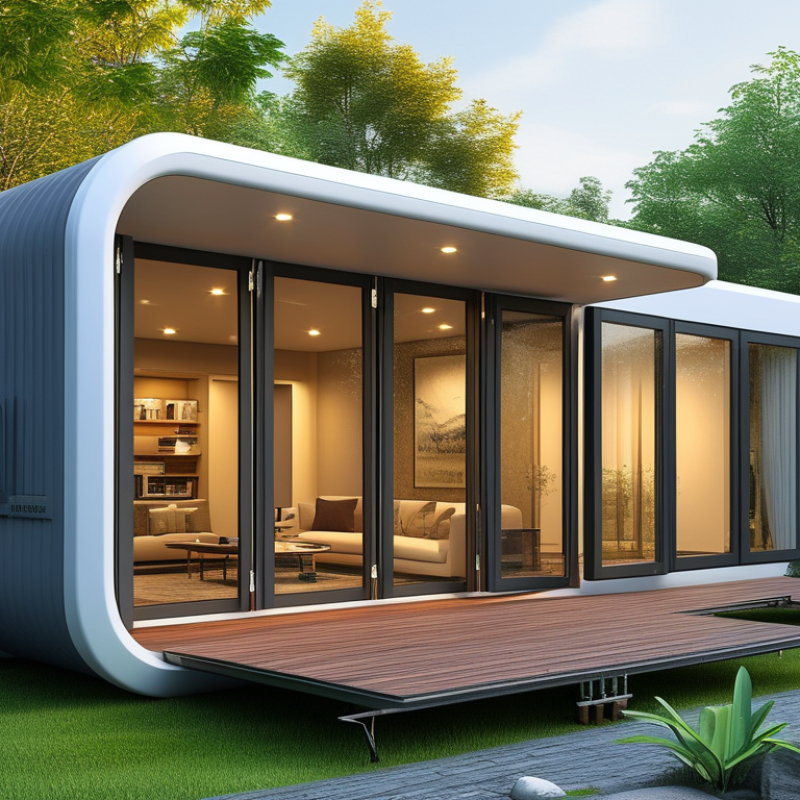
Foldable homes are innovative structures that can be compacted for easy transport and expanded on site. Their design is often modular, offering flexibility in space utilization. According to a 2022 industry report, the foldable home market is expected to grow by 30% by 2026, indicating a rising interest in efficient housing solutions.
Key features of foldable homes include sustainability, energy efficiency, and cost-effectiveness. Many models utilize eco-friendly materials that reduce their carbon footprint significantly. A study by Urban Habitat states that foldable homes can save homeowners up to 40% in energy costs compared to traditional housing. Despite these benefits, challenges remain, such as local zoning laws and limited design options, which may deter potential investors.
While the idea of foldable homes is appealing, it is essential to weigh potential drawbacks. Not every model may suit all climates or locations. The adaptability of foldable homes often raises questions about their long-term durability and investment value. Potential buyers should research thoroughly and consider these factors before making a decision.
Top Foldable Homes for 2026 Are They Worth the Investment?
Feature
Description
Estimated Cost (USD)
Sustainability Rating
Space Efficiency
Maximizes living space through innovative design.
$50,000
High
Mobility
Easily transportable for various locations.
$60,000
Medium
Eco-Friendly Materials
Constructed using sustainable and recyclable materials.
$70,000
Very High
Build Time
Quick assembly, usually within a few weeks.
$40,000
High
Energy Efficiency
High insulation value and energy-efficient systems.
$65,000
Very High
Advantages of Investing in Foldable Homes for the Future
Investing in foldable homes presents a unique opportunity for the future. The global housing market is evolving rapidly. According to a report from the World Economic Forum, the demand for adaptable living spaces is projected to grow by 40% by 2026. Foldable homes cater to this need, offering flexibility and innovation.
One major advantage is cost efficiency. Traditional construction often incurs high labor and material costs. Foldable homes reduce these expenses significantly. The National Association of Home Builders indicates that these structures can save homeowners up to 30% on construction costs. Additionally, they can be easily transported and assembled, addressing housing shortages in urban areas.
However, potential challenges remain. Foldable homes may not appeal to everyone. Some buyers may have doubts about durability compared to traditional homes. The lifespan of such structures is still under scrutiny. Research is ongoing, and it's essential to consider these factors before investing. Ultimately, foldable homes could represent a sustainable living solution, but thorough evaluation is crucial.
Market Trends and Forecasts for Foldable Housing by 2026
As the demand for affordable housing increases, foldable homes are emerging as a potential solution.
Market forecasts suggest a significant rise in their popularity by 2026.
These innovative structures offer flexibility, allowing homeowners to save space and reduce costs.
However, it's essential to consider the trade-offs associated with this trend.
Investing in foldable housing can be enticing. These homes are designed for easy transport and quick assembly.
They can adapt to varying environments, making them ideal for urban settings.
Yet, potential owners should evaluate the long-term durability and maintenance of these homes.
Will they withstand extreme weather? How cost-effective will they be over time?
Such questions merit serious consideration.
Keep an eye on emerging trends. Many regions are revising building codes, making foldable homes more viable.
Research local regulations before investing. Assess the materials used; some designs prioritize eco-friendliness.
Understanding the resale value is also crucial. In a rapidly changing market, these factors will influence your decision significantly.
Investing in foldable homes may offer benefits, but it’s vital to proceed with caution and thorough analysis.
Assessing the Cost vs. Benefits of Foldable Homes
Foldable homes present a unique housing solution for the future. Their convenience and space-saving potential appeal to many. However, evaluating their cost versus benefits is essential. The initial investment can be high, considering materials and technology. Yet, these homes often save on utilities and maintenance in the long run.
Living in a foldable home can promote a minimalist lifestyle. This approach reduces clutter and encourages mindful living. The compact design allows for mobility, making relocation easier. However, some may find the limited space challenging. The layout might not suit larger families or those needing more privacy.
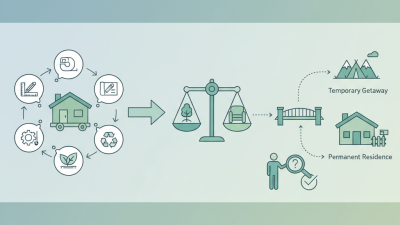
Durability is another point for consideration. While foldable homes boast modern materials, they may not endure severe weather as traditional structures do. Homebuyers should assess local climate factors. In many cases, foldable homes could serve as temporary housing or vacation spots, but may not fully replace conventional homes. Balancing convenience with personal needs is crucial in making an informed decision.
Potential Challenges and Considerations for Buyers
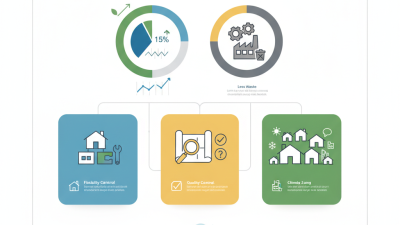
As foldable homes gain popularity, potential buyers must weigh various factors before investing. The global foldable housing market is projected to grow significantly, reaching USD 295 million by 2026, according to market research. This presents an enticing opportunity. However, affordability remains a concern. Folding homes can cost between $60,000 to $150,000, depending on design and materials. This price range might not be feasible for everyone.
Another consideration is the durability and climate adaptability of these structures. Many foldable homes are designed for basic weather conditions but may not withstand severe elements. A study by the Building Research Establishment indicates that climate resilience is crucial for long-term investment. Buyers should investigate how these homes perform in various environments.
Furthermore, zoning regulations may pose challenges. Local laws regarding temporary or non-traditional structures vary widely. Research shows that many prospective owners struggle with permits. This can cause delays and unexpected costs. Buyers should engage with local authorities to understand these regulations fully before purchasing a foldable home.