logo

Why Choose Folding Homes for Your Next Project?

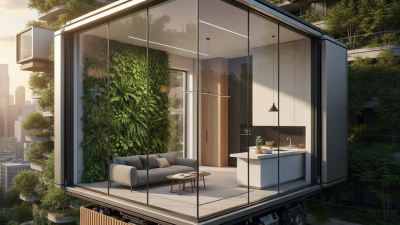
In an ever-evolving world of architecture and design, folding homes are emerging as a revolutionary solution. These innovative structures offer unique benefits, appealing to those seeking efficiency and practicality. With environmental concerns on the rise, folding homes provide a sustainable alternative to traditional building methods.

Imagine a home that can be assembled in a fraction of the time it takes for conventional houses. Folding homes not only save time but also reduce waste significantly. This flexibility suits various lifestyles, from urban dwellers to remote adventurers. However, the concept requires careful consideration of location and usability.

While the idea of folding homes is promising, potential challenges remain. The initial investment in design and technology could be steep. Additionally, the perception of folding homes might vary among communities. Thus, understanding local needs and preferences is crucial for successful implementation. Exploring folding homes may lead to a more adaptable and sustainable future, but thoughtful planning is necessary to ensure their long-term viability.

Why Choose Folding Homes for Your Next Project?

Benefits of Folding Homes in Sustainable Building Practices

Folding homes present a unique opportunity in sustainable building practices. They are designed for easy assembly and disassembly, minimizing waste during construction. A study by the World Green Building Council indicates that buildings account for 39% of global carbon emissions. By using folding homes, projects can significantly lower their environmental impact.

The materials used in folding homes often include recycled or sustainably sourced components. This supports the circular economy. According to a report from the U.S. Department of Energy, energy-efficient building techniques can reduce energy consumption by up to 50%. Folding homes can integrate these techniques seamlessly, making them a strong choice for eco-conscious developers.

Tips: Consider the local climate when selecting materials. Insulation methods should match environmental conditions. Engage with experts to assess site suitability for folding homes. A reflective approach is essential. Not all locations will benefit equally from this innovative building style. Do thorough research to make informed choices.

Why Choose Folding Homes for Your Next Project?

Folding homes are revolutionizing sustainable building practices. The following chart illustrates the key benefits of folding homes in terms of sustainability:

Growing Popularity of Folding Homes in the Construction Industry

The construction industry is witnessing a transformative trend with the rise of folding homes. These innovative structures appeal to builders and homeowners alike. They offer unique advantages that align with modern needs. Energy efficiency and sustainability are at the forefront of this movement.

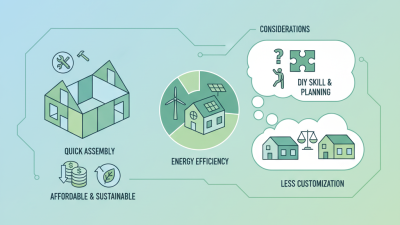
Folding homes are designed for quick assembly and disassembly. This flexibility reduces labor costs and construction time. Many projects can be initiated in remote areas where traditional building materials are challenging to transport. However, some may question the longevity and durability of such homes. Not all designs may withstand harsh weather conditions. Therefore, thoughtful planning and design are essential.

As more people seek affordable housing solutions, folding homes become increasingly attractive. Their compact nature allows for creative use of space. Nonetheless, there may be hesitations about zoning regulations and land use. Balancing innovation with compliance can be complex and require expert guidance. The growing popularity of folding homes signifies a shift in how we approach construction, but careful consideration is key.

Cost-Effectiveness: A Financial Analysis of Folding Homes

Folding homes present a unique financial opportunity for your next project. They require significantly less material than traditional homes. This reduces costs in construction and transportation. The modular design allows for quick assembly, saving on labor expenses as well. By employing less manpower, the overall budget can be lowered. Investing in folding homes can lead to substantial savings over time.

While the initial costs are lower, it’s essential to evaluate the long-term benefits. These homes often have reduced energy costs due to their efficient design. Insulation and sustainable materials can lead to savings on heating and cooling. However, some may question their durability compared to conventional homes. Understanding the trade-offs is crucial.

Folding homes might not suit every project. Buyers should consider local building codes and zoning restrictions. Researching these factors will ensure compliance and feasibility. Ultimately, the decision hinges on balancing upfront costs with future savings. It’s a financially strategic choice that deserves careful evaluation.

Technological Innovations Driving the Folding Home Market

Folding homes are gaining traction due to game-changing technological innovations. From advanced materials to efficient designs, these homes are revolutionizing the construction industry. Lightweight and durable materials allow for easy transport, enabling quicker assembly. This efficiency reduces costs significantly. Builders can create modular units in controlled settings, minimizing waste and ensuring quality.


Recent breakthroughs in smart technology are also influencing the folding home market. Many designs now incorporate energy-efficient systems. Solar panels and smart thermostats help reduce energy consumption. Integration of technology transforms these homes into self-sustaining environments. However, the challenge remains to keep these innovations affordable for average consumers.


Some consumers may question the long-term durability of these homes. As folding homes are relatively new, there are uncertainties about their lifespan and resistance to extreme weather. Initial enthusiasm can cloud practical considerations. It’s essential to look closely at materials and design to ensure reliability. Adapting to evolving technologies will be crucial for future success in this growing market.

Case Studies: Successful Folding Home Projects and Their Impact

Folding homes are becoming a popular choice for various projects due to their efficiency and sustainability. Case studies showcase successful implementations that highlight their potential. For instance, a recent report from the World Economic Forum indicates that modular and folding homes can decrease construction waste by up to 60%. This statistic shows the environmental advantages of opting for folding designs.

One notable project took place in a disaster-stricken area. A rapid deployment of folding homes provided immediate shelter for displaced families. These homes can be assembled in just a few days, addressing urgent housing needs. However, not every folding home project has been smooth sailing. Some issues arose related to local building codes and community acceptance. These challenges remind us that, while innovative, folding homes require careful planning and consideration to ensure alignment with local regulations.

Another example involves a community in a densely populated urban area. The introduction of folding homes increased available living spaces significantly. Researchers noted a drop in housing costs by 15% in that neighborhood. Yet, the integration process faced hurdles. Community resistance and zoning laws posed significant obstacles that required negotiation. These instances illustrate that while folding homes offer promising solutions, reflection on community dynamics is essential to achieve successful implementation.

Why Choose Folding Homes for Your Next Project? - Case Studies: Successful Folding Home Projects and Their Impact

Project Location Year Completed Size (sq ft) Environmental Impact Community Benefit
Austin, TX 2021 800 Reduced carbon footprint by 30% Provided affordable housing for 4 families
San Francisco, CA 2020 1,200 Utilized 40% recycled materials Community garden integrated
Seattle, WA 2022 600 Solar panels installed, 25% energy efficiency Educational space for local youth programs
Miami, FL 2023 1,000 30% less water usage compared to traditional homes Designed for disaster resilience