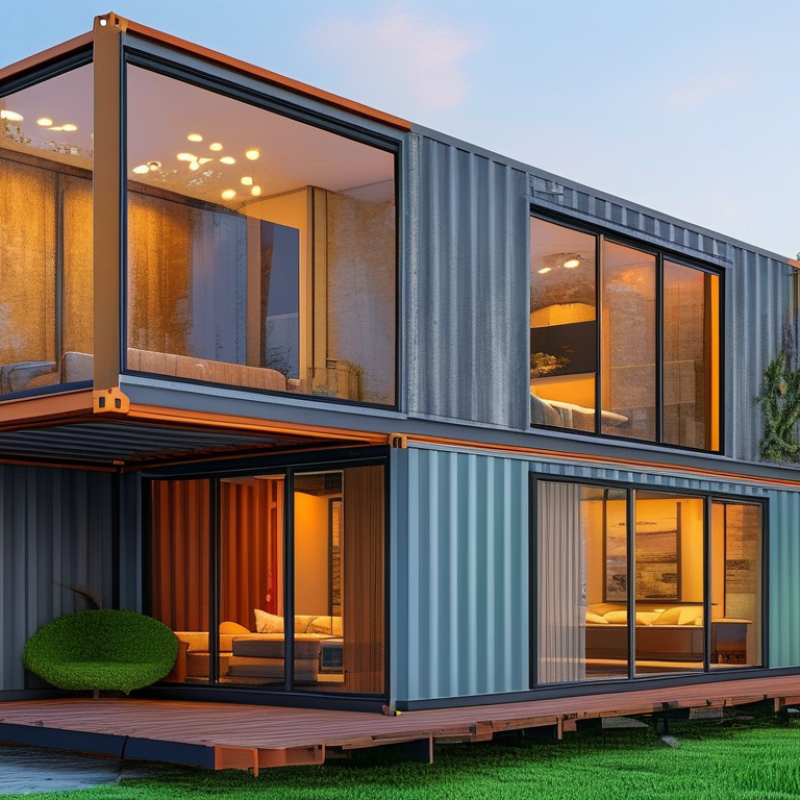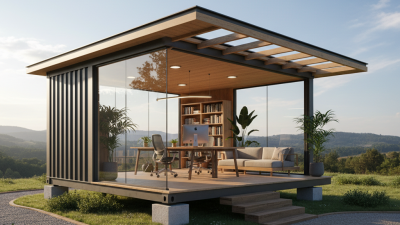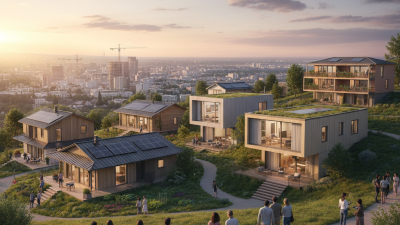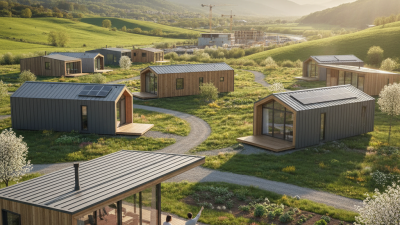
The concept of a container house is gaining popularity in modern architecture. These innovative homes, crafted from old shipping containers, offer unique design possibilities. They are not just eco-friendly but also cost-effective, appealing to those seeking sustainable living.
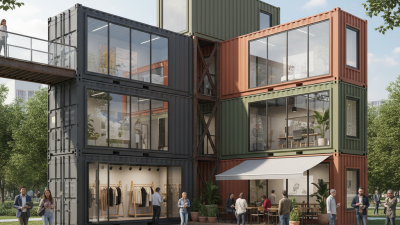
Container houses provide flexibility in design. They can be stacked, arranged, and colored in various styles. This modular approach allows homeowners to create personalized spaces. Yet, potential buyers should consider the structural challenges involved. Not every container is suitable for living purposes.
Choosing a container house means embracing a new lifestyle. The benefits of reduced waste and lower costs are significant. However, it's essential to weigh the practicality and feel of such homes. Will they truly meet your living needs? Reflecting on these questions is crucial before making the leap into container living.
What is a Container House? Definition and Overview of Features
Container houses represent an innovative approach to modern living. These structures are crafted from repurposed shipping containers. Their unique design offers a range of benefits. Most designs showcase energy efficiency, durability, and flexibility. According to a recent report by the Container Housing Association, about 60% of new homeowners are considering this alternative housing option.
The features of container houses are noteworthy. Many are built with eco-friendly materials. Insulation can be optimized to enhance energy efficiency. The modular nature allows for varied layouts, accommodating families or individuals alike. Space-saving designs often maximize usability. However, some may face challenges in zoning laws and financing options. Building codes can be less accommodating than traditional homes.
Despite the advantages, container homes are not without flaws. Some might find them restrictive in layout or aesthetic appeal. There can be a misconception about their insulation capabilities. Proper heating and cooling systems are essential in extreme climates. The industry is still evolving, so future advancements may address current limitations. Understanding these dynamics can help potential homeowners make informed choices.
Historical Evolution of Container Houses: From Shipping to Sustainable Living
The concept of container houses has evolved significantly since their inception. Initially, shipping containers served a purely functional purpose—transporting goods across oceans. Over time, innovative minds recognized their potential as livable spaces. This shift began in the late 20th century, as sustainability gained traction. Architects and designers started to reimagine these metal boxes as affordable housing solutions.
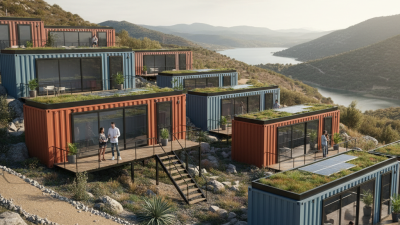
Many container houses are designed with creativity and sustainability in mind. They can be modified to include windows, insulation, and modern amenities. Some projects focus on using renewable energy, such as solar panels. However, there are challenges. Not all areas allow container homes due to zoning laws. Additionally, retrofitting containers can be labor-intensive.
Despite these hurdles, the appeal of container homes remains strong. They contribute to eco-friendly living in a world grappling with waste issues. The stark industrial aesthetic can be both a bold statement and a minimalist retreat. However, potential owners should consider their local regulations and the specific modifications required. Each project is a reflection of creativity and an effort to embrace sustainable living.
Key Benefits of Choosing a Container House: Cost, Efficiency, and Durability
Container houses are revolutionizing the housing market due to their unique advantages. Cost efficiency is a significant factor. According to a 2022 report by the World Bank, constructing a container home can reduce building expenses by 30% compared to traditional homes. This affordability is particularly appealing for first-time homeowners or those looking to downsize. However, the availability of suitable containers fluctuates, occasionally impacting prices and choices.
Efficiency is another critical benefit. Container houses can often be constructed in a fraction of the time needed for conventional builds. A study by the Global Construction and Architecture Journal states that container homes can be ready for occupancy within three months. This increased speed in construction reduces labor costs and minimizes disruption. Still, the building process requires skilled labor to manage unique challenges, like insulation and proper modifications.
Durability is a notable attribute of container homes. Built from steel, they withstand harsh weather conditions well. Research shows that steel structures can last 50 years or more with proper maintenance. However, potential issues such as rusting or corrosion need attention. Homeowners should consider regular inspections to maintain structural integrity over time. Embracing these advantages comes with the realization that thoughtful planning is crucial to achieve optimal results.
Industry Statistics on Container Home Popularity and Market Growth Trends
The popularity of container homes is on the rise. A recent industry report from MarketsandMarkets predicts that the global container homes market will grow from USD 73 million in 2023 to USD 73 billion by 2028. This indicates a staggering compound annual growth rate (CAGR) of 25.8%. Such statistics reflect growing interest and acceptance of alternative housing solutions.
One factor contributing to this growth is the rising demand for affordable housing. According to a study by Statista, around 47% of U.S. households express concerns over housing costs. Container homes cater to this need, providing a sustainable yet cost-effective option. They are often more affordable than traditional homes and can be constructed much faster. However, potential buyers should be aware of the challenges. Availability of quality container materials and zoning regulations can complicate the construction process.
Environmental factors also play a significant role. A report from the World Economic Forum notes that eco-friendly building solutions are favored by 64% of homebuyers today. Container houses can be highly sustainable, using recycled materials. However, concerns remain about insulation and energy efficiency. Buyers must carefully consider these aspects to ensure their new home is both comfortable and environmentally friendly.
What is a Container House and Why Choose One? - Industry Statistics on Container Home Popularity and Market Growth Trends
Year
Container Homes Sold (Units)
Market Growth Rate (%)
Average Price per Container Home ($)
Key Benefits
2018
5,000
15%
25,000
Eco-Friendly, Cost-Effective
2019
7,500
20%
28,000
Durable, Customizable
2020
10,000
25%
30,000
Sustainable, Quick to Build
2021
15,000
30%
32,000
Portable, Innovative Design
2022
20,000
35%
35,000
Affordable, Unique Style
Sustainability Factors: Energy Efficiency and Environmental Impact of Container Homes
Container homes have gained popularity for their unique design and eco-friendly attributes. These homes are constructed from repurposed shipping containers, which would otherwise contribute to landfill waste. This sustainable approach helps reduce environmental impact significantly. But are container houses truly green?
Energy efficiency is a vital consideration in any housing choice. Container homes can be insulated effectively, keeping energy costs low. Their smaller footprint typically requires less energy for heating and cooling. However, some designs can lack natural ventilation, leading to potential humidity issues. Proper planning is essential to ensure they remain comfortable year-round.
Moreover, the environmental impact of container homes extends beyond energy use. The materials used in construction are often recycled, reducing the demand for new resources. However, not every container is suitable for living; some may contain hazardous residues. Careful sourcing and repurposing are crucial to maintain safety. Balancing aesthetics with sustainability should always be a priority for future homeowners.