logo

How to Choose an Expandable Container House?

Choosing an expandable container house is not simply a matter of comparing prices or counting bedrooms. It is a decision about structure, movement, climate, and everyday comfort. A reliable choice begins with the site. Measure access roads, ground conditions, drainage, sunlight, and available utility connections. A beautiful unit may still fail if a delivery truck cannot reach the property.

Modular construction specialist Avi Friedman states, “Flexibility is valuable only when it responds to real human needs.” That principle deserves attention. An expandable container house should open smoothly, seal tightly, and remain stable after repeated use. Inspect the folding joints, wall insulation, roof drainage, window frames, and electrical system. Ask whether replacement parts are locally available. Small details matter. A loose hinge can become a serious inconvenience during heavy rain.

Certification and manufacturing records also deserve careful review. Confirm the steel grade, fire-resistant materials, wind resistance, and load calculations. These details may vary by region. Professional installation is essential, especially when connecting water, electricity, and sewage systems. Do not trust attractive photographs alone.

Some buyers focus heavily on expansion speed. That is understandable, but incomplete. A larger floor area cannot repair poor ventilation or weak insulation. I have also seen plans overlook furniture clearance near folding walls. That mistake feels minor on paper. It becomes frustrating every evening.

This guide explains how to compare layouts, materials, manufacturers, delivery terms, and long-term maintenance. It also questions popular assumptions. The cheapest expandable container house may not be the most economical choice. Real value appears through comfort, durability, safety, and dependable after-sales support.

How to Choose an Expandable Container House?

What Is an Expandable Container House?

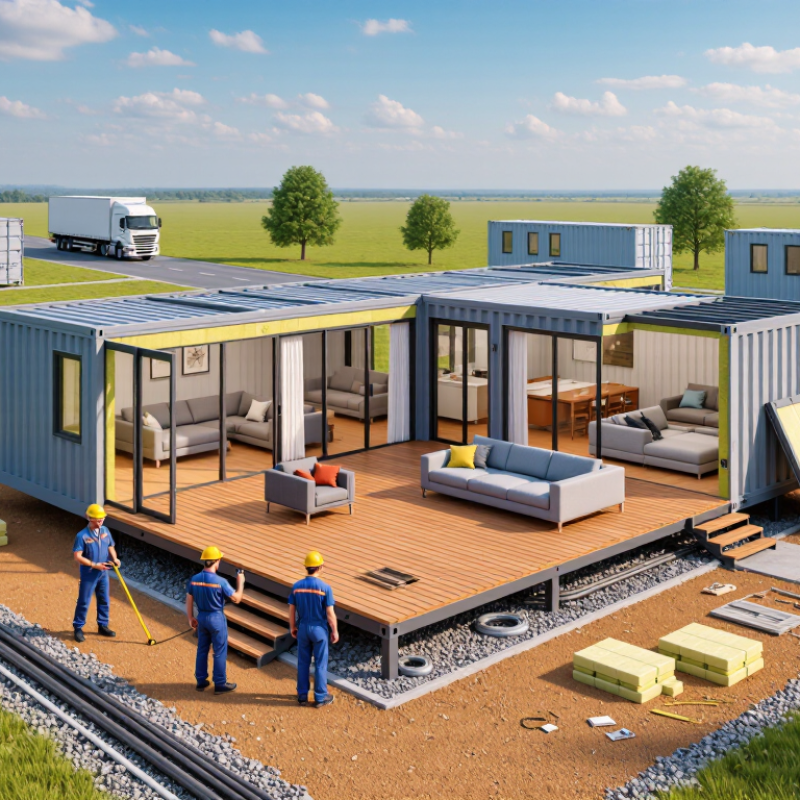
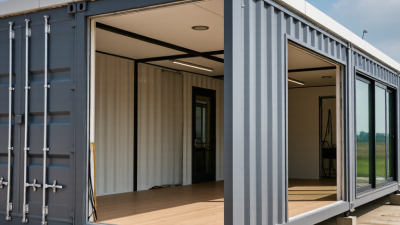
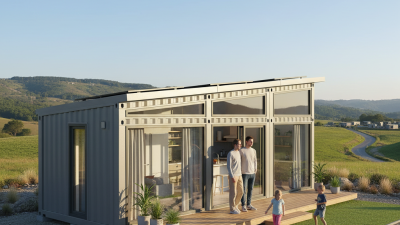
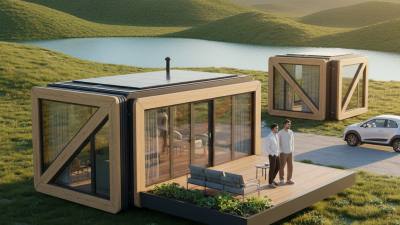
An expandable container house is a compact modular dwelling built around a reinforced steel frame. It arrives folded, then opens through hinged walls, floors, or roof sections. The folded unit needs less transport space than a finished room. Once expanded, it can provide bedrooms, offices, classrooms, or temporary accommodation.

It is not magic. The structure still needs a level foundation, careful assembly, and reliable connections. A proper design should show load paths, insulation thickness, fire resistance, electrical routing, and drainage details. In practical site inspections, small gaps around folding joints often create drafts or water problems. These details deserve attention before purchase.

When choosing one, check the usable floor area after expansion, not only the transport dimensions. Ask how the panels lock and how often they can be folded without weakening seals. Local weather also matters. A hot coastal site needs corrosion protection, while a cold region requires stronger insulation and controlled ventilation. Some advertised layouts look spacious on paper but feel narrow after furniture is installed. Request drawings, material specifications, installation instructions, and maintenance records. Independent structural and electrical inspections can reveal issues that photographs hide. A cheaper unit may need better groundwork, which changes the real cost.

Which Space, Layout, and Capacity Requirements Must Be Defined?

How to Choose an Expandable Container House?

Choosing an expandable container house starts with defining how each space will be used. Measure the site, not just the floor plan. Record access roads, slope, drainage, sunlight, and nearby structures. A living area may need space for a sofa, table, storage, and safe walking paths. Bedrooms need bed clearance and ventilation. Kitchens require working zones, appliance positions, and room for opening cabinet doors. Bathrooms need privacy, plumbing access, and enough turning space.

Capacity must match real habits, not hopeful estimates. Count permanent residents, regular guests, furniture, and equipment. A two-person home may need two bedrooms if remote work is expected. Future changes matter too. Children, aging family members, or a home office can quickly change the layout. The first plan is rarely perfect. In my experience, people often underestimate storage and overestimate usable open space. Check the expanded dimensions carefully, including wall thickness, doors, stairs, and outdoor connections.

Tips: Mark furniture with tape on the ground before ordering. Walk through the marked rooms with a chair, suitcase, and laundry basket. This simple test exposes cramped corners. Leave room for maintenance access and emergency movement. Confirm local planning, foundation, utility, fire-safety, and ventilation requirements with qualified professionals. A slightly smaller plan can feel better when circulation is clear. A larger plan can still fail when every wall is occupied.

How Should Structural Quality, Materials, and Insulation Be Evaluated?

How to Choose an Expandable Container House?

Structural quality should be checked before appearance. Ask for engineering drawings, load calculations, and welding inspection records. The hinges and expansion joints deserve close attention. They carry repeated movement during opening and closing. Look for continuous welds, even metal thickness, and clean corrosion protection. A practical inspection includes opening the house several times. Watch for binding doors, uneven floors, or twisting wall panels. I once saw a unit that looked excellent outside but had misaligned supports. It reminded me that photographs cannot replace physical testing.

Material selection affects strength, comfort, and maintenance. Galvanized steel can resist moisture better than untreated steel, but coating quality matters. Inspect cut edges, fasteners, and hidden connections. Interior boards should tolerate humidity and regular cleaning. Flooring needs stable joints, especially near folding sections. Ask whether materials have documented fire, emission, and durability ratings. Certification does not remove the need for careful inspection. Records can be incomplete.

Insulation should be evaluated as a complete system, not by thickness alone. Check the insulation type, density, vapor control, and installation gaps. Cold bridges often appear around frames, corners, and roof connections. A thermal camera can reveal weak areas during a temperature difference. Seals around windows and doors should compress evenly. Test them with a thin strip of paper. If the paper slides freely, air leakage may be present. No inspection method is perfect. Local climate and installation quality can change real performance. Ask an independent qualified inspector to verify critical details before purchase.

What Utilities, Safety Features, and Building Standards Are Required?

Choosing an expandable container house starts with utilities, not appearance. Ask for a signed electrical load calculation before selecting appliances. The design should include grounding, circuit protection, and GFCI or RCD outlets near wet areas. Water lines need insulation, shutoff valves, and tested backflow protection. Wastewater connections must follow local plumbing rules. Poor drainage can damage the folded wall sections.

Safety details deserve equal attention. The 2024 International Residential Code addresses structural loads, emergency exits, smoke alarms, and ventilation. Local rules may also require wind, snow, seismic, and foundation calculations. NFPA’s Home Structure Fires report found cooking equipment caused 53% of reported home structure fires from 2017 to 2021. Therefore, install a suitable hood, heat-resistant surfaces, and accessible fire extinguishers. WHO’s 2021 air-quality guidelines recommend annual PM2.5 exposure below 5 µg/m³. Mechanical ventilation, filtered fresh air, and moisture control are practical responses. Still, ventilation plans are often treated as an afterthought.

Tips: Request certificates for electrical, plumbing, insulation, and fire-rated materials. Confirm the house is anchored for local wind and seismic conditions. Check that doors open fully after expansion. Test alarms before occupancy. A small flaw can become expensive. I would also keep a service cavity around pipes and cables, even if it reduces interior space. That compromise is easy to overlook. Use an independent inspector, not only the seller’s checklist.

How Can Costs, Installation, Transport, and Long-Term Maintenance Be Compared?

Choosing an expandable container house requires more than comparing its purchase price. A practical assessment includes the foundation, utilities, permits, delivery, installation, and future repairs. Ask for itemized quotations, not attractive totals. In my project reviews, missing site preparation caused the largest budget surprises. A level foundation may reduce assembly problems, while uneven ground can increase labor and drainage costs.

Installation speed matters, but speed alone does not prove quality. Confirm how many technicians are included, what tools they bring, and whether electrical and plumbing connections are tested. Request installation drawings and written acceptance standards. A house that unfolds in one day may still need several days for interior finishing and inspections. This distinction is easy to overlook. Transport costs depend on folded dimensions, road access, lifting equipment, distance, and local restrictions. Measure the entrance before ordering. A narrow lane or weak bridge can require route changes, temporary equipment, or extra handling fees.

Long-term maintenance should be compared by materials and accessibility, not promises. Check roof joints, seals, hinges, insulation, corrosion protection, windows, and replaceable electrical components. Ask how quickly common parts can be supplied and who performs warranty service. Annual inspections of seals and drainage can prevent moisture damage, although needs vary by climate. Some low-cost finishes look efficient at first. They may age poorly in coastal air or harsh sunlight. I would compare five-year ownership costs beside the purchase price and keep a contingency fund for unknown site conditions.