logo

How to Choose the Best Movable Homes for Your Needs?

Choosing the right movable homes can feel overwhelming. Renowned expert in modular living, Dr. Sarah Linton, emphasizes, "Understanding your unique needs is crucial in selecting a movable home." This insight highlights the importance of personal preferences in this rapidly evolving industry.

Movable homes offer flexibility and comfort, but not every option is suitable for everyone. Each family has distinct lifestyle needs. Factors such as space requirements, mobility, and budget are essential to consider. You may think about where you'll place your home. Proximity to schools, work, and amenities could significantly impact your decision.

While many options exist, choosing the best fits your lifestyle can be tough. It's important to reflect on essential features. Consider both aesthetic appeal and functional design. A beautifully designed home may not fulfill practical needs. In navigating the world of movable homes, a balanced approach is key to finding the right fit.

How to Choose the Best Movable Homes for Your Needs?

Understanding Different Types of Movable Homes Available in the Market

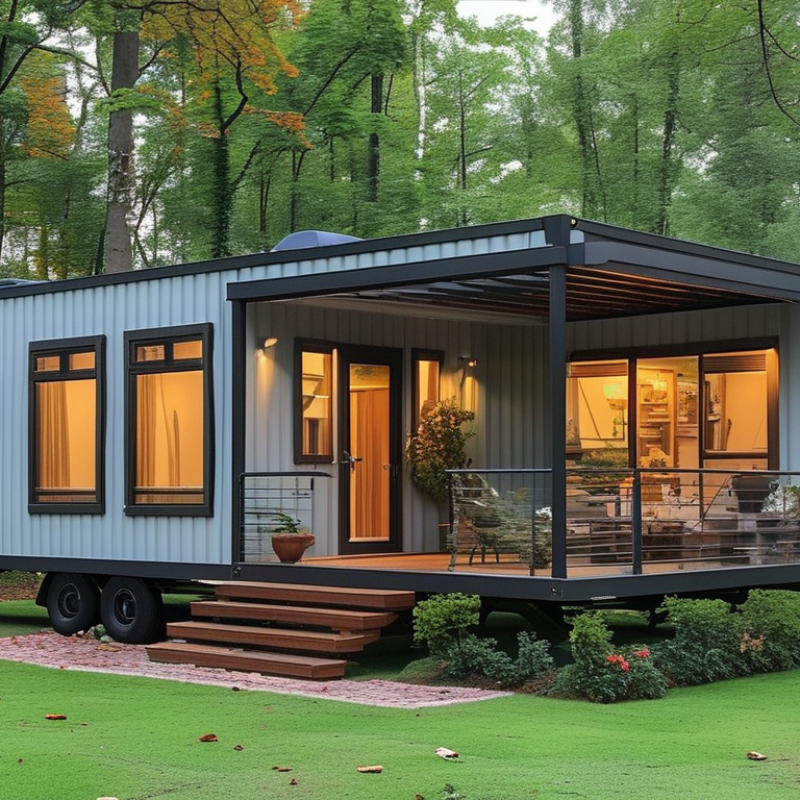
When exploring movable homes, it's essential to understand the different types available. Generally, movable homes come in several forms, including trailers, tiny homes, and modular houses. Each type has its unique features and drawbacks. Trailers are often more affordable and easy to transport, appealing to those seeking a transient lifestyle. However, they can lack space and comfort.

Tiny homes present another option. They are compact and designed to maximize space efficiently. Many people find joy in minimalist living through tiny homes. However, downsizing can be challenging, requiring careful planning and reflection on what is truly necessary.

Modular homes offer increased stability and comfort. They are built in sections off-site and assembled on your chosen lot. While these homes often provide a larger living area, they can also be less mobile than trailers or tiny homes. It's crucial to consider the level of mobility you desire. Each type of movable home requires you to weigh the pros and cons. Finding the best fit means understanding your lifestyle and priorities.

How to Choose the Best Movable Homes for Your Needs?

Type of Movable Home Average Size (sq ft) Average Price (USD) Typical Features Best For
Park Model RV 400 - 500 $30,000 - $60,000 Compact design, full kitchen, bathroom Vacation use, seasonal living
Tiny House 100 - 400 $20,000 - $100,000 Eco-friendly, customizable, mobility Minimalist living, budget-friendly housing
Manufactured Home 800 - 2000 $50,000 - $100,000 Built to HUD standards, spacious Permanent living, larger families
Travel Trailer 200 - 500 $15,000 - $50,000 Varied sizes, can include slide-outs Travelers, weekend getaways
Slide-in Truck Camper 100 - 300 $10,000 - $30,000 Compact, fits in truck bed, amenities Adventurous travelers, off-road capability

Evaluating Your Budget and Financial Considerations for Movable Homes

When considering a movable home, budget is a crucial factor. Begin by calculating your overall financial situation. Include not only the purchase price but also additional expenses like maintenance, insurance, and utilities. These hidden costs can add up quickly. You might find that the most affordable option comes with unexpected fees. Arranging your finances before shopping is a wise move.

Explore financing options available for movable homes. A loan specifically for mobile residences can provide a clear path to ownership. Interest rates vary widely, so be diligent in comparing your choices. Many people overlook the impact of credit scores on loan availability. It’s important to understand how this affects your options. Fixing errors in your report can increase your chances.

Evaluate the potential resale value of the home. Some models depreciate faster than others. This is a necessary reflection for any buyer. Consider how long you plan to live in this home. Plans can change, and knowing the market can protect your investment. Movable homes may seem simple, but the financial landscape is complex.

Budget Considerations for Movable Homes

Assessing Location and Mobility Needs When Choosing a Movable Home

When selecting a movable home, understanding your location and mobility needs is crucial. Consider where you plan to live. Is it a bustling city or a serene countryside? Urban areas may require smaller vehicles that fit into tight spaces, while rural locations could allow for larger homes. Think about local regulations too. Some regions have strict zoning laws. Make sure your chosen home complies.

Evaluate your mobility needs as well. How often will you move? If you plan frequent relocations, choose lighter models. These are easier to tow and manage. For long-term placements, heavier homes may offer more comfort and stability. Reflect on your personal lifestyle. Do you value flexibility, or do you seek permanence? This will guide your decision.

Here are a few tips: Look for homes with modular designs. These can be adapted based on your needs. Research transport costs in your area; they can vary significantly. Lastly, involve your family in the decision-making process. Their needs and preferences matter too. Prioritize communication to ensure everyone's satisfaction with the chosen home.

Key Features to Look for in a Movable Home for Long-Term Comfort

When choosing a movable home for long-term comfort, focus on key features that enhance livability. Space utilization is crucial. According to industry reports, homes under 400 square feet can still feel spacious with thoughtful layouts. Look for designs that maximize natural light with ample windows. This not only creates a comforting environment but can also reduce energy costs by relying on daylight.


Next, consider insulation standards. A well-insulated home helps maintain comfortable temperatures throughout the year. The Department of Energy suggests that quality insulation could lower energy expenses by 30%. Additionally, look for durable materials that withstand various climates. Moisture-resistant materials can prevent mold growth, an issue that affects approximately 60% of movable homes, according to a housing survey.


Lastly, pay attention to storage solutions. Innovative storage can drastically improve organization and comfort. Built-in cabinets and multi-functional furniture are excellent options to consider. However, choosing the right features requires reflection on your lifestyle needs. Diagnose what truly matters for your day-to-day living, rather than opting for trendy aspects that may not serve well in the long run.

Researching Builder Reputation and Warranties for Peace of Mind

Choosing the right movable home is a significant decision. One crucial factor is the builder's reputation. Buyers must research how long the company has been in business. A company with a long history often indicates reliability. According to the National Association of Home Builders, more than 70% of homebuyers consider builder reputation a top priority.

Warranties are equally important. Many manufacturers offer limited warranties on structural integrity and appliances. A 2022 report from the Manufactured Housing Institute showed that homes with comprehensive warranties sold 20% faster. These warranties give peace of mind to buyers. They can reassure you about the home’s quality and longevity. Make sure to read the fine print. What is covered? How long does it last?

While researching, look for customer reviews on various platforms. Positive feedback can be reassuring, but negative experiences should not be ignored. They provide insight into potential problems. Consider the areas where builders may have fallen short. This reflection can prevent future frustrations. Remember, investing in a movable home is a big commitment. A good reputation and solid warranties can make the difference.