Why Choose Prefab Container Homes for Your Next Project?
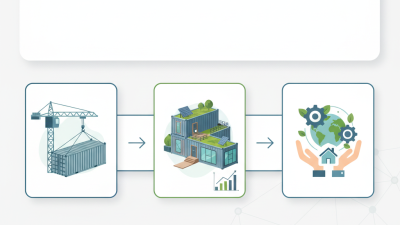
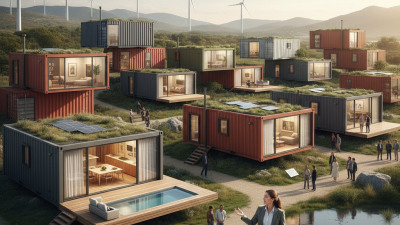
In recent years, prefab container homes have gained popularity for various construction projects. These innovative structures utilize shipping containers, offering efficient and flexible living solutions. Their appeal lies in affordability, quick assembly, and sustainability. Unlike traditional homes, prefab container homes can be customized to meet diverse needs.
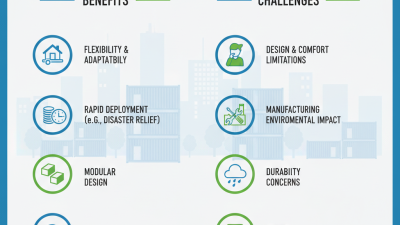
However, choosing prefab container homes involves consideration. Potential buyers must evaluate structural integrity, local regulations, and design limitations. While these homes provide unique benefits, they are not without challenges. For instance, insulation and ventilation are crucial for comfort but can be overlooked.
Overall, prefab container homes present an exciting opportunity for modern living. They can transform how we think about space and sustainability in construction projects. By understanding both the advantages and pitfalls, individuals can make informed decisions about their next building endeavor.
Benefits of Prefab Container Homes in Modern Construction
Prefab container homes have gained traction in modern construction due to their numerous benefits. According to the World Bank, construction projects can see a reduction in waste by up to 90% when using prefab materials. These homes are designed to be environmentally friendly, often repurposing shipping containers that would otherwise go to landfills. This approach not only cuts down on material usage but also promotes sustainable living.
Cost-effectiveness is another significant advantage. A report by McKinsey estimates that projects utilizing prefabricated components can save up to 20% in labor costs. The faster assembly process leads to quicker project completion, which is vital in today's fast-paced environment. However, potential drawbacks include limited design flexibility and the need for proper insulation, especially in extreme climates.
Tips: Always check for local regulations regarding container homes. Some areas have zoning restrictions. Working with an experienced architect can help in navigating these challenges. Consider energy-efficient upgrades during the design phase, such as solar panels or green roofs, to enhance sustainability.
Cost Efficiency: Saving Money on Your Housing Project
Prefab container homes are gaining attention due to their cost efficiency. A report by the National Association of Home Builders suggests that adopting prefab homes can reduce construction costs by approximately 20-30%. This is largely due to streamlined manufacturing processes and less material waste. Moreover, construction time can be cut down significantly, saving both labor costs and time.
On average, traditional homes take about six months to build. In contrast, prefab homes can be completed in a fraction of the time. This acceleration allows developers to generate returns on investment sooner. According to the United States Census Bureau, the average cost per square foot of a traditional home is around $150, whereas a prefab container home typically ranges from $100 to $120 per square foot.
Tip: Consider local zoning regulations before starting your project. It’s crucial to ensure that prefab homes are allowed in the area you want to build. You might also face challenges with financing options. Not all banks offer loans for prefab structures, so research beforehand to avoid potential roadblocks. Weighing options carefully may reveal more financial benefits.
Sustainability: Eco-Friendly Aspects of Container Homes
Prefab container homes present a compelling eco-friendly option for modern construction. Utilizing repurposed shipping containers significantly reduces construction waste. According to a report by the Global Green Building Council, around 30% of all waste generated worldwide comes from construction activities. This makes prefabricated homes a strong candidate for sustainable building solutions.
Container homes also boast excellent energy efficiency. Research indicates that they can be retrofitted with improved insulation and energy systems, reducing energy consumption by up to 50%. The U.S. Department of Energy highlights the impact of energy-efficient designs on lowering carbon footprints. Sustainable materials often accompany these designs, further enhancing environmental benefits.
However, there are challenges in the adoption of container homes. Many builders lack the experience to create energy-efficient designs. Proper installation is also critical—poor insulation can lead to condensation issues. It's essential to weigh these factors when considering prefab container homes for your next project. Understanding these complexities is key to maximizing both sustainability and comfort in eco-friendly living.
Why Choose Prefab Container Homes for Your Next Project? - Sustainability: Eco-Friendly Aspects of Container Homes
Aspect
Details
Material Reuse
Uses repurposed shipping containers, reducing waste and resource consumption.
Energy Efficiency
Easily insulated; energy-efficient designs reduce heating and cooling costs.
Quick Construction
Faster build time compared to traditional homes, minimizing environmental impact during construction.
Transportability
Can be easily relocated, promoting flexibility and reducing land use.
Low Carbon Footprint
Production of container homes generally emits less CO2 compared to traditional building methods.
Design Versatility
Easily customizable and adaptable to various aesthetic and functional needs.
Design Flexibility: Customization Options for Container Architecture
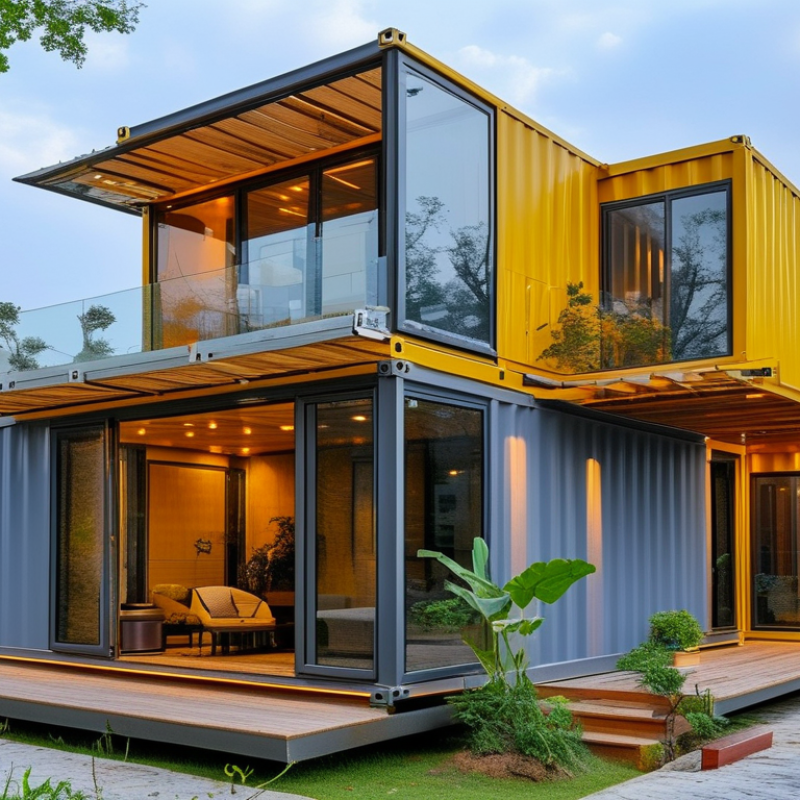
Prefab container homes offer remarkable design flexibility. Their modular nature allows for endless customization options. You can create a small studio or a multi-room family dwelling. Container architecture adapts to various styles, from modern minimalism to rustic charm.
Customization can be seen in materials and layout. Large windows can brighten up the living space. Roof decks or outdoor areas can enhance enjoyment of the surroundings. However, realizing your vision may require careful planning. Not every design can be easily implemented with containers.
Choosing the right finishes is another important aspect. You can opt for eco-friendly insulation materials or unique exterior cladding. These details can influence your home's efficiency and look. Keep in mind that not all concepts fit within a set budget. Balancing aesthetics and practicality is essential for achieving a harmonious result.
Quick Construction Time: How Prefab Homes Accelerate Building Processes
Prefab container homes offer a unique solution for modern construction needs. Their quick construction time significantly accelerates building processes. Unlike traditional homes, prefab units are manufactured off-site. This allows for reduced on-site construction delays.
One key tip is to plan your layout beforehand. Efficient design maximizes space and minimizes wasted materials. You can choose configurations that fit your lifestyle. This upfront planning can be challenging, but it pays off in the end. Mistakes at this stage can lead to costly adjustments later on.
Additionally, consider the local climate and regulations. Some regions may have specific requirements for container homes. Researching these factors early can save time and frustration. Addressing these details may feel tedious, yet it is essential for a smooth build. Ultimately, embracing prefab homes can lead to efficient and reliable housing solutions.
Why Choose Prefab Container Homes for Your Next Project?
This bar chart illustrates the average construction time (in weeks) for different types of homes. Prefab container homes significantly reduce the time needed for construction compared to traditional site-built homes and modular homes.