logo

Top 10 Benefits of Portable Houses for Global Buyers?

The demand for portable houses is rising globally. These innovative homes offer numerous advantages for a variety of buyers. Their flexibility caters to diverse lifestyles and needs. Portable houses provide a unique solution to housing challenges, making them appealing for both urban and rural dwellers.

One significant benefit is affordability. Portable houses can often be more cost-effective than traditional homes. Buyers can save on construction and maintenance costs. Additionally, they can be customized to fit specific requirements. However, this flexibility can lead to decision fatigue. Prospective buyers may struggle to balance personalization with budget constraints.

Another key advantage is mobility. A portable house allows individuals to relocate easily without the hassle of traditional real estate. This feature is particularly enticing for those who frequently move for work or personal reasons. Yet, the transient nature of portable houses may not suit everyone. Some might miss the stability and permanence of a traditional home. Overall, the benefits of portable houses are significant, but they also require careful consideration.

Top 10 Benefits of Portable Houses for Global Buyers?

Advantages of Mobility and Flexibility in Portable Houses

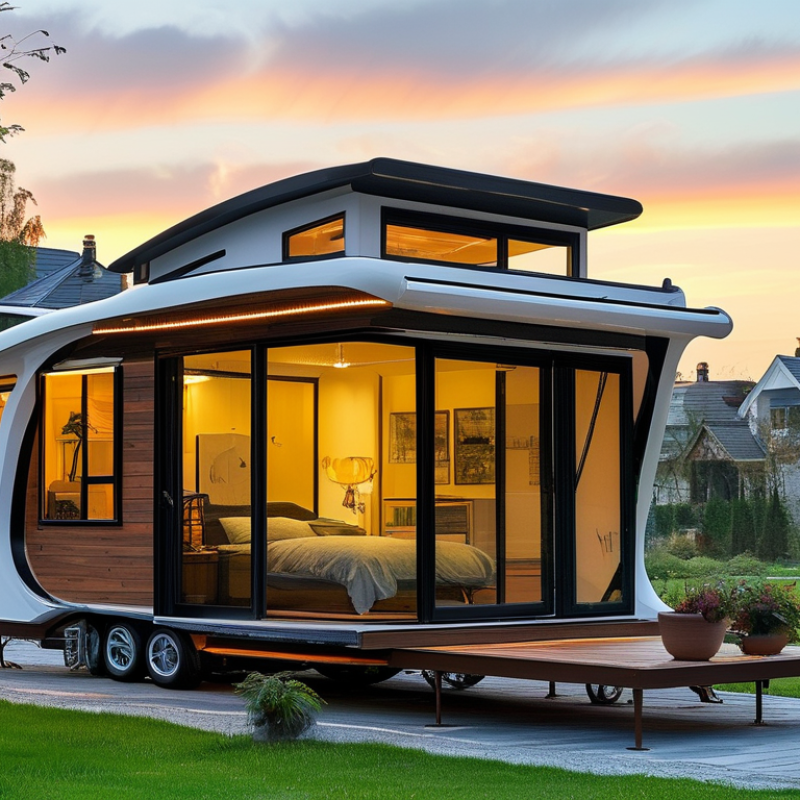
Portable houses offer unparalleled mobility and flexibility, making them an attractive option for many global buyers. These homes can be relocated with ease, allowing individuals and families to change their environment without the hassle of moving traditional properties. This mobility fosters a sense of freedom and adaptability. For example, a portable house can be moved from a bustling urban area to a serene countryside setting. The ability to shift locations opens up new opportunities for work, leisure, and community engagement.

Moreover, the flexibility of portable houses extends beyond location. Many designs cater to diverse lifestyles and needs. Buyers can choose from various layouts, materials, and features. This customization allows for optimal living conditions that align with personal preferences. Some find excitement in creating a unique space that reflects their personality. However, other buyers may struggle with the decision-making process due to the myriad of options available. This can lead to second-guessing and confusion about the best choices for their situation.

While portable houses present significant advantages, challenges remain. For instance, mobility can pose issues in terms of zoning regulations and permits. Buyers must be diligent in understanding local laws. Additionally, portability may lead to concerns regarding space and storage. Balancing the desire for flexibility with practical living needs requires careful consideration. These factors emphasize the importance of thorough research and planning when investing in a portable home.

Top 10 Benefits of Portable Houses for Global Buyers

Benefit Description Impact
Mobility Easily relocate your home to different locations. High
Cost-Effective Lower construction and land acquisition costs. Medium
Environmentally Friendly Reduced waste and energy consumption during construction. High
Quick Setup Fast and easy installation compared to traditional homes. High
Customization Options for various designs and layouts to suit personal needs. Medium
Energy Efficiency Modern technology minimizes energy consumption. High
Resilience Designed to withstand various environmental conditions. Medium
Community Living Potential for creating communities of portable homes. Medium
Financial Freedom Lower financial commitment compared to traditional homes. High
Temporary Housing Solutions Perfect for people in transition or temporary work assignments. Medium

Cost-Effectiveness: Affordable Housing Solutions for Buyers

Portable houses are gaining traction among global buyers for several reasons, with cost-effectiveness at the forefront. These homes provide an affordable housing solution, ideal for individuals or families with tight budgets. They often require less initial investment than traditional housing. This affordability allows buyers to allocate funds towards other essential aspects of their lives, such as education or healthcare.

The design of portable houses often incorporates efficient use of space. Many of these units come with energy-efficient features that can reduce utility bills over time. Buyers often appreciate the flexibility; they can relocate their homes without the additional costs associated with purchasing new land. However, these structures can sometimes have limitations in durability. Buyers should reflect on whether they prefer the mobility of portable homes over the stability of conventional houses.

Beyond cost savings, portable houses offer simplicity and minimalism. They encourage a lifestyle that values experiences over possessions. Though some may worry about the perceived lack of space and permanence, many find that downsizing leads to greater financial freedom. This shift in mindset can be challenging but ultimately rewarding, as it fosters a deeper appreciation for what truly matters.

Sustainability: Eco-Friendly Aspects of Portable House Design

Portable houses are gaining attention for their eco-friendly benefits. Their design often incorporates sustainable materials. This contributes to reduced carbon footprints. Many portable homes utilize recycled resources. This method minimizes waste and promotes environmental health.


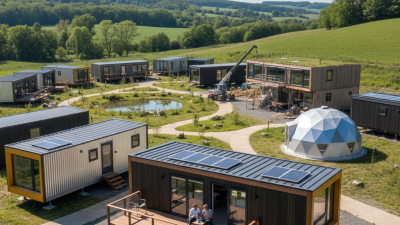
Creating energy-efficient systems is crucial. Solar panels are often integrated into portable designs. They harness renewable energy, reducing reliance on fossil fuels. Additionally, natural insulation can optimize climate control. This can lead to lower energy costs and increased comfort.


When considering a portable house, evaluate your lifestyle. Think about the environmental impact of your choices. Prioritize designs that promote sustainability and resource efficiency. Reflecting on these aspects can lead to better decisions. A portable house is not just about mobility; it’s an opportunity to embrace a greener way of living.

Quick Setup and Installation: A Time-Saving Housing Option

Portable houses present an exciting solution for those seeking efficient living spaces. One significant advantage is their quick setup and installation process. Imagine receiving a home that can be assembled in a matter of days instead of months. This swift transition is essential for many buyers, especially in areas with housing shortages or natural disasters. It allows families to settle quickly and resume normal life with minimal disruption.

Furthermore, portable houses can adapt to different environments. When relocated, they require little more than a flat surface. This flexibility can be a double-edged sword; while it is convenient, the ease of movement may lead buyers to overlook factors like local zoning laws. Some people may also be unsure about the durability of these structures. How well will they stand the test of time? Experience indicates that, with proper maintenance, many portable homes can provide reliable shelter for years. Buyers should research carefully and consult experts to understand the long-term implications of their choices.

Top 10 Benefits of Portable Houses for Global Buyers

Versatile Uses: From Vacation Homes to Disaster Relief Shelters

Portable houses offer remarkable versatility, serving various functions from serene vacation homes to pivotal disaster relief shelters. The International Federation of Red Cross and Red Crescent Societies highlights the growing need for temporary shelters, noting that natural disasters displace millions annually. Portable homes provide rapid response options. They can be deployed quickly, making them essential in crisis situations.

Research indicates that the market for portable houses is expanding at a compound annual growth rate of 10% through 2026. This growth reflects rising interest in affordable and flexible living solutions. For vacationers, these homes offer a blend of mobility and comfort. They can easily adapt to different environments, from beaches to mountains, enabling memorable experiences.

However, challenges exist. For instance, the quality of portable houses varies significantly. Some might struggle to provide adequate insulation, making comfort inconsistent. Buyers should consider durability and energy efficiency. Thorough evaluations ensure a reliable choice, balancing cost and quality. As interest in sustainable living builds, the demand for well-constructed portable homes will likely increase.