logo

Top Prefab House Trends for 2026 What to Know?

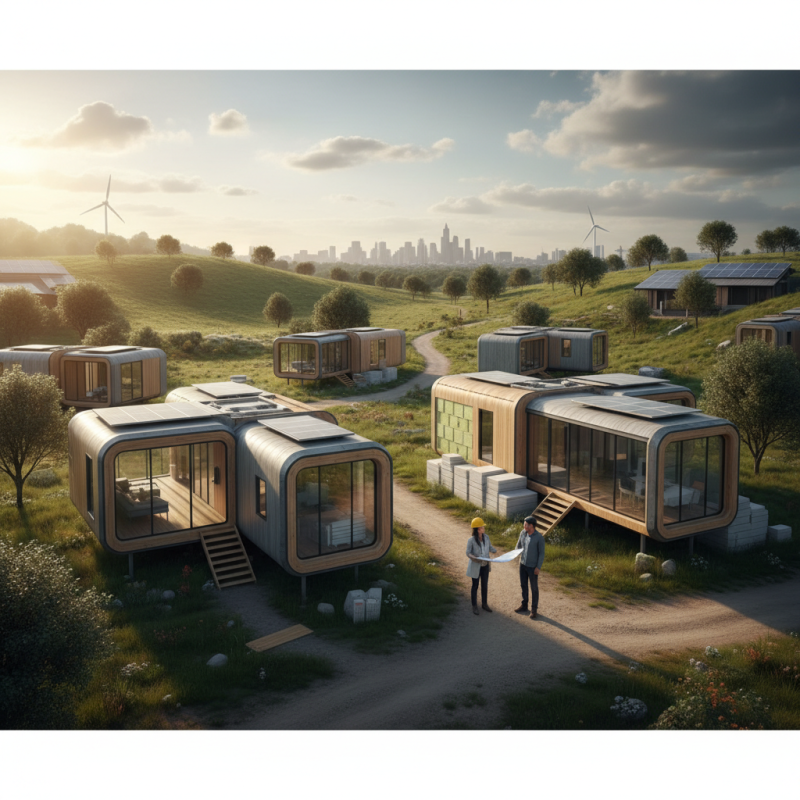
As the trend of prefab houses continues to gain momentum, experts are weighing in on what the future holds. Renowned architect Sarah Johnson states, “Prefab homes are redefining our approach to sustainable living.” This sentiment resonates deeply as we look toward 2026. Today, many people desire homes that are not only eco-friendly but also affordable and quick to build.

The shift toward prefab houses reflects a growing awareness of climate change and resource management. These homes are modular, allowing for innovative designs that can adapt to various landscapes. However, it’s important to recognize that the prefab industry still faces challenges. Quality control remains a pressing issue, as not all manufacturers adhere to the same high standards. Consumers must be cautious when choosing a supplier.

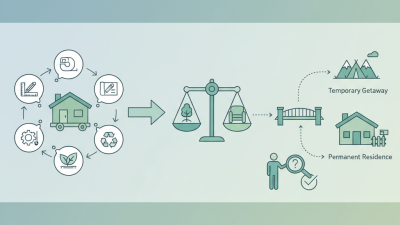
Additionally, the perception of prefab houses often needs adjustments. Many still associate them with temporary structures or low quality. Yet, modern designs challenge these stereotypes. As we explore the top prefab house trends for 2026, it’s vital to keep in mind that while the industry evolves, ongoing scrutiny and reflection are necessary to ensure that sustainability and quality are prioritized in the future.

Top Prefab House Trends for 2026 What to Know?

Top Prefab House Trends Shaping the Market Landscape in 2026

Top Prefab House Trends for 2026 What to Know?

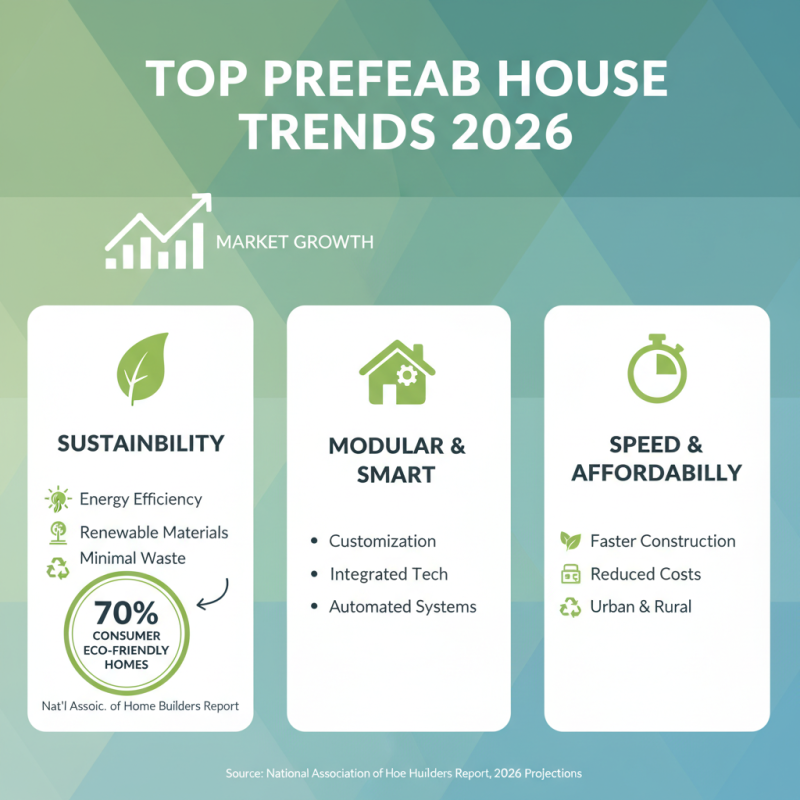
The prefab house market is rapidly evolving. By 2026, sustainability will dominate. According to a report by the National Association of Home Builders, 70% of consumers prefer eco-friendly homes. This trend emphasizes energy efficiency, renewable materials, and minimal waste.

People are seeking customization in their living spaces. A study from the Modular Building Institute shows that 55% of buyers prioritize designs that fit their lifestyle. Prefab homes offer flexibility, allowing individuals to adapt layouts and aesthetics to personal taste. However, this customization can sometimes complicate the building process.

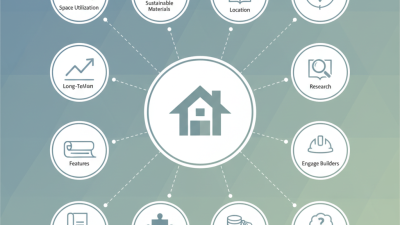
Tips: When choosing a prefab home, consider your long-term needs. Think about future expansions and functionality. Moreover, research local regulations. They can vary significantly, impacting your project timeline and costs. The desire for innovation also brings challenges. While technology enhances efficiency, it may lead to unforeseen complexities during installation.

Sustainable Materials Driving Prefab Construction Choices by 2026

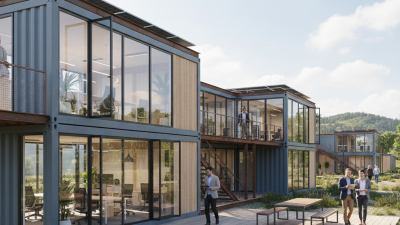
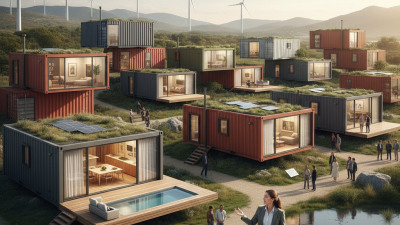
The rise of prefab houses in 2026 is closely linked to the use of sustainable materials. Eco-friendly choices have become crucial in construction. Builders are opting for recycled steel and reclaimed wood for their projects. These materials not only reduce waste but also enhance the aesthetic appeal of homes. Many homeowners are now more conscious about their environmental footprint.

Innovative materials like bamboo and cork are gaining traction. Bamboo grows rapidly, making it a renewable resource. Cork, harvested from the bark of trees, is also sustainable and has great insulation properties. Such materials offer durability along with a lower environmental impact. The look and feel of homes are changing with these green choices, making them more inviting.

However, there are challenges to consider. Sourcing sustainable materials can increase costs. Quality may vary, and consumers might find it difficult to choose the best options. Education about these materials is essential. Trends show that while sustainability is a priority, affordability and quality should not be compromised. Balancing these factors can lead to more sustainable living without sacrificing comfort.

Top Prefab House Trends for 2026

Smart Home Technology Integration in Prefab Designs for Modern Living

The integration of smart home technology into prefab designs is reshaping modern living as we approach 2026. Statistics from industry reports indicate that nearly 40% of homeowners are prioritizing smart features in their new homes. This trend highlights the demand for better convenience and energy efficiency.

Many prefab homes now come equipped with smart thermostats, security systems, and energy management tools. These technologies allow homeowners to manage their homes remotely, adding significant convenience. However, as the technology evolves, questions arise about interoperability between devices. Inconsistencies in device performance can lead to frustration for users.

Furthermore, sustainability remains a key concern. A report by the International Energy Agency states that homes that use smart technologies can reduce energy consumption by up to 30%. Yet, the initial investments in smart technology can be high. Many potential homeowners are wary of this upfront cost. Balancing cost with long-term gains in efficiency can be a tricky decision.

Top Prefab House Trends for 2026

Trend Description Key Features Benefits
Smart Home Integration Integration of smart technology for enhanced living. IoT devices, smart lighting, security systems. Increased convenience and security.
Sustainable Materials Use of eco-friendly materials in construction. Recycled materials, low carbon footprint. Reduced environmental impact.
Modular Design Flexible layout options with modular components. Expandable spaces, customizable layouts. Adapts to changing needs.
Energy Efficiency High-performance insulation and energy-saving systems. Solar panels, energy-efficient appliances. Lower utility bills and ecological footprint.
Smart Accessibility Features Design for universal access. Wide doorways, automated entrances. Makes homes livable for everyone.

Cost Efficiency: Comparing Prefab Houses to Traditional Builds in 2026

When evaluating cost efficiency, prefab houses present a compelling option compared to traditional builds in 2026. Prefab homes are typically produced in a controlled factory setting, reducing waste and labor costs. This efficiency translates to lower overall project expenses, making them attractive for budget-conscious homeowners. In many cases, site preparation and construction happen simultaneously, significantly shortening the build time and further cutting down costs.


However, there are nuances to consider. While the initial price tag for prefab homes may be lower, customization options can quickly add up. Potential buyers need to weigh their desire for unique designs against the cost implications. Additionally, the financing for prefab homes can sometimes be less accessible than for conventional houses. Buyers may face additional scrutiny from lenders, impacting their purchasing decisions.


Investing in prefab houses also depends on local regulations. Some regions may have stricter zoning laws, making approvals challenging. Homebuyers should conduct thorough research to understand local requirements. Overall, while prefab housing offers clear financial benefits, the journey requires thoughtful planning and consideration.

Growing Demand for Customizable Prefab Solutions Among Homebuyers

Top Prefab House Trends for 2026 What to Know?

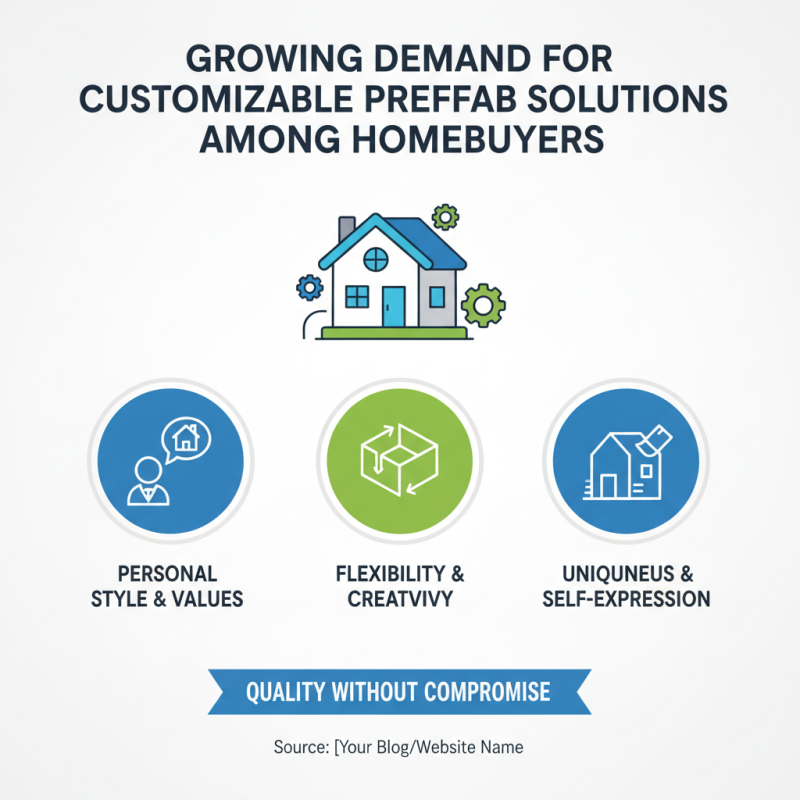
The growing demand for customizable prefab solutions reflects changing homebuyer preferences. More individuals want homes that fit their personal styles, values, and needs. They seek spaces that offer flexibility and creativity without compromising quality. Customizable designs are not just a trend; they reflect a desire for uniqueness and self-expression in homeownership.

Homebuyers are increasingly focusing on eco-friendly materials and energy-efficient features. They want homes that not only provide comfort but also align with sustainable living practices. Prefabricated homes can incorporate solar panels and smart home technologies. These innovations can help create a unique and efficient living space. However, some buyers express concerns about the quality of materials used in prefab homes. They worry that low-cost options may lead to short-lived structures.

Customization also comes with challenges. Buyers might struggle with overwhelming choices, making it hard to define their ideal home. Additionally, budget constraints can limit options, leading to dissatisfaction. The journey to create a personalized space is not always smooth. Yet, the push for customizable prefab homes continues, driven by a desire for innovation and personal connection in living environments.