Top 10 Folding House Designs for Global Buyers in 2026?
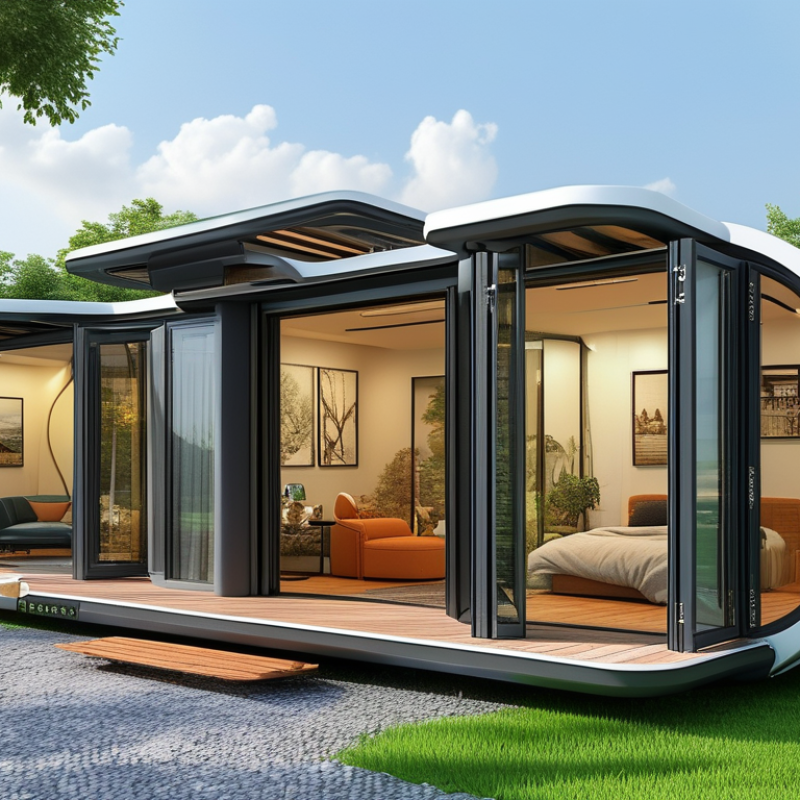
In recent years, the concept of a "folding house" has gained significant traction among homebuyers worldwide. This innovative approach to housing offers flexibility and sustainability, catering to diverse lifestyles and preferences. Folding houses provide practicality and can be easily transported, making them suitable for various environments.
As we look to 2026, designers are exploring creative ways to enhance these structures. Features such as smart technology integration and eco-friendly materials are becoming the norm. Potential buyers can expect designs that optimize space and offer modular solutions.
However, challenges remain. Not all folding house designs have met the durability and aesthetic standards that buyers desire. Some structures may compromise comfort for mobility. As the market evolves, it is crucial to balance innovation with reliability. The next generation of folding houses must not only address these issues but also provide real solutions for global buyers.
Overview of Folding House Designs and Their Global Appeal
Folding houses are gaining traction worldwide due to their innovative designs and space efficiency. These homes can be easily transported and assembled, making them appealing for diverse climates and landscapes. A recent study by the Global Modular Construction Report indicates that the modular building market is projected to reach $157 billion by 2026, with folding houses accounting for a notable share.
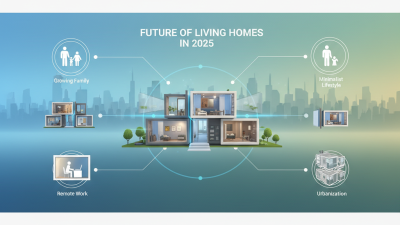
In urban areas, where space is limited, folding houses offer a practical solution. They can adapt to various settings, whether in crowded cities or rural areas. According to industry experts, over 60% of young buyers are interested in flexible living options. This demographic trend suggests a shift towards more adaptable housing solutions, especially among millennials and Gen Z.
Designing a folding house requires careful consideration of materials and functionality. While many designs focus on aesthetics, ensuring long-term durability is crucial. Owners should also consider local weather conditions when selecting a model. Selecting the right design can enhance appeal and longevity. Balancing style with practicality may require some experimentation. Choosing eco-friendly materials can add both value and environmental benefit.
Key Features of Innovative Folding Houses for Modern Buyers
Folding houses are redefining modern living. These innovative designs blend versatility with functionality. In 2026, buyers are keen on features that go beyond mere aesthetics. Statistics show that nearly 30% of urban dwellers are interested in compact living solutions. Lightweight materials and modular designs are paramount. They offer easy assembly and disassembly.
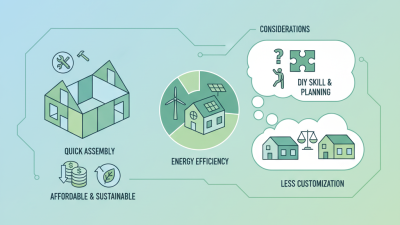
Energy efficiency is another critical factor. Reports indicate that houses with integrated solar panels can reduce energy costs by up to 70%. Sustainability attracts eco-conscious buyers as well. Many folding houses use recycled materials, lessening environmental impact. This trend resonates strongly with millennials and Gen Z.
Space optimization plays a vital role too. Innovative storage solutions maximize utility without sacrificing comfort. Yet, these designs are not without challenges. Some buyers worry about longevity and weather resistance. Addressing these concerns is essential for broader acceptance. The evolving market indicates a need for continuous improvements in design and durability.
Top 10 Folding House Designs: Style, Functionality, and Sustainability
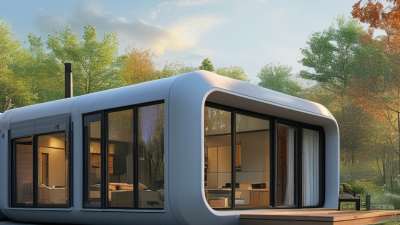
Folding house designs are gaining popularity for their unique blend of style, functionality, and sustainability. These homes are not just compact; they're versatile. They adapt to various living needs while minimizing their environmental impact. Many designs use eco-friendly materials and innovative engineering. This makes them appealing to global buyers who prioritize sustainability.
Choosing the right folding house requires careful consideration. Think about the climate and location. Some designs excel in warm areas, while others perform better in harsher conditions. Ensure your layout maximizes natural light and airflow. This boosts comfort and reduces reliance on artificial heating and cooling methods.
Consider modular options for future expansion. Flexibility is a key feature of folding houses. As your needs change, these homes can grow with you. However, not all designs allow for easy alterations. Research thoroughly before making a decision. Evaluate the structural integrity and adaptability of your choice. The right design should provide comfort and functionality for years to come, while also meeting your aesthetic preferences.
Top 10 Folding House Designs for Global Buyers in 2026
Design Name
Size (sq ft)
Material
Price (USD)
Eco-Friendly Features
Compact Fold
400
Recycled Steel
30,000
Solar Panels
Eco Nest
600
Wood and Glass
45,000
Rainwater Harvesting
Modular Haven
750
Bamboo
55,000
Natural Insulation
Omni Fold
500
Aluminum
35,000
LED Lighting
Minimalist Shelter
300
Concrete
25,000
Green Roof
Folding Cube
350
Synthetic Fabric
20,000
Biodegradable
Smart Fold
800
Glass and Metal
70,000
Smart Home Technology
Flexi-Dwelling
900
Lightweight Steel
65,000
High Efficiency Windows
Urban Retreat
700
Wood Composite
50,000
Energy Star Rated
Comparative Analysis of Building Materials for Folding Houses
In 2026, the appeal of folding houses will grow, driven by innovative building materials. These structures offer flexibility, space-saving designs, and environmental sustainability. Analyzing materials like engineered wood can provide insights into their durability. Engineered wood is lightweight and resistant to warping, making it ideal for mobile homes. Steel frames offer strength and resilience but may not retain heat effectively. Balancing these factors is crucial for homeowners.
Using sustainable materials can significantly impact energy efficiency. Bio-based composites are lighter yet strong, contributing to a reduced carbon footprint. However, their long-term performance remains uncertain. A proper evaluation of these materials can reveal the best choices based on climate and usage.
When selecting materials, consider local climate conditions and potential maintenance issues. Each material has its strengths and weaknesses. An informed decision will depend on individual needs and environmental factors. Builders must remain flexible, adapting designs and materials as required. An ongoing assessment of emerging technologies in this field is essential for sustainable building practices.
Market Trends and Future Predictions for Folding Houses in 2026
In 2026, the folding house market is poised for significant growth. These innovative structures offer flexibility and efficiency, meeting the demands of urban buyers. As more people seek affordable and sustainable housing, folding houses become an attractive option. Compact designs save space, while modular features allow customization for individual needs.
For buyers exploring options, consider location carefully. The right environment enhances both value and livability. Understand local regulations; they may affect installation and usage. Urban areas may offer more amenities, while rural settings provide tranquility.
Keep in mind that trends evolve. Designers are increasingly focusing on eco-friendly materials and smart technology. A foldable house can complement sustainability goals. However, durability remains a concern. It's essential to assess construction quality against convenience.
When making a decision, evaluate practical aspects. Think about future growth. Ideally, a folding house should accommodate changing lifestyle needs. A close examination ensures your investment aligns with both current demands and future expectations.
Top 10 Folding House Designs for Global Buyers in 2026