logo

Ultimate Tips for Choosing the Perfect Portable House for Your Needs

In today's fast-paced world, the idea of a portable house has gained immense popularity as a flexible and practical living solution. Experts in the field, such as John Smith, a renowned architect specializing in sustainable housing, emphasize that "a portable house can redefine the boundaries of traditional living by offering mobility and adaptability to modern lifestyles." As people seek innovative ways to balance comfort and sustainability, the portable house emerges as a viable alternative to conventional homes.

When choosing the perfect portable house, it is essential to navigate the myriad of options available in the market. Factors such as size, design, functionality, and energy efficiency play a crucial role in determining the right fit for your lifestyle and needs. As the demand for eco-friendly and customizable living spaces grows, understanding the unique benefits and challenges associated with portable houses becomes imperative for potential buyers.

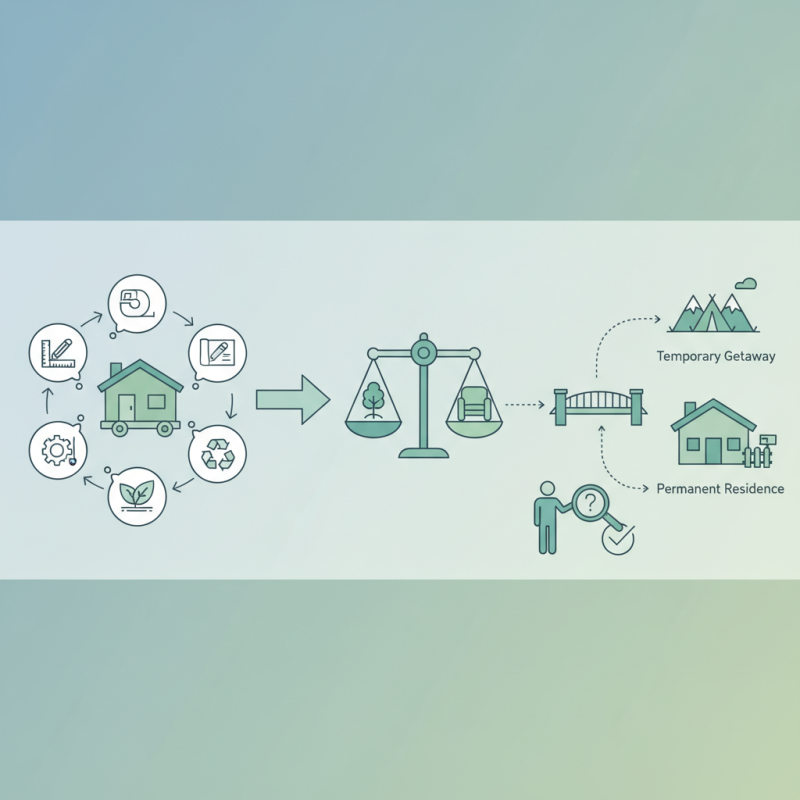
This guide aims to provide you with ultimate tips that will empower you to make an informed decision in selecting the perfect portable house. Whether you are looking for a temporary getaway or a permanent residence, the insights shared herein will ensure that your choice aligns with your personal preferences and environmental values.

Ultimate Tips for Choosing the Perfect Portable House for Your Needs

Understanding Different Types of Portable Houses Available in the Market

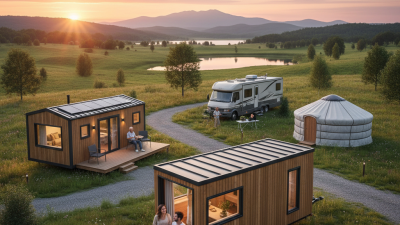
When considering a portable house, it’s essential to explore the various types available in the market. One popular option is the tiny house, which offers a compact living space ideal for those searching for a minimalistic lifestyle. These houses often come on wheels, making them easy to relocate. They can be customized to suit personal tastes and typically include essential amenities, ensuring comfort within a smaller footprint.

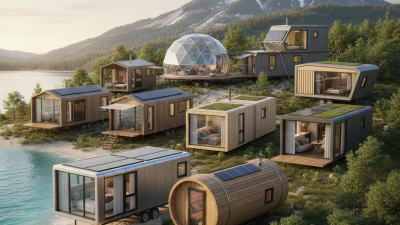
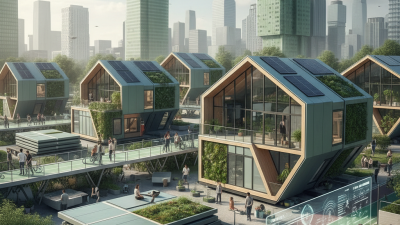
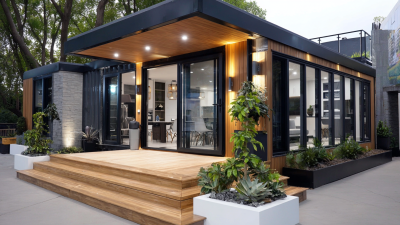
Another type of portable house is the modular home, which is constructed in sections and can be transported to different locations. Modular homes provide a more spacious option compared to tiny houses and can be designed to reflect specific architectural styles. They offer flexibility in terms of layout and are built with durability in mind, making them suitable for a variety of living situations. Additionally, these homes can incorporate sustainable materials and energy-efficient designs, appealing to environmentally conscious buyers.

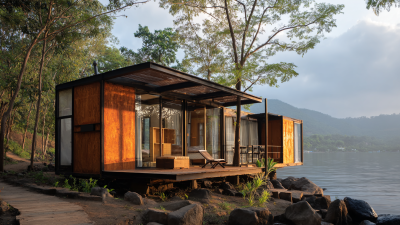
Lastly, prefabricated cabins are an attractive choice for those seeking a rustic setting. Often made from wood, these cabins are easy to assemble and can be used as vacation homes or permanent residences. They vary in size and style, allowing homeowners to select a design that matches their aesthetic preferences while ensuring portability. Each type of portable house comes with its unique benefits, making it crucial to identify which best aligns with your lifestyle and needs.

Assessing Your Space Requirements for a Portable House

When considering a portable house, the first step is to assess your space requirements carefully. Think about the number of people who will be using the space and their specific needs. For instance, if the portable house is intended for a family, you'll want to ensure there are separate sleeping areas, a communal living space, and adequate storage for personal belongings.
Evaluate how each person's needs will vary based on age, lifestyle, and preferences, which will help you determine the dimensions and layout that will work best for everyone involved.

Additionally, it's crucial to consider the intended use of the portable house. Are you looking for a weekend getaway, a full-time residence, or a temporary living solution during a transition? Each scenario will impact how you should approach your space requirements. For example, if the portable house is mainly for weekends, you might prioritize comfort and leisure spaces over extensive storage. Conversely, for long-term living, functionality and efficiency must take precedence. By reflecting on these factors, you can make informed decisions that lead to a portable house perfectly suited to your life and needs.

Evaluating Budget Considerations for Your Portable House Purchase

When considering the purchase of a portable house, budget is a crucial factor that can significantly impact your decision-making process. According to a recent report by the National Association of Home Builders, the average cost of portable houses can range from $20,000 to over $100,000, depending on size, materials, and custom features. This broad price range makes it essential to establish a budget that aligns with your financial capacity while still fulfilling your housing needs.

To keep your expenses in check, it's advisable to prioritize your requirements. Start by creating a list of must-have features and optional upgrades. For example, while energy-efficient appliances and high-quality insulation can add to the initial cost, they may offer significant long-term savings on utility bills. Additionally, consider the ongoing expenses associated with maintenance, site preparation, and land acquisition, which can add 10-15% to your overall budget.

Tip: Always account for potential hidden costs in your budget. These can include delivery fees, foundation work, and utility connection charges. Engaging with professionals who specialize in portable housing can also provide insights into cost-effective solutions and financing options, ensuring that you make an informed and economical decision.

Budget Considerations for Choosing a Portable House

Exploring Essential Features and Amenities in Portable Housing

When considering a portable house, it is essential to evaluate the features and amenities that best fit your lifestyle and needs. Recent industry reports indicate that over 60% of consumers prioritize energy efficiency when choosing portable housing. This reflects a growing trend towards sustainable living, where features such as solar panels, high-quality insulation, and energy-efficient appliances play a crucial role in decision-making. Homes that incorporate these features not only reduce environmental impact but also lower utility bills, making them more attractive to budget-conscious buyers.

Energy Efficient Home

Another significant aspect to consider is the layout and space utilization of the portable house. According to the National Association of Home Builders, modern portable homes now emphasize multifunctional spaces that adapt to various needs. For instance, designs that integrate expandable living areas, convertible furniture, and efficient storage solutions can significantly enhance livability in smaller footprints.

Reports suggest that homes with smart storage solutions increase perceived space and comfort, which is especially vital for those living in compact environments. Features like built-in shelving, under-bed storage, and modular kitchen designs can optimize the available space and ensure functionality without sacrificing style.

Researching Local Regulations and Zoning Laws for Portable Houses

Ultimate Tips for Choosing the Perfect Portable House for Your Needs

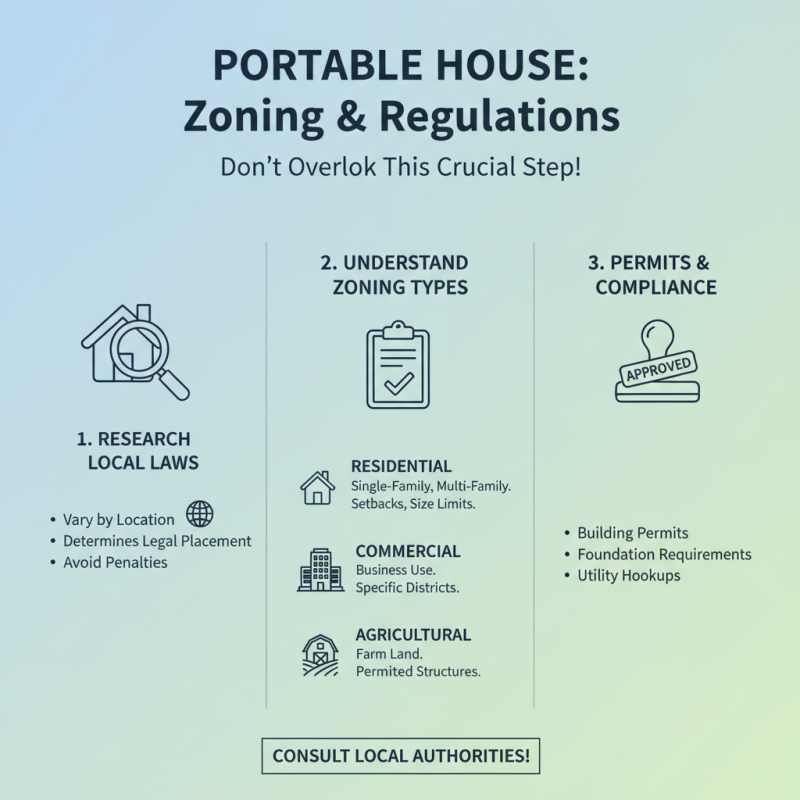
When considering the purchase of a portable house, understanding local regulations and zoning laws is a crucial step that often gets overlooked. These regulations can vary significantly from one location to another and can determine where you can legally place your portable house. It is essential to research the specific zoning laws in your area to ensure compliance. Many municipalities have specific designations for residential, commercial, and agricultural zones, each with its own set of rules regarding portable structures.

Tip 1: Start by contacting your local planning or zoning office to obtain information about the rules that may apply to portable housing in your desired location. This includes exploring any permits that may be required, as well as limitations on size, height, and even aesthetic considerations.

In addition, some areas may have homeowner association (HOA) regulations that can impose further restrictions, even if local laws permit portable houses. It’s advisable to review these guidelines carefully.

Tip 2: Consider visiting websites dedicated to local government regulations or community bulletin boards. These resources can provide insights into ongoing discussions about portable housing and may highlight any upcoming changes that could influence your choices.

By doing thorough research on local regulations and zoning laws, you can confidently navigate the process of selecting the right portable house that meets your needs while adhering to legal requirements.