10 Tips for Choosing the Best Expandable Container House?
The rise of the expandable container house reflects a significant shift in modern housing solutions. According to a 2021 report from Global Industry Analysts, the modular construction market is projected to reach $157 billion by 2026. This trend illustrates a growing demand for flexible housing options that can adapt to changing lifestyles and living conditions. Expandable container houses are at the forefront of this innovation, appealing due to their sustainability and efficiency.
When selecting the best expandable container house, it is essential to consider several factors. Not all container homes offer the same level of quality or design. In fact, a report by McKinsey indicates that quality issues can significantly affect longevity and livability, making informed choices vital. Evaluating design, insulation, and expansion capabilities is crucial. These elements can determine the overall comfort and functionality of the living space.
Attention to detail can significantly enhance your investment. Be mindful of design flaws or supply chain issues that may arise in this evolving industry. Every decision matters when it comes to building a space that meets your needs. Therefore, understanding what each expandable container house offers will ensure that your choice aligns with your expectations and lifestyle.
Understanding Expandable Container Houses: Overview and Benefits
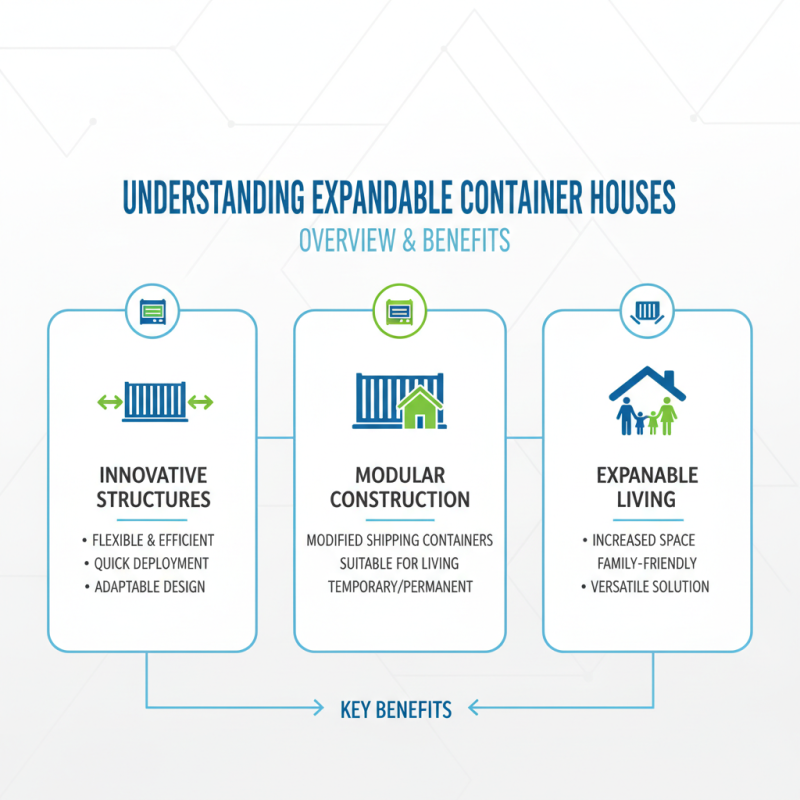
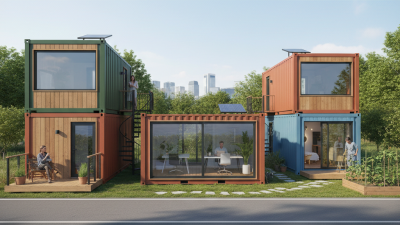
Expandable container houses are innovative structures that offer flexibility and efficiency. They can be quickly deployed and adapted to various needs. These homes are constructed using shipping containers that are modified for living purposes. The design allows for expansion, making them suitable for families or individuals seeking a temporary or permanent living solution.
One significant benefit is their sustainability. Utilizing recycled materials reduces waste in landfills. However, choosing the right expandable container house requires careful thought. Consider space, layout, and intended use. Many designs may lack in some areas, like natural lighting or airflow. It's essential to evaluate if they meet your lifestyle needs.
Cost-effectiveness is another aspect to ponder. While initial expenses can be lower than traditional homes, long-term maintenance is crucial. Some may find they need more than they anticipated. Pay attention to the quality of insulation and amenities. Balancing initial costs and future requirements can be challenging but worthwhile.
Identifying Your Space Requirements for an Expandable Container House
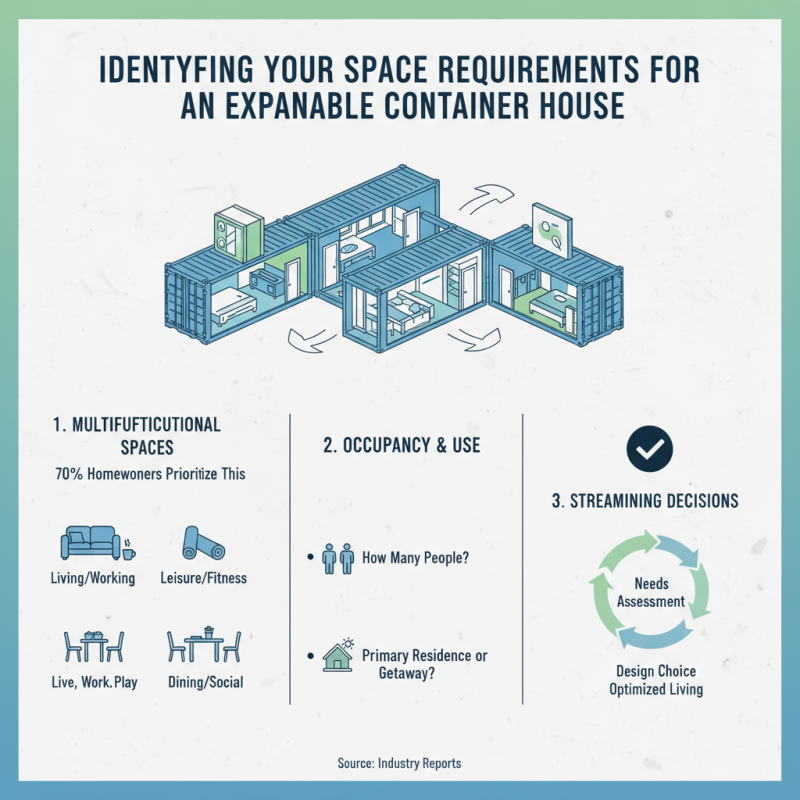
When considering an expandable container house, defining your space requirements is crucial. Industry reports indicate that over 70% of homeowners prioritize multifunctional spaces. Whether for living, working, or leisure, understanding your needs helps streamline your decision-making process. Think about how many people will use the space. Will it serve as a primary residence or a temporary getaway?
Another factor to think about is the layout. Open concepts remain favored, offering flexibility. Yet, according to a study by the Container Housing Association, too many open areas might lead to clutter without clear division. Consider including designated areas for different activities. This can enhance comfort and functionality while preventing chaos. Assign at least 120 square feet for essential living spaces. This ensures adequate room for any necessary furnishings, creating a balanced environment.
Don’t overlook future adaptations. You might want to expand or modify the container house later. Think about accessibility for additional storage or extra rooms. Potentially, even the village or community regulations on container homes may change. The key is to create a clear picture now while remaining open to future adjustments. Balancing immediate needs with long-term plans will enhance your living experience.
Key Features to Consider in Expandable Container House Design
When designing an expandable container house, consider essential features that enhance usability and comfort. An adaptable layout is crucial. This allows for flexible room configurations. Users can modify spaces to suit their needs. Ensure the materials used are durable and insulated. Quality insulation can significantly improve energy efficiency, making living more comfortable.
Natural light is another key aspect. Large windows and skylights can brighten the interiors. This reduces reliance on artificial lighting, hence saving energy. Additionally, focus on ventilation. Proper airflow systems prevent moisture build-up, maintaining a healthy environment. Think about modular furniture as well. It maximizes space efficiency, making small areas feel more abundant.
Don't overlook aesthetic considerations. A pleasing design can improve the living experience. However, balance aesthetics with functionality. Remember, sometimes form doesn’t meet function. Evaluate the accessibility of your design. Consider how different ages and abilities might interact with your space. Reflecting on these aspects ensures a well-rounded container house that truly meets your needs.
10 Tips for Choosing the Best Expandable Container House
Feature
Description
Importance
Space
Evaluate available space and layout options for expansion.
High
Material Quality
Ensure the materials are durable and suitable for climate.
High
Insulation
Check for adequate insulation for energy efficiency.
Medium
Design Flexibility
Choose a design that allows for future modifications.
High
Sustainability
Look for eco-friendly options and energy-efficient designs.
High
Cost
Assess total costs including installation and maintenance.
Medium
Mobility
Consider the ease of relocating the container house.
Medium
Local Regulations
Check local zoning laws and building regulations.
High
Aesthetics
Ensure the design fits your personal style and preference.
Medium
Ventilation
Proper ventilation is essential for comfort and air quality.
High
Evaluating Material Quality and Insulation Options
When selecting an expandable container house, material quality is crucial. High-quality materials ensure durability and longevity. Look for containers made from steel or high-grade composites. These materials resist weather-related wear. Additionally, pay attention to the finish. A proper coating prevents rust and degradation over time.
Insulation options significantly affect your home’s comfort. Common choices include spray foam and fiberglass insulation. Spray foam provides an airtight seal, ideal for extreme climates. On the other hand, fiberglass is more eco-friendly but requires proper installation. Consider the local climate when making your choice. In colder regions, effective insulation prevents heat loss.
Be mindful of the cost vs. benefits. Cheaper options often lead to problems later. Investing in robust materials and insulation might save money in the long run. There’s no perfect solution; each option has trade-offs. Assess your needs carefully to find the right balance.
Material Quality and Insulation Options for Expandable Container Houses
Budgeting for Purchase and Installation of Container Housing
Budgeting for the purchase and installation of an expandable container house can be challenging. According to a recent industry report, many buyers underestimate costs. The average price of a container home falls between $10,000 and $35,000. However, additional expenses such as land preparation, permits, and utilities can quickly inflate this budget.
Moreover, installation costs can be tricky to navigate. Data reveals that site preparation, leveling, and foundation work range from $5,000 to $20,000. It’s crucial to account for these factors in your budget. Also, many buyers overlook the potential need for renovations or customizations. Installing insulation, plumbing, or electrical systems can add thousands to your total cost.
Reflecting on these points can prevent overspending. It’s essential to research thoroughly and consult industry experts. Skipping this process often leads to financial strain. Having a clear budget and breaking down each component can enhance clarity. Investing in quality materials and labor ensures a durable product, which may prove financially beneficial over time.