
logo

What Is a Rubber Dust Boot and How Does It Work?

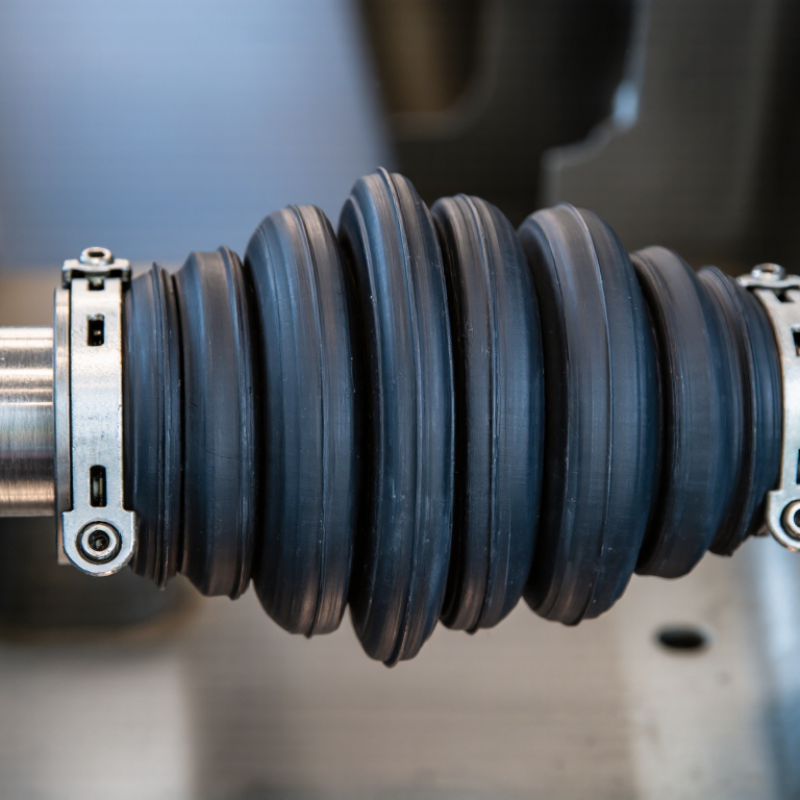
A rubber dust boot is a flexible protective cover designed to keep dust, dirt, moisture, and small particles away from moving mechanical parts. You may find it around ball joints, tie rods, CV joints, shock absorbers, and industrial linkages. Its shape often resembles a short bellows or sealed sleeve. When the component moves, the boot stretches, folds, and compresses without exposing the joint.

The working principle is simple but important. The boot forms a barrier around the connection, while grease remains inside to reduce friction and wear. Its flexible rubber walls follow movement and help prevent contaminants from reaching polished surfaces or bearings. In real maintenance work, a small split can matter. Dirt may enter quietly, while grease slowly escapes onto nearby parts. The damage is not always obvious at first.

Material quality affects service life. Nitrile rubber can resist oils well, while EPDM often performs better against weather and some chemicals. Correct sizing also matters. A boot that is too tight may tear during movement. One that is too loose may allow contamination around the opening. Manufacturers and experienced technicians usually check temperature, movement range, lubricant type, and installation pressure before choosing a replacement.

A rubber dust boot is not a perfect barrier. It can age, harden, or crack. Regular inspection remains essential. Look for cuts, swelling, loose clamps, unusual grease, or fine cracks around folded areas. Understanding these details helps readers select suitable parts and recognize problems before a protected joint becomes an expensive repair.

What Is a Rubber Dust Boot and How Does It Work?

Definition and Purpose of a Rubber Dust Boot

What Is a Rubber Dust Boot and How Does It Work?

A rubber dust boot is a flexible protective cover used around joints, shafts, pistons, and other moving parts. Its main purpose is simple: block dust, water, road salt, and abrasive grit. At the same time, it helps retain grease inside the joint. Without this barrier, a small particle can behave like sandpaper against polished metal surfaces.

The boot flexes as the component moves. Its ribs expand, compress, and bend without opening the sealed area. Material selection matters. Rubber must resist heat, oil, ozone, and repeated stretching. A 2024 Grand View Research report estimated the global automotive rubber-molded components market at over USD 40 billion, with steady growth through 2030. That scale reflects how widely these protective parts are used. It does not guarantee quality.

Not quite.

In workshop inspections, a boot may look intact while its inner lip has hardened or lost tension. ISO 1817 immersion testing evaluates how rubber changes after contact with fluids. Heat-aging methods under ISO 188 also reveal cracking and loss of elasticity. These tests support professional material decisions, but real service conditions remain messier.

A boot exposed to mud, heat, and sharp steering angles may fail earlier than laboratory results suggest. I think this is where maintenance advice often becomes too confident. Inspect folds, clamps, grease leakage, and surface cracks together. A clean outer surface proves very little.

Key Materials and Structural Features

A rubber dust boot is a flexible barrier around a moving joint, shaft, or actuator. Its main job is simple: keep abrasive dust, water, and road salt away from precision surfaces. The material choice is less simple. Common compounds include natural rubber, nitrile rubber, EPDM, neoprene, and silicone. Nitrile resists petroleum-based grease well, while EPDM performs better against weather, ozone, and water. Silicone tolerates wider temperatures, but it may tear more easily under sharp mechanical stress.

The structure does most of the practical work. A typical boot uses a thin bellows section, reinforced mounting lips, and controlled folds. The folds extend and compress without sharply bending the rubber. Small vent paths can reduce pressure changes during movement. Clamps or molded grooves hold the boot against the joint housing. According to ISO 1817, rubber components should be evaluated for swelling, hardness change, and mass change after fluid exposure. ASTM D2000 also classifies elastomers by performance requirements, including heat and oil resistance.

Industry demand reflects this importance. The Business Research Company’s 2024 market report valued global automotive molded rubber components at roughly 44 billion dollars in 2023, with growth projected near 6 percent annually. That figure includes many parts, not dust boots alone. Real service is messier than a test bench. A boot can meet laboratory requirements yet fail after repeated twisting, poor clamping, or gravel impact. I would inspect the fold radius, lip tension, and surface cracks before trusting the material label. Small design details often decide whether contamination stays outside.

How a Rubber Dust Boot Prevents Contamination

A rubber dust boot is a flexible protective cover fitted around a moving joint, shaft, or connector. Its main task is preventing contamination from reaching sensitive surfaces. The boot forms a sealed barrier around the opening. It blocks dust, sand, moisture, and small metal particles. At the same time, it allows controlled movement without tearing. This balance makes the material and shape important.

When a shaft moves, the boot stretches, folds, or compresses with it. A tight lip or clamp helps maintain contact around the joint. Grease remains inside, while outside debris stays away. In workshop inspections, cracked edges often reveal the first sign of failure. Tiny splits can let abrasive dust enter long before the damage becomes obvious. Regular cleaning makes these defects easier to see.

Installation affects protection more than many people expect. A twisted boot may rub against nearby parts and wear quickly. Excessive tightening can also cut into the rubber. The mounting surface should be clean, smooth, and free from sharp edges. It is easy to overestimate a boot’s protection. It cannot repair a damaged seal or stop contamination after a large tear appears. Temperature, chemicals, and repeated movement may weaken the rubber over time. I have seen parts look acceptable outside while grit had already reached the joint. That is why inspection should include movement, flexibility, and the condition beneath the boot.

Common Applications in Mechanical Systems

A rubber dust boot is a flexible protective cover fitted around moving mechanical parts. It blocks dust, water, grit, and other contaminants from reaching sensitive components. The boot usually stretches as the part moves. Its shape must match the joint’s travel and operating angle.

In steering systems, dust boots protect ball joints, tie rods, and rack connections. They help retain internal grease while preventing road debris from entering. Suspension linkages use similar boots around pivots and sliding joints. In industrial machinery, boots cover pneumatic rods, hydraulic shafts, and linear guides. These covers reduce wear when equipment operates near metal chips, powder, or moisture.

Small equipment uses boots around cables, switches, and rotating couplings. They can also protect actuator ends in agricultural and construction machines. During inspection, I look for cracks, hardened rubber, loose clamps, and grease leakage. A tiny split can allow abrasive particles inside. The damage may remain invisible until movement becomes rough or noisy.

Material selection depends on temperature, chemicals, ozone, and repeated flexing. Standard rubber may perform well in clean indoor equipment but fail near oils or solvents. Fit matters just as much. A tight boot can restrict motion, while a loose one may collect debris. Replacement is not always simple. The original design may need adjustment after field use. That is where careful testing matters.

Inspection, Maintenance, and Replacement Guidelines

A rubber dust boot is a flexible seal that protects moving joints from dirt, water, and road grit. It also helps retain lubricating grease around the joint. During inspection, look for splits, pinholes, swelling, or hardened rubber. Pay close attention to folds and clamping edges, where damage often begins. A healthy boot should remain flexible and firmly seated. Short checks matter.

In practice, a clean outer surface can hide internal wear. Wipe the boot with a damp cloth, then inspect it under bright light. Do not use sharp tools to test the rubber. If grease appears outside the boot, contamination may already be reaching the joint. A loose clamp, unusual clicking, or restricted movement deserves professional assessment.

Replace the boot when damage is visible, rather than waiting for noise or complete joint failure. Use the correct replacement size, clean the mating surfaces, and apply compatible grease. Follow the equipment service manual for tightening values. Guessing here can create a second problem.

Tips: Inspect boots during routine servicing and after driving through mud, deep water, or gravel. Keep solvents, excessive heat, and petroleum products away from the rubber unless approved. Record the inspection date and any small changes. I sometimes find that photographs reveal cracks more clearly than memory. If replacement requires pressing or dismantling a loaded assembly, use trained equipment and proper support.