What is a Portable House and How Can It Benefit Your Lifestyle
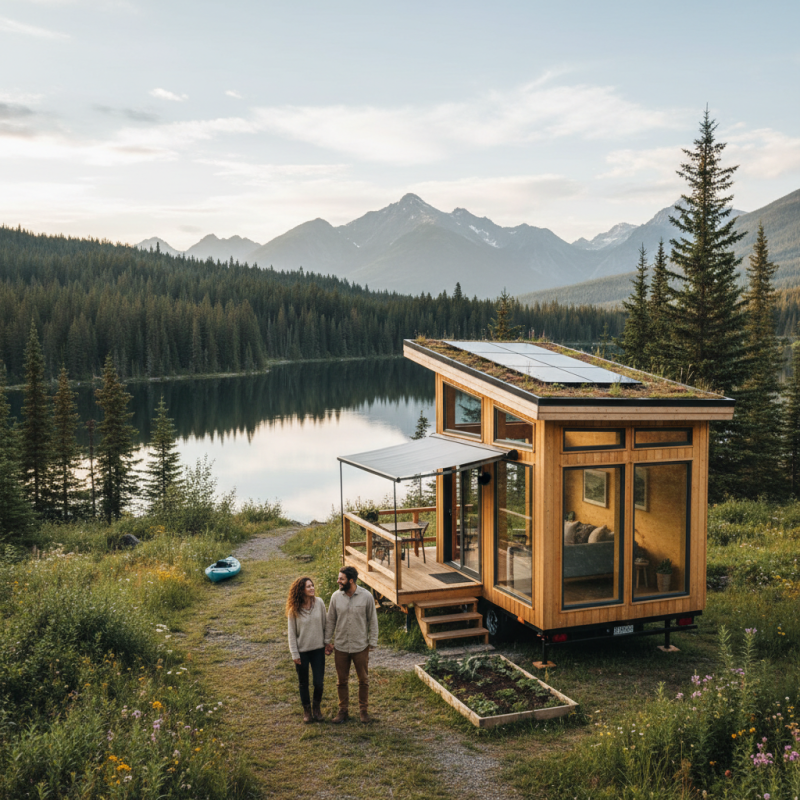
In recent years, the concept of a portable house has gained significant popularity among individuals seeking flexibility and simplicity in their living arrangements. A portable house, essentially a mobile dwelling that can be easily transported, offers a myriad of benefits that cater to a modern lifestyle. As people increasingly prioritize experiences over possessions and seek sustainable living solutions, the allure of a portable house becomes evident.
These versatile structures not only provide a solution for those looking to downsize but also empower individuals to embrace a nomadic lifestyle, breaking free from the constraints of traditional homeownership. With the ability to relocate at a moment's notice, portable houses open up avenues for adventure and exploration, allowing residents to choose their living environment based on personal preferences and seasonal changes.
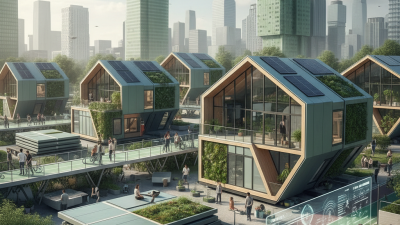
Moreover, portable houses often come with eco-friendly designs, incorporating sustainable materials and energy-efficient systems. This appeal to environmentally-conscious consumers highlights the growing trend toward minimalism and sustainability in today’s society. As we delve deeper into the concept of portable houses, we will explore how they can transform daily living, offering not just shelter, but also an enriched lifestyle through adaptability and a connection to nature.
Definition and Characteristics of a Portable House
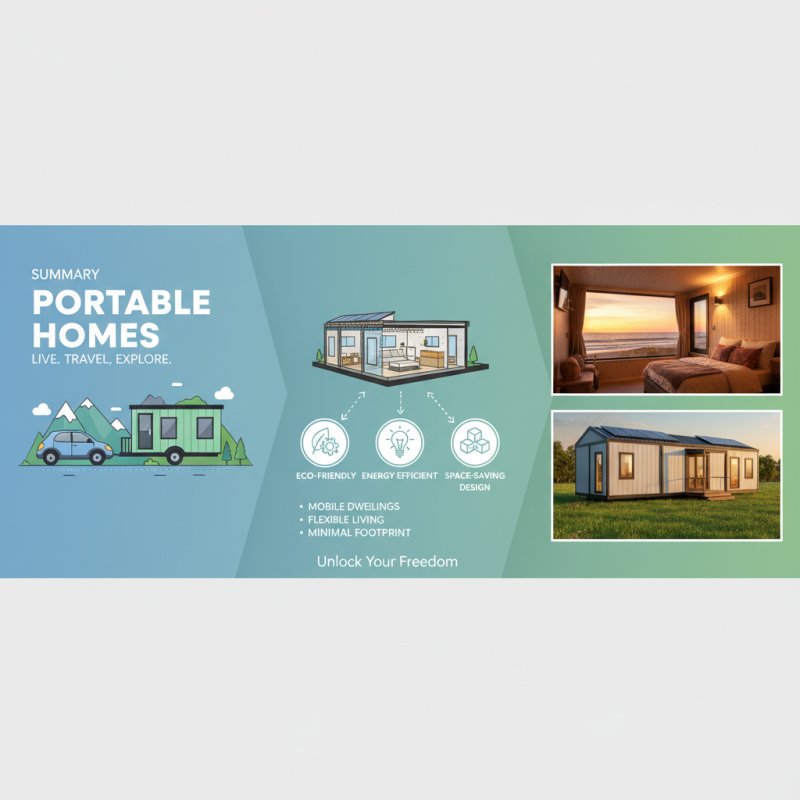
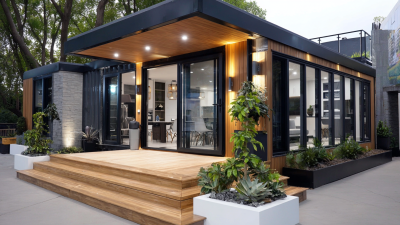
A portable house, often designed as a mobile dwelling, is characterized by its ability to be relocated easily from one site to another. These homes are typically built on a trailer or frame, allowing for flexibility in living arrangements and travel. The structure can range from compact tiny houses to more spacious modular designs, catering to various lifestyles and preferences. Key features often include lightweight materials, energy-efficient systems, and a clever use of space, making them an attractive option for those looking to minimize their environmental footprint.
In addition to mobility, portable houses offer practical benefits such as cost-effectiveness and customizable designs. They can serve as primary residences, vacation homes, or temporary accommodations. With the rise of remote work and a desire for more sustainable living arrangements, many individuals and families find that portable houses provide an ideal solution. Their adaptability allows homeowners to change locations with ease, embrace off-grid living, or simply downsize to reduce clutter and maintenance. This versatility makes portable houses appealing for those seeking a lifestyle that prioritizes mobility and accessibility.
Types of Portable Houses: From Tiny Homes to Modular Designs
Portable houses have gained popularity as a flexible and cost-effective housing solution, catering to diverse lifestyles and preferences. Among the various types available, tiny homes and modular designs stand out due to their distinctive benefits. According to a report by the American Institute of Architects, the tiny home movement has seen a significant rise, with over 60% of respondents expressing interest in downsizing for financial reasons and simpler living. These compact homes, typically under 400 square feet, not only reduce financial burdens but also minimize environmental impacts, making them an attractive choice for eco-conscious individuals.
Modular homes, on the other hand, offer a unique blend of speed and customization. Built in sections in a factory setting, these homes can be assembled on-site within weeks, significantly reducing construction time compared to traditional homes, which often take months. The Modular Home Builders Association highlights a continued growth trend in modular housing, projecting a 15% annual increase in market size over the next five years. This type of portable house allows for greater design variability while maintaining affordability, appealing to families looking for spacious yet flexible living solutions. Overall, both tiny homes and modular designs present innovative approaches to contemporary living, catering to the demand for mobility and sustainable living.
Advantages of Portable Houses for Diverse Lifestyles
Portable houses, often referred to as mobile or prefabricated homes, offer a unique flexibility that caters to a variety of lifestyles. One of the primary advantages of these dwellings is their mobility, allowing individuals and families to relocate without the burden of traditional real estate. This aspect is especially beneficial for those who prefer to live in different environments, whether seeking adventure in nature or pursuing job opportunities in various cities. The ability to transport a home easily can lead to a more dynamic and fulfilling lifestyle, allowing inhabitants to connect with diverse communities and experiences.
Additionally, portable houses are often more affordable than conventional homes, making them an attractive option for young professionals and families looking to minimize their financial burden. With lower maintenance costs and reduced utility expenses, these homes enable residents to allocate their resources towards travel, hobbies, or other interests, enriching their quality of life. The customizable designs available in the portable housing market also mean that individuals can create living spaces that reflect their personal style and needs, making their home a true extension of themselves and enhancing their overall satisfaction with life.
Sustainability and Environmental Impact of Portable Houses
Portable houses are becoming increasingly popular due to their sustainability and positive environmental impact. Built with eco-friendly materials and designed to minimize waste, these homes provide an alternative to traditional housing that often contributes to environmental degradation. By utilizing renewable energy sources such as solar panels and rainwater harvesting systems, portable houses significantly reduce their carbon footprint and dependence on non-renewable resources.
Tips for incorporating sustainability into your portable house include selecting materials with a low environmental impact, such as reclaimed wood or recycled metal. Additionally, consider implementing energy-efficient appliances and insulation to enhance energy conservation. An often-overlooked aspect is the placement of your house; situating it to maximize natural light can minimize energy usage for heating and cooling, further promoting environmental benefits.
Living in a portable house encourages a lifestyle of simplicity and mindfulness. By downsizing and focusing on essential belongings, residents often find themselves more in tune with their surroundings and less burdened by material possessions. This lifestyle shift not only fosters personal well-being but also leads to a decreased demand for resources, making it a win-win for both individuals and the planet.
What is a Portable House and How Can It Benefit Your Lifestyle
Feature
Description
Benefits
Environmental Impact
Mobility
Portable houses can be easily relocated.
Provides flexibility for changing locations.
Reduced land use compared to traditional homes.
Eco-friendly Materials
Constructed from sustainable materials.
Lower environmental footprint in construction.
Promotes sustainable living practices.
Cost-Effective
Generally cheaper than traditional homes.
Affordable housing solution for many.
Lower resource consumption leads to eco-savings.
Energy Efficiency
Designed for minimal energy use.
Reduces utility bills.
Contributes to lower carbon emissions.
Customization
Can be tailored to personal needs.
Enhances user satisfaction.
Encourages innovative design solutions.
Considerations for Choosing and Maintaining a Portable House
When choosing a portable house, several key considerations should come into play to ensure that it meets your lifestyle needs. First and foremost, the size and layout must be appropriate for your living situation. Assess how much space you require based on your daily activities, family size, or future expansion plans. It's crucial to think about the design and functionality as well; consider how the layout will affect your everyday life and whether it can accommodate your personal style and preferences.
Another important aspect is the materials and construction quality of the portable house. Opting for durable and sustainable materials can significantly enhance the longevity of your home while minimizing maintenance costs. Additionally, ensure the construction complies with local regulations and zoning laws, as this can affect where you place your portable house. Lastly, consider how you will manage utilities such as water, electricity, and waste disposal, ensuring that these systems are accessible and conducive to your lifestyle. Proper planning in these areas will help you enjoy the benefits of a portable house without unforeseen challenges.