Top 10 Innovative Foldable Houses Revolutionizing Modern Living
As urbanization continues to rise, innovative solutions for modern living are more crucial than ever. The concept of a "foldable house" has emerged as a groundbreaking solution to the pressing issues of space scarcity and environmental sustainability. According to a recent report by the International Housing Federation, the demand for portable and adaptable housing options is projected to increase by over 30% within the next decade. This demand is driven by a growing population and a shift towards more flexible lifestyles, especially among millennials and Gen Z.
Expert architect and sustainable housing advocate Dr. Emily Harper has highlighted the potential of foldable houses in reshaping our living environments. She states, "Foldable houses are not just about convenience; they represent a new paradigm in sustainable architecture that prioritizes adaptability and environmental harmony." With advancements in materials and design technology, these homes can be easily transported, quickly assembled, and customized to meet the needs of diverse demographics.
The rise of foldable houses signifies not only an innovative approach to housing solutions but also a broader movement towards efficiency and circular living. In this article, we will explore the top ten foldable houses that are revolutionizing modern living, showcasing how these structures are paving the way for a more sustainable future in urban design.
Foldable houses are becoming a focal point in modern living, driven by innovative design principles that prioritize sustainability and efficiency. This architectural trend is not only aesthetically pleasing but also serves a critical role in addressing environmental concerns. Reports indicate that buildings are responsible for nearly 40% of global carbon emissions, prompting a need for more compact and versatile living solutions. By utilizing collapsible designs and eco-friendly materials, foldable houses can significantly reduce the ecological footprint associated with traditional construction methods.
The underlying design principles of foldable houses emphasize modularity and adaptability, which enable these structures to be assembled or disassembled quickly. As highlighted by recent advancements in design technologies, such as the implementation of sustainable practices by various engineering firms, these innovative dwellings can meet the unique needs of diverse inhabitants. For instance, leveraging organic materials and energy-efficient appliances can further enhance the houses' green credentials, creating a living space that aligns with the goals of reducing waste and conserving energy. With continuous research and development, the foldable housing market is poised for exponential growth, promising to reshape the way we perceive and utilize living spaces.
Top 10 Innovative Foldable Houses Revolutionizing Modern Living
House Model
Design Principle
Size (sq ft)
Sustainability Features
Price Range
EcoFold
Modular Design
350
Solar Panels, Rainwater Harvesting
$30,000 - $50,000
QuickNest
Portable Structure
400
Recycled Materials, Insulation
$25,000 - $45,000
FoldHome
Space Efficiency
500
Green Roof, Energy Efficiency
$40,000 - $70,000
FlexiHouse
Dynamic Space
600
Natural Ventilation, Low Impact
$35,000 - $65,000
UrbanPod
Compact Living
300
Space-saving Furniture, Smart Tech
$20,000 - $40,000
MiniNest
Stackable Design
250
Eco-friendly Materials
$15,000 - $30,000
Pop-Up Cabin
Temporary Shelter
200
Quick Assembly, Minimal Resources
$10,000 - $25,000
Nomad House
Mobile Living
400
Off-grid Capabilities
$45,000 - $75,000
ViviHouse
Expandable Design
700
Rainwater System, Solar Energy
$60,000 - $90,000
ZenSpace
Mindful Design
500
Natural Materials, Garden Integration
$50,000 - $80,000
Benefits of Foldable Houses in Modern Living
Foldable houses are emerging as a transformative solution for modern living, offering unique benefits that align with the evolving demands of urbanization and sustainability. According to a report by the International Institute for Sustainable Development (IISD), the global population is expected to reach 9.7 billion by 2050, necessitating innovative housing solutions that occupy less space and reduce environmental impact. Foldable houses, designed for quick assembly and disassembly, not only address housing shortages but also significantly minimize resource consumption during construction.
One of the key advantages of foldable houses is their adaptability. Research from the American Institute of Architects highlights that these structures can be easily relocated, making them ideal for temporary housing solutions in disaster-stricken areas or for use in remote locations where traditional construction is impractical. Furthermore, foldable houses often incorporate sustainable materials and energy-efficient designs, meeting the increasing consumer demand for eco-friendly living spaces. As reported by the World Green Building Council, buildings account for approximately 39% of global CO2 emissions, underscoring the importance of shifting towards innovative housing that reduces carbon footprints while enhancing community resilience.
Top Ten Examples of Revolutionary Foldable House Designs
In the realm of modern architecture, foldable houses are making waves by combining innovative design with practical living solutions. These structures are not only space-efficient but also provide flexibility for various living arrangements. One of the standout examples is the
"Foldable House" designed by architect Kengo Kuma, which uses a unique folding mechanism that allows the house to expand and contract based on the homeowner's needs.
Another notable design is the
"Bamboo House" by Penda, which incorporates sustainable materials and modular construction techniques, showcasing how eco-friendliness can blend with creativity.
When considering a foldable house, it's essential to keep a few tips in mind. First, think about the climate and location as these factors greatly influence the design and materials used. Cold environments might require better insulation, while warmer regions could focus on ventilation.
Second, consider the purpose of the space—whether it's for permanent residence or temporary use for travel. Finally, stay updated on the latest advancements in technology and materials, as this field is rapidly evolving and could significantly enhance your foldable living experience.
Sustainability and Environmental Impact of Foldable Homes
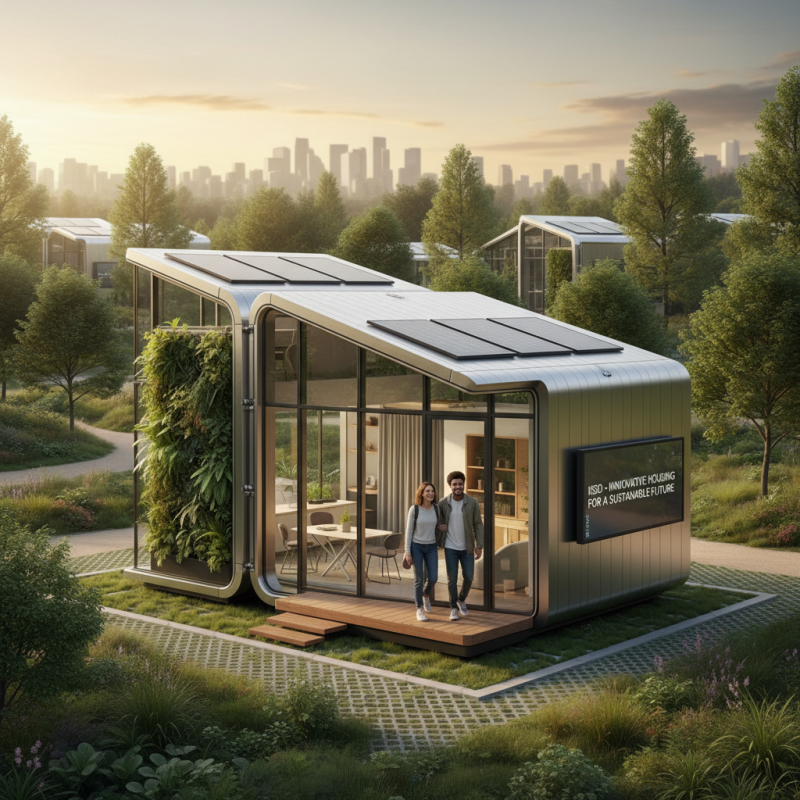
Foldable houses are at the forefront of modern architectural innovation, combining versatility with sustainability. These structures utilize eco-friendly materials and designs that minimize their carbon footprint, making them a compelling option in the fight against climate change. Many foldable homes incorporate renewable energy sources, such as solar panels, enabling residents to live off-grid.
Additionally, their collapsible nature means that these homes can be easily transported to various locations, significantly reducing the need for new construction and the environmental degradation associated with traditional building methods.
Moreover, foldable houses contribute to more efficient land use, allowing for greater density in urban areas without sacrificing green spaces. By providing adaptable living solutions that can be reused or relocated, these homes encourage a circular economy. The inherent flexibility of foldable structures not only supports sustainable living but also fosters community resilience, as they can be deployed in areas affected by natural disasters or housing shortages.
As more people embrace this innovative approach, the environmental impacts of traditional housing can be effectively mitigated, paving the way for a more sustainable future in modern living.
Future Trends in Foldable Housing and Urban Development
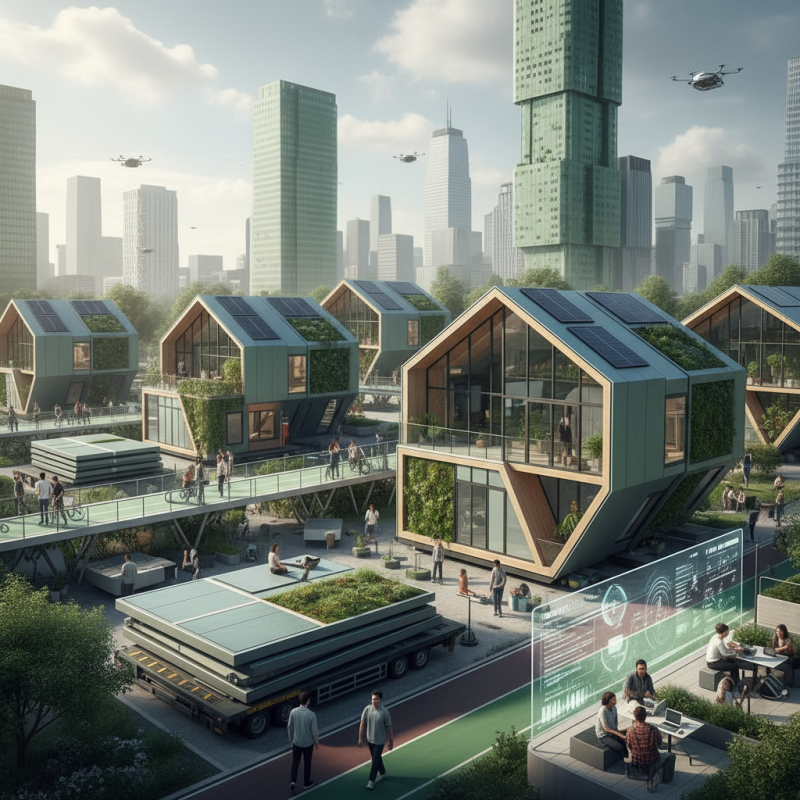
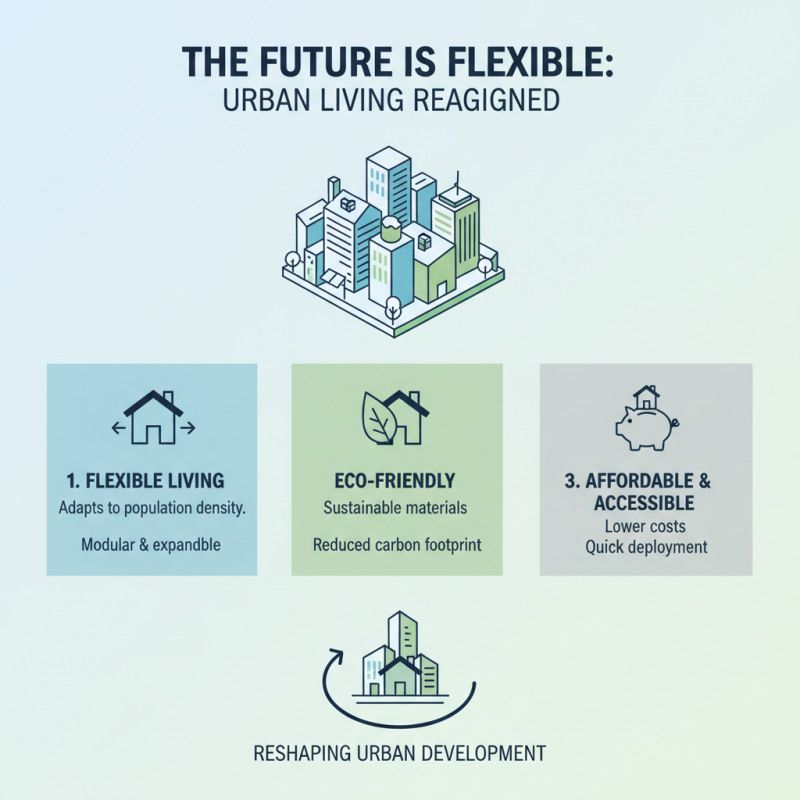
The trend of foldable housing is rapidly evolving, reshaping urban development as cities grapple with increasing population density and a dire housing crisis. These innovative structures not only offer flexible living solutions but also prioritize eco-friendliness and affordability. As urban spaces become more congested, foldable homes present a compelling answer for those seeking sustainable and versatile accommodations, providing essential living space without the hefty price tag often associated with traditional real estate.
In looking towards the future, urban planners are increasingly considering foldable homes as a viable solution to the ongoing housing shortage. Coupled with advancements in technology and design, these structures can be easily assembled, modified, or transported, making them ideal for urban environments where real estate is at a premium. Moreover, the integration of multifunctional furniture within these homes enhances their usability, allowing residents to maximize their living space in innovative ways. As the urban landscape continues to evolve, foldable housing may very well spearhead a revolution in how we approach modern living and urban development.