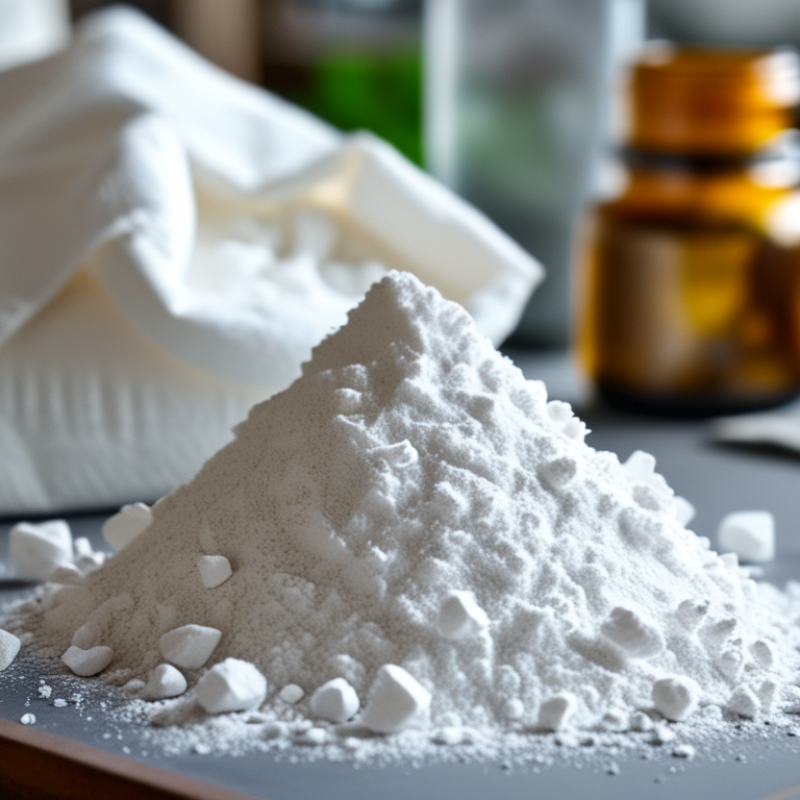
| 1. Market Screening | Supplier A
Asia-Pacific production base | Yttria-stabilized zirconia powder
3 mol% Y2O3 | ZrO2 plus HfO2 typically above 98%; controlled yttria content; low alkali and iron contamination; documented particle-size distribution | 0.5–1.0 kg laboratory sample with certificate of analysis | 100–500 kg for pilot orders | 3–6 weeks after technical approval | Indicative bulk range: USD 12–35/kg, depending on purity, particle size, surface treatment, and order volume | Request production flow, quality certificates, annual capacity, export documentation, and recent batch data before shortlisting |
| 2. Alternative Material Check | Supplier B
European production or distribution base | High-purity monoclinic or partially stabilized zirconia powder | Phase composition by X-ray diffraction; BET surface area; moisture; loss on ignition; median particle size; sintering behavior | 250–500 g sample plus technical data sheet | 25–100 kg for specialty grades | 4–8 weeks, subject to production allocation | Indicative bulk range: USD 20–60/kg for specialty or high-purity grades | Use as a technical backup source; compare phase stability, powder morphology, packaging, and regulatory documentation with the primary source |
| 3. Zircon Feedstock Option | Supplier C
Mineral-sands or zircon concentrate source | Zircon sand or zircon flour
ZrSiO4, not zirconia | ZrO2 plus HfO2 content; TiO2, Fe2O3, Al2O3, and moisture; mesh distribution; radioactive-element compliance where applicable | 1–2 kg representative sample from a sealed production lot | 20–25 metric tons for containerized mineral shipments | 4–10 weeks, including inspection and export preparation | Indicative bulk range: USD 1,200–2,500/metric ton, depending on grade, origin, and freight conditions | Confirm whether the application requires zircon or processed zirconia; specify mineral-origin documents and prohibited-contaminant limits in the purchase specification |
| 4. Sample Evaluation | Approved sample set
Two or three shortlisted sources | Application-specific zirconia grade | Compare chemical assay, phase composition, particle-size distribution, flowability, compaction behavior, green strength, shrinkage, density, and final mechanical performance | Use at least three production-representative lots per source where possible | Pilot quantity: 25–100 kg per candidate | 6–10 weeks for testing, review, and corrective actions | Testing cost separated from material price; agree on responsibility for laboratory and freight charges | Approve a reference sample, retain sealed comparison material, define acceptance tolerances, and prohibit formulation changes without written notice |
| 5. Quality Agreement | Primary supplier and qualified backup supplier | Approved zirconia or zircon grade with fixed specification | Defined limits for purity, stabilizer level, moisture, particle size, phase content, packaging weight, labeling, and batch traceability | No additional sample unless a raw material, process, site, or specification changes | Based on forecast and production capacity; commonly 1–5 metric tons for recurring powder supply | 4–8 weeks for standard replenishment | Use a formula-based review for major changes in energy, freight, or mineral-feedstock costs rather than unrestricted price adjustments | Include audit rights, certificate-of-analysis requirements, nonconformance handling, change-control notice, recall responsibility, and corrective-action deadlines |
| 6. Contract Finalization | Selected supplier
Primary allocation source | Commercially approved material and packaging format | Lot size, test methods, document language, shelf life, storage conditions, hazardous-goods status if applicable, and export classification | One pre-shipment production lot may be inspected before the first commercial delivery | Agree fixed minimum order and quarterly forecast band | Delivery window specified in the contract, normally 30–60 days | Prefer FCA, FOB, CIF, or DAP terms according to freight-control capability; define currency, payment milestone, and inspection point | Set service-level targets, late-delivery remedies, title and risk transfer, insurance, force-majeure limits, confidentiality, and dispute resolution |
| 7. Long-Term Supply Plan | Primary source plus regional backup | Approved grade with dual-source compatibility | Annual capacity, contingency stock, geographic risk, port exposure, raw-material dependency, quality history, and financial or operational resilience | Quarterly verification sample from routine production lots | Annual volume commitment divided into monthly or quarterly releases | Maintain 8–12 weeks of safety stock for critical grades where storage conditions permit | Review pricing quarterly or semiannually; link adjustments to documented freight, energy, or feedstock movements | Qualify a backup source, conduct an annual supplier review, audit delivery performance, and refresh the risk register at least twice per year |
| 8. Receiving and Monitoring | Approved supplier network | Each commercial batch of zirconia or zircon | Packaging integrity, lot identity, certificate match, moisture, visual contamination, particle-size confirmation, and periodic independent laboratory testing | Retain a representative sample from every received lot according to internal quality procedures | Release only against the purchase order and approved specification | Incoming inspection normally completed within 1–5 working days | Track landed cost, rejection rate, on-time delivery, claims, and inventory carrying cost | Use monthly supplier scorecards with targets for quality acceptance, delivery reliability, response time, documentation accuracy, and corrective-action closure |


 Your message must be between 20-3,000 characters!