logo

The Future of Living with Expandable Homes in 2025 How They Can Transform Your Space

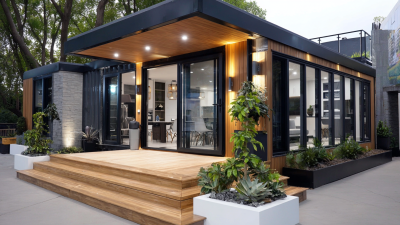
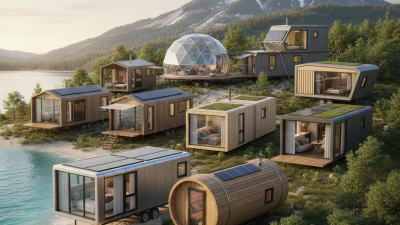
As we move toward 2025, the concept of living spaces is undergoing a remarkable transformation, and one of the most innovative solutions emerging is that of expandable homes. These modular structures offer a unique ability to adapt and grow with the changing needs of individuals and families, ultimately redefining the way we think about living environments. With urbanization on the rise and land becoming increasingly scarce, expandable homes present an intelligent and sustainable alternative, maximizing utility within limited areas.

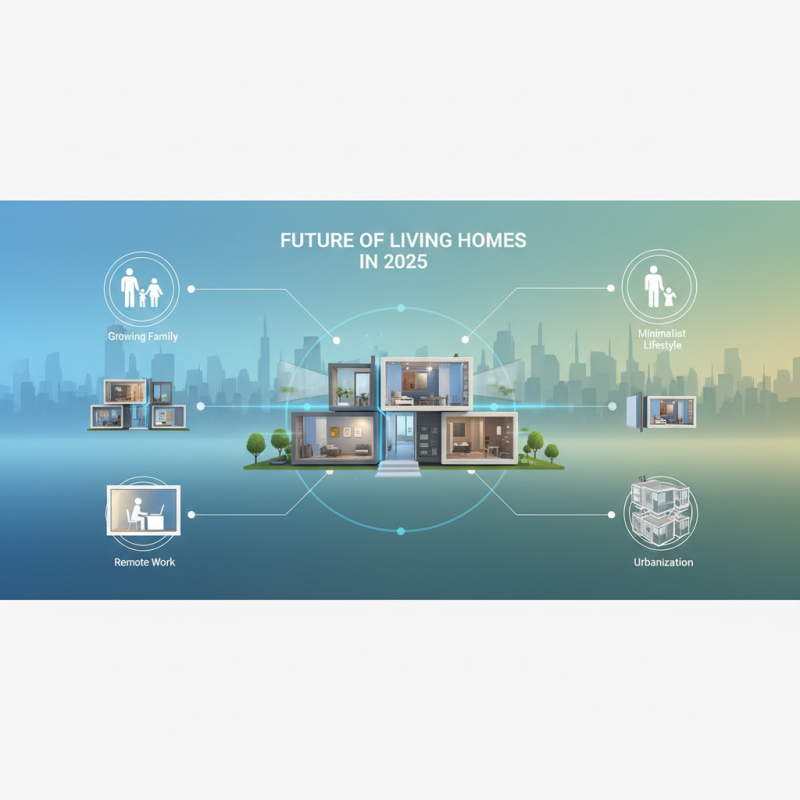
The versatility of expandable homes allows for seamless reconfiguration, meaning homeowners can easily adjust the size of their living space based on current requirements. Whether it's a growing family needing extra rooms, remote workers looking for dedicated office space, or individuals desiring a more minimalist lifestyle, these homes can accommodate a variety of lifestyles. As technology advances, the design and construction of these expandable structures become more refined, enabling not just functional spaces but also aesthetically pleasing ones that harmonize with their surroundings.

In this exploration of the future of living, we will delve into the essential features and benefits of expandable homes, illustrating how they can transform not just individual residences, but entire communities. As we envision a more flexible and accommodating future, the role of expandable homes will undoubtedly be pivotal in shaping modern living.

The Future of Living with Expandable Homes in 2025 How They Can Transform Your Space

The Concept of Expandable Homes: An Overview

Expandable homes represent a transformative approach to living space solutions in 2025, allowing for flexibility and adaptation to changing needs. The core concept revolves around modular designs that can be easily adjusted or expanded, making them particularly suitable for urban environments facing rising real estate costs. According to the International Modular Construction Association, the modular construction sector is expected to grow at an annual rate of 6.4%, indicating a strong shift towards innovative housing solutions.

One key benefit of expandable homes is their ability to accommodate growing families or changing lifestyles without the need for significant relocations. Studies from the Housing Industry Association suggest that 60% of homeowners in urban areas prefer homes that can adapt to their life stages over the traditional static homes. This adaptability not only enhances living comfort but also increases property value, making them an attractive investment option.

**Tip:** When considering an expandable home, think about future requirements. Space for home offices, guest accommodations, or play areas can all be incorporated into the initial design, ensuring you have a flexible living space ready for any situation.

Additionally, the efficiency of expandable homes can lead to reduced construction waste and lower energy consumption due to their streamlined building processes. Research by the U.S. Green Building Council indicates that modular homes can reduce waste by up to 70%, supporting a more sustainable future in housing.

**Tip:** Engage with architects or designers who specialize in modular and expandable designs to maximize the functionality of your space, ensuring that every square foot serves a purpose as your needs evolve.

Technological Innovations Driving Expandable Living Spaces

The Future of Living with Expandable Homes in 2025 How They Can Transform Your Space

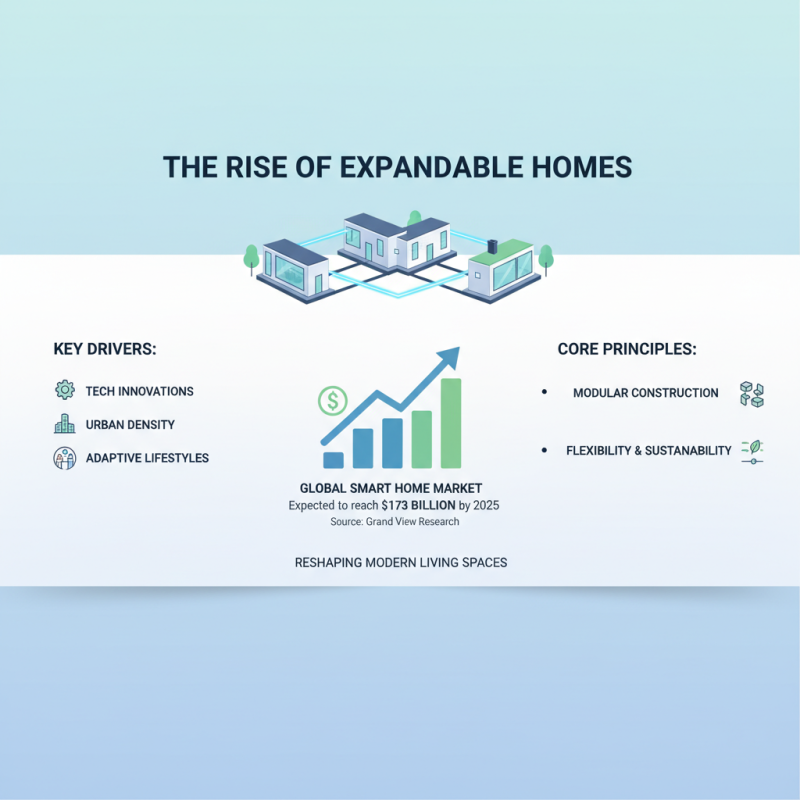
The concept of expandable homes is rapidly gaining traction, driven primarily by technological innovations that are reshaping modern living spaces. According to a report by Grand View Research, the global smart home market size is expected to reach $173 billion by 2025, with a significant portion attributed to adaptive living environments. These homes utilize modular construction techniques, allowing homeowners to effortlessly increase or decrease their living space according to their needs. This flexibility is not only a response to urban density challenges but also a solution to shifting lifestyle preferences that prioritize both functionality and sustainability.

Moreover, the integration of smart technologies plays a critical role in maximizing the benefits of expandable homes. For instance, Internet of Things (IoT) devices enable homeowners to monitor and control various aspects of their space remotely, optimizing energy efficiency even as the physical size of the home changes. A report from MarketsandMarkets suggests that the smart building market is projected to grow at a compound annual growth rate (CAGR) of 29% from 2020 to 2025. The ability to connect and manage expandable homes via smart systems positions these structures as the future of sustainable living, offering innovative solutions that accommodate the dynamic nature of human life.

Benefits of Expandable Homes for Modern Urban Living

As urban populations continue to surge, the demand for flexible living spaces becomes increasingly paramount. Expandable homes, which can adapt to the changing needs of their inhabitants, offer a versatile solution for modern urban living. According to a report from the Urban Land Institute, the global urban population is projected to reach 6.7 billion by 2050, emphasizing the need for innovative housing solutions that maximize space efficiency without compromising comfort. These homes allow residents to easily adjust their living space, catering to various needs such as accommodating a growing family or creating a home office.

The benefits of expandable homes extend beyond mere adaptability. A study by the National Association of Realtors highlights that 62% of homebuyers consider flexible living spaces essential, particularly in urban environments where space is often limited. By utilizing modular designs and expandable components, homeowners can not only enhance their living conditions but also improve their property’s long-term value. Furthermore, these homes often incorporate sustainable materials and energy-efficient technologies, contributing to lower utility costs and a reduced overall carbon footprint, aligning with the increasing trend toward eco-friendly living as reported by the World Green Building Council.

Design Considerations for Customizable Living Environments

As we move towards 2025, the concept of expandable homes is set to revolutionize our living spaces, focusing on customizable environments that reflect the evolving needs of households. With urbanization on the rise, a report by the World Economic Forum indicates that nearly 68% of the world's population will live in urban areas by this time, which will intensify the demand for innovative housing solutions. Expandable homes offer a flexible approach, allowing residents to adapt their space based on life events, such as family growth or remote working trends.

When considering the design of customizable living environments, several key factors come into play. Space efficiency remains paramount; innovations in modular construction can optimize floor plans while incorporating sustainable materials. According to the Harvard Joint Center for Housing Studies, homes designed with adaptability in mind can increase property value by 10-15%, making it a smart investment for homeowners. Homeowners should prioritize multifunctional spaces that can easily be reconfigured, ensuring that no square footage is wasted as needs change.

Tips: Consider incorporating movable walls or foldable furniture in your expandable home design. These elements not only enhance the flexibility of your living space but also promote a more sustainable lifestyle by reducing the need for extensive renovations as your requirements shift. Additionally, explore smart home technology that can aid in both energy efficiency and convenience, making the most of your customizable environment. Embrace the future of living by designing spaces that grow and adapt alongside you.

The Future of Living with Expandable Homes in 2025

Feature Description Impact Considerations
Modular Design Homes that can be easily expanded or reconfigured based on needs. Increased functional living space. Requires planning for future expansions.
Sustainability Use of eco-friendly materials and energy-efficient systems. Reduction in environmental impact. Higher initial investment may be required.
Smart Technology Integration Incorporation of IoT devices for automation and efficiency. Improved convenience and energy management. Potential security and privacy concerns.
Flexible Spaces Rooms that serve multiple purposes depending on time of day. Enhanced usability of space. Need for careful design to avoid clutter.
Affordable Alternatives Cost-effective building options to improve housing accessibility. Increased home ownership. Quality control may be a concern.

Sustainability and Future Trends in Expandable Home Development

The rise of expandable homes represents a promising shift towards more sustainable living spaces. As urban populations grow, the need for flexible housing solutions becomes increasingly urgent. In 2025, these innovative homes will not only provide adaptability but also incorporate eco-friendly materials and energy-efficient technologies. This trend aligns with global sustainability goals, as they can reduce both carbon footprints and resource wastage, creating a more responsible way to live.

When considering an expandable home, it's essential to think about your specific needs and how the design can grow with you. One useful tip is to explore modular designs that offer additional sections that can be added or removed as required. This flexibility ensures that your living space can accommodate changes in family size, lifestyle, or even working arrangements. Moreover, investing in energy-efficient systems, such as solar panels and smart home technology, will not only lower utility costs but also enhance the sustainability of your home.

Another important factor is the location of your expandable home. Choose a site that not only meets your immediate needs but also has the potential for future development. Look for areas with growing infrastructure and community amenities. This strategic approach will help ensure that your investment remains valuable and that your living space evolves along with its surroundings, promoting a sustainable and enriched lifestyle.