logo

Why Choose Flat Pack Homes for Affordable and Sustainable Living Options

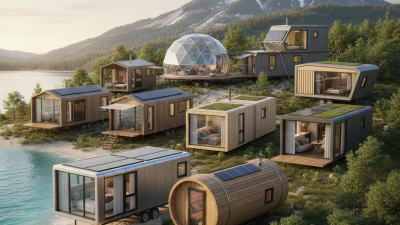
Flat pack homes are rapidly gaining popularity, particularly among those seeking affordable and sustainable living solutions. These innovative structures offer an efficient alternative to traditional housing. Built from prefabricated materials, they can be assembled quickly on-site, reducing labor costs and construction time significantly.

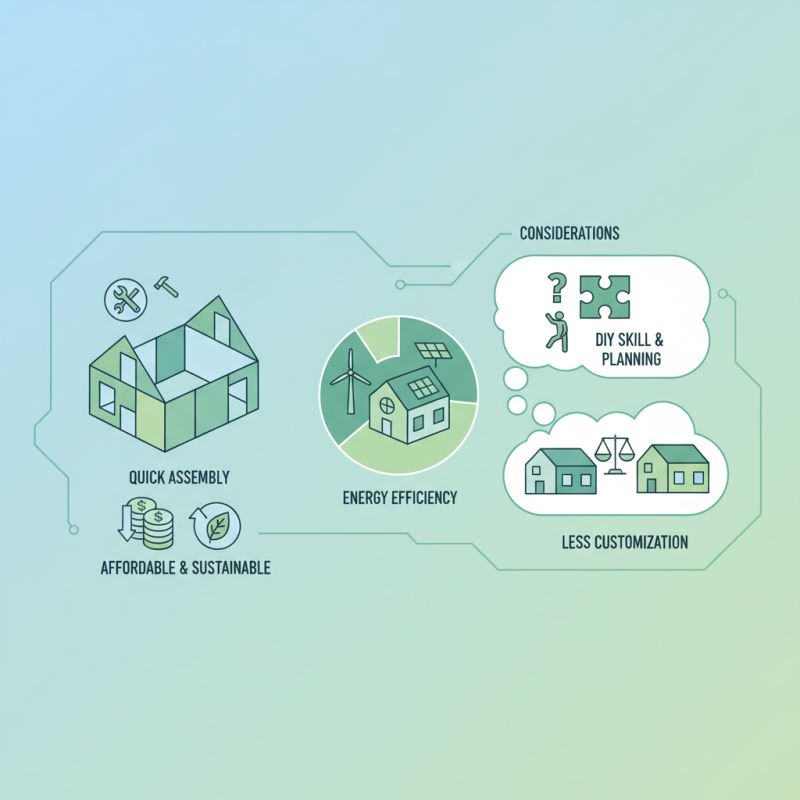
Choosing flat pack homes can lead to significant savings, both in cost and energy consumption. They are designed with sustainability in mind, often featuring energy-efficient options like solar panels and proper insulation. However, potential homeowners should reflect on their long-term needs and preferences. While flat pack homes are practical, they may lack customization and uniqueness compared to traditional homes.

Moreover, the assembly process may pose challenges for some individuals. It requires careful planning and a certain level of DIY skill. This aspect could deter prospective buyers who seek a hassle-free experience. Still, for those who are willing to embrace this modern approach, flat pack homes can provide a promising path towards affordable and eco-friendly living.

Why Choose Flat Pack Homes for Affordable and Sustainable Living Options

Benefits of Flat Pack Homes for Cost-Effective Living

Flat pack homes present a unique solution for affordable living. These homes are constructed from pre-fabricated materials, allowing for cost savings during both production and construction. According to recent studies, flat pack homes can reduce building costs by up to 25%. This significant saving makes homeownership more accessible for many.

Moreover, flat pack homes can be assembled quickly, often in just a few weeks. This speed translates to lower labor costs and less disruption in the area. A report from the National Association of Home Builders indicates that quick assembly can minimize labor expenses by nearly 15%. However, the quality can sometimes be a concern. Some projects may compromise aesthetics for speed, raising questions about long-term value.

Sustainability is another key advantage of flat pack homes. They are often made from eco-friendly materials, contributing to a reduced carbon footprint. Additionally, many come with energy-efficient designs, lowering utility costs by 30% or more. Still, the environmental impact of production and transportation should be carefully considered. Overall, while there are clear benefits, potential buyers must weigh these factors against their own needs and values.

Eco-Friendly Features of Flat Pack Home Construction

Why Choose Flat Pack Homes for Affordable and Sustainable Living Options

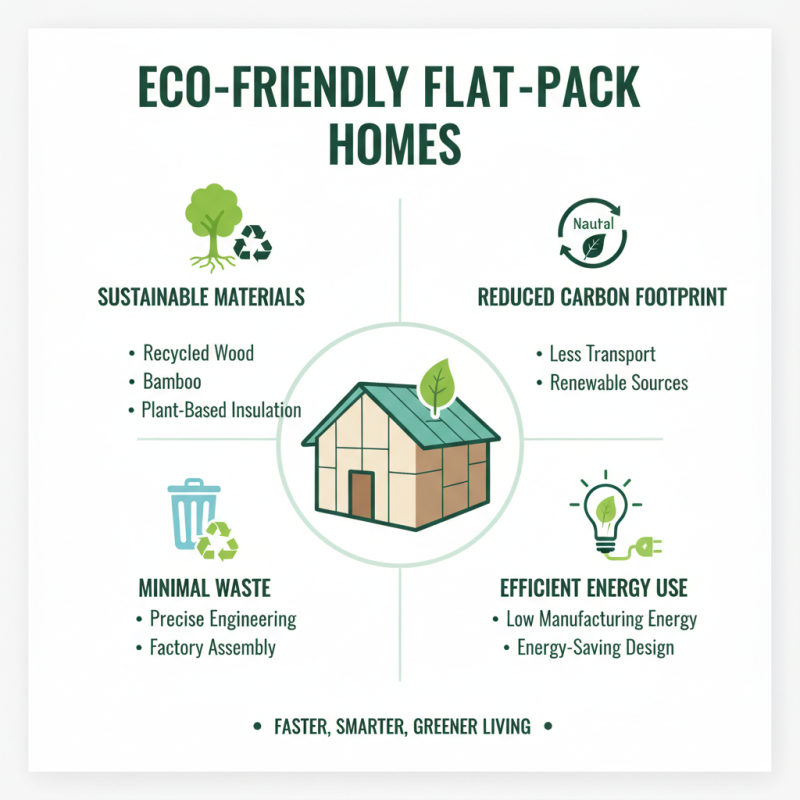
Flat pack homes offer a unique approach to eco-friendly living. Their construction often utilizes sustainable materials, reducing the carbon footprint. Prefabricated components streamline the building process. This method minimizes waste, a common issue in traditional construction. With precise engineering, less energy is consumed during manufacturing.

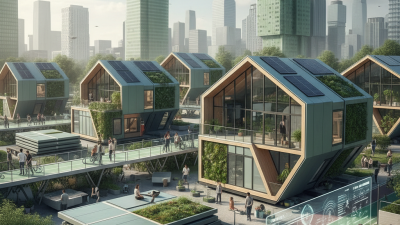
Energy efficiency is a key benefit of flat pack homes. Many designs incorporate excellent insulation. These homes often use renewable energy sources, such as solar panels. This can significantly lower utility bills and reliance on fossil fuels. Simple yet effective, energy-efficient solutions create a sustainable lifestyle.

However, challenges exist. Limited customization in designs may frustrate some homeowners. The initial cost can be misleading; hidden expenses may arise during assembly. It's important to consider these factors when choosing a flat pack home. While they present many eco-friendly opportunities, buyers should be aware of potential drawbacks.

Design Flexibility and Customization Options Available

Flat pack homes offer outstanding design flexibility and customization options. Many homeowners enjoy the freedom to choose layouts, colors, and finishes. This versatility allows individuals to create spaces that reflect their unique styles. You don't have to settle for standard designs. Instead, you can mix and match elements to fit your needs.

Tips: When customizing your flat pack home, consider the layout carefully. Think about how you live. Open spaces can enhance light and movement. However, if privacy is essential, opt for more segmented areas. You might also want to display personal touches like artwork or plants.

While customization is exciting, it's easy to go overboard. Too many choices can be overwhelming. Focus on a few key elements that matter most. Remember, simplicity often leads to satisfaction. You may find that a clean aesthetic is more calming than a cluttered one. Embrace this process of reflection to create a home that truly resonates with you.

Quick Assembly Process and Reduced Construction Time

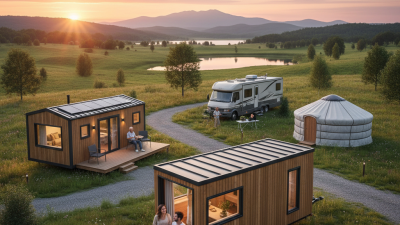
Flat pack homes are redefining modern living. One of their key advantages is the quick assembly process. These homes come pre-manufactured, allowing for easy transport and rapid setup at the site. Often, a team can complete the assembly within a matter of days. This efficiency is appealing for those who want to minimize disruption.

Furthermore, reduced construction time brings financial benefits. Homeowners can save on labor costs and other associated expenses. In many cases, families can move in sooner than traditional builds allow. This speed does not always compromise quality. However, it can lead to oversights. Rushed construction can sometimes result in minor issues needing later adjustments.

Environmental sustainability is another factor to consider. Quick assembly means less energy is consumed on-site. The materials used in flat pack homes are typically eco-friendly, further enhancing their appeal. Nonetheless, the production process can still raise questions about sustainability. Are these homes durable enough for the long term? Continuous reflection on the materials and practices used is essential. The balance between speed and sustainability is a crucial conversation for future developments.

Affordable and Sustainable Living Options

Long-Term Sustainability and Energy Efficiency of Flat Pack Homes

Flat pack homes offer a unique solution for sustainable living. These homes are designed for easy assembly and minimize waste during construction. They often use eco-friendly materials. This reduces the overall environmental impact. When designed well, these homes can be highly energy-efficient.

Energy efficiency is crucial for long-term sustainability. Flat pack homes often come with excellent insulation. This helps maintain comfortable indoor temperatures year-round. Utilizing aspects like solar panels can further reduce energy costs. However, not all designs incorporate these features effectively. Homeowners must research and consider their energy needs.

Another aspect to reflect on is the building process. While flat pack homes are quicker to construct, local regulations can complicate matters. Infrastructure might also not support rapid assembly. Each location presents its challenges. Ensuring a balance between speed and quality is important. With careful planning, flat pack homes can truly embody affordable and sustainable living.

Why Choose Flat Pack Homes for Affordable and Sustainable Living Options

Feature Flat Pack Homes Traditional Homes
Cost $50,000 - $150,000 $200,000 - $500,000
Construction Time 2 - 4 weeks 6 - 12 months
Energy Efficiency Rating A+ B - C
Sustainability Features Recycled materials, Energy-efficient systems Limited recycled materials, Variable efficiency
Customization Options High Moderate
Mobility Easily transportable Permanent structure
Maintenance Low maintenance Higher maintenance