How to Find the Best Home Factory for Your Sourcing Needs?
Finding the right home factory for your sourcing needs can be daunting. Many factors play a role. According to renowned expert Julia Lin, “A great home factory is about more than just production; it's about building trust.” This statement highlights the essence of a successful partnership in manufacturing.
Home factories can vary widely in quality and capacity. Some may promise fast turnaround but lack reliable materials. Others may offer great products but fall short on communication. Understanding these nuances is essential. It's important to visit potential factories and assess their facilities firsthand. Seeing operations in person adds clarity that numbers alone cannot provide.
Trust and transparency are often overlooked in this search. Many buyers rush into contracts without fully understanding their options. Reflecting on past experiences can provide valuable insights. Researching a factory's history can reveal issues that might not be apparent at first glance. A keen eye for detail can make all the difference in finding the ideal home factory to meet your needs.
Understanding Your Sourcing Requirements for Home Products
When sourcing home products, understanding your requirements is essential. Consider the specific items you need. Do you focus on furniture, decor, or kitchenware? Each category has unique features and standards. Knowing these details helps narrow your options effectively. Specify material preferences, dimensions, and design styles. This clarity makes communication with suppliers smoother.
Assess your budget constraints. Determine how much you can spend on different product categories. This will help you choose a factory that aligns with your financial goals. Research potential suppliers' minimum order quantities. A factory that demands large orders may not fit smaller businesses. Pay attention to lead times as well. A faster production schedule could be a deciding factor.
Ask for samples to assess quality. This step is critical; it provides insight into the craftsmanship. Don't hesitate to request references from past clients. Check their reliability and service history. It's okay to encounter challenges during this process. Use them as learning opportunities to refine your sourcing strategy. Always prioritize transparency in your dealings for a successful partnership.
Identifying Potential Home Factories for Sourcing
Identifying the right home factory requires a structured approach. Start by assessing your specific sourcing needs. Consider the type of products you need. For instance, a recent industry report indicated that 75% of businesses experienced issues with quality when sourcing from unreliable suppliers. Quality control is essential. Focusing on factories with proven track records can mitigate risks.
Utilize online platforms to research potential factories. These platforms often provide ratings and reviews from other businesses. A study found that 68% of companies rely on peer reviews when selecting suppliers. Connecting with industry experts can provide valuable insights. Engage in forums where professionals share their experiences. Building a network is crucial when seeking reliable manufacturers.
It’s important to conduct thorough assessments of potential factories. Visit in person whenever possible. A virtual tour can be misleading. Many factories employ strategic marketing to present a favorable image. Consider using third-party audit services to verify claims. Reports show that 30% of sourced products fail to meet buyer expectations due to lack of diligence. Effective sourcing requires persistent evaluation and refinement of your factory shortlist.
Comparative Analysis of Home Factory Sourcing Options
Evaluating the Quality and Certification of Home Factories
When sourcing products from home factories, assessing quality is crucial. Understand the certification processes that factories must adhere to. Check whether they have ISO certifications, which denote a level of quality assurance. It’s also wise to ask if they follow industry-specific guidelines. Not all factories meet these standards, and overlooking this can impact your final product.
Visiting factories, if possible, allows for a firsthand look at their operations. Observe the cleanliness and organization. Pay attention to the machinery and technology used. Talk to employees about their training and adherence to safety protocols. Not every factory will excel in all areas, and reflecting on these aspects is essential.
Quality assurance is a continuous journey. Regular audits and reviews are necessary for maintaining standards. Make note of any shortcomings you observe during your assessment. This conscientious approach will ensure you partner with a reliable factory that meets your sourcing needs effectively.
Assessing Communication and Responsiveness of Suppliers
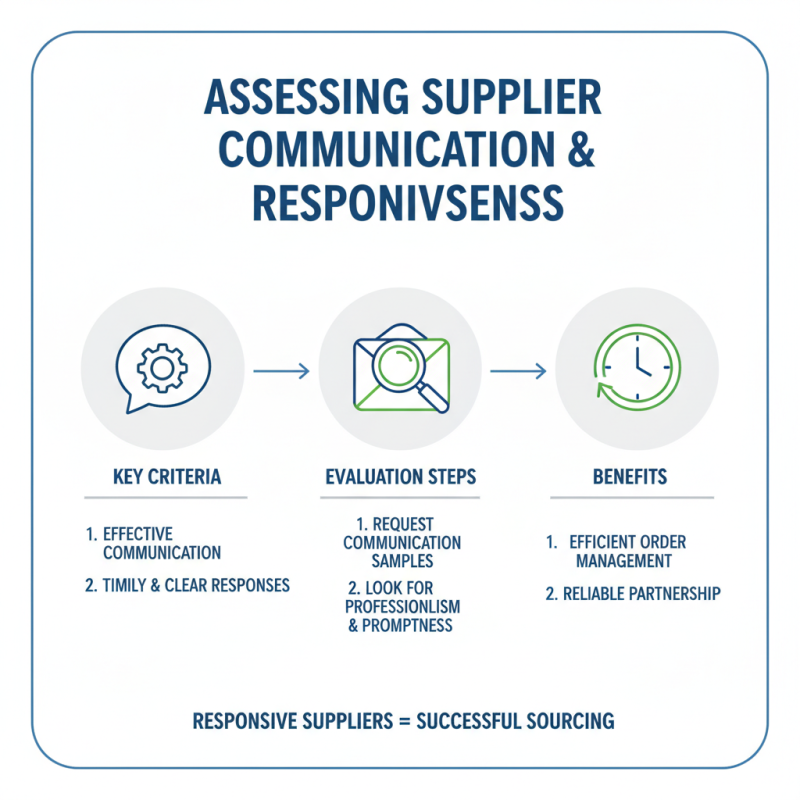
Communication is key when selecting a home factory for sourcing needs. Suppliers must demonstrate effective communication skills. This includes timely responses and clarity in their messages. When evaluating potential partners, request samples of their previous communications. Look for professionalism and promptness in replies. A responsive supplier is likely to manage your orders efficiently.
Evaluate how suppliers handle inquiries. Are they eager to answer questions? Do they provide thorough, detailed responses? This can indicate their commitment to working with you. Unresponsive suppliers can delay projects and hurt business relationships. Trust your instincts; if communication feels lacking, it might be a red flag.
Consider your specific needs in communication. Different cultures may approach responsiveness differently. Some suppliers might take longer to reply due to time zone differences. This doesn’t necessarily indicate a lack of interest. However, if a supplier consistently takes too long to respond, it’s crucial to reflect on whether they can meet your expectations. Clear, open lines of communication are vital for a successful partnership.
Negotiating Terms and Building Long-Term Relationships with Factories
Negotiating terms and building long-term relationships with factories is crucial in any sourcing strategy. A strong partnership can lead to better pricing and consistent quality. Start by being clear about your needs. Discuss minimum order quantities, pricing, and delivery schedules upfront. This clarity helps prevent misunderstandings later. It also sets a professional tone for the negotiations.
Building trust requires more than good terms. Visit the factory if possible. Face-to-face interactions foster relationships. Engaging with factory representatives can reveal their priorities and capabilities. Regular communication is essential. Even small check-ins can show you value the relationship. Share feedback on products and processes, which helps improve quality and efficiency.
Don't overlook the potential pitfalls. If a factory struggles with deadlines or quality control, address these issues sooner rather than later. Flexibility is important, too. External factors can impact production timelines. When challenges arise, work together to find solutions. A willingness to adapt can strengthen your partnership. Over time, these efforts can lead to mutual growth and success.