logo

Essential Drywall Screw Tips for Every DIY Project

When embarking on a DIY project, choosing the right tools is crucial. Among these tools, the Drywall Screw is often underestimated. A small but mighty component, it plays a significant role in ensuring a sturdy finish. Understanding its unique features and applications can make a substantial difference in your project’s success.

Many DIYers occasionally overlook the importance of selecting the appropriate Drywall Screw. Different types serve distinct purposes. For instance, fine-thread screws work best for metal studs, while coarse-thread screws are ideal for wood. Choosing the wrong type may lead to weak joints and unsatisfactory results.

Getting the hang of how to use Drywall Screws properly can be a learning curve. Misalignment can happen, and over-torquing can even damage the drywall. Remember, experience comes with practice. Reflect on your past projects and strive to improve your technique. Small adjustments can lead to more polished results in your DIY endeavors.

Essential Drywall Screw Tips for Every DIY Project

Choosing the Right Drywall Screws for Your Project

Choosing the right drywall screws is crucial for any DIY project. Different projects demand different types of screws. Stock data indicates that screw choice impacts project durability. For example, self-tapping screws offer quick installation, while wood screws provide improved grip for heavy materials.

Consider the material of your drywall. Paper-faced gypsum board typically requires coarse-thread screws. These are designed to grip into wood studs effectively. If you're working with metal studs, use fine-thread screws. They bite into metal without stripping easily. A study from the Drywall Institute states that using the correct screw type can improve installation efficiency by 30%.

Don't overlook length either. For most drywall panels, 1 ¼ inch screws work well. However, thicker panels may need longer screws. Always check the screw type against your project's weight specifications. Sometimes, even reputable sources miss material compatibility issues. Understanding these factors ensures a well-executed project.

Understanding Drywall Thickness and Its Impact on Screw Type

When tackling DIY drywall projects, understanding drywall thickness is critical. Commonly, drywall ranges from 1/4 inch to 5/8 inch. Thicker drywall, like 5/8 inch, is more soundproof and resilient. This thickness requires the right screws to ensure secure fastening. Selecting the appropriate screw type can be challenging but is crucial for a solid finish.

Choose screws that are specifically designed for drywall. Use 1 1/4 inch screws for standard 1/2 inch drywall. For thicker panels, opt for 1 5/8 inch screws. It's essential to consider the weight of the materials you will be using. If you're hanging heavier items, extra-long screws might be required.

One common mistake is underestimating the importance of screw depth. Screws that are too long can break through the drywall, causing damage. Additionally, using too short screws may lead to poor attachment. It's important to find a balance. Practice makes perfect here; try different lengths on scrap pieces before starting your main project. These details matter and can greatly affect the durability of your work.

Proper Techniques for Installing Drywall Screws

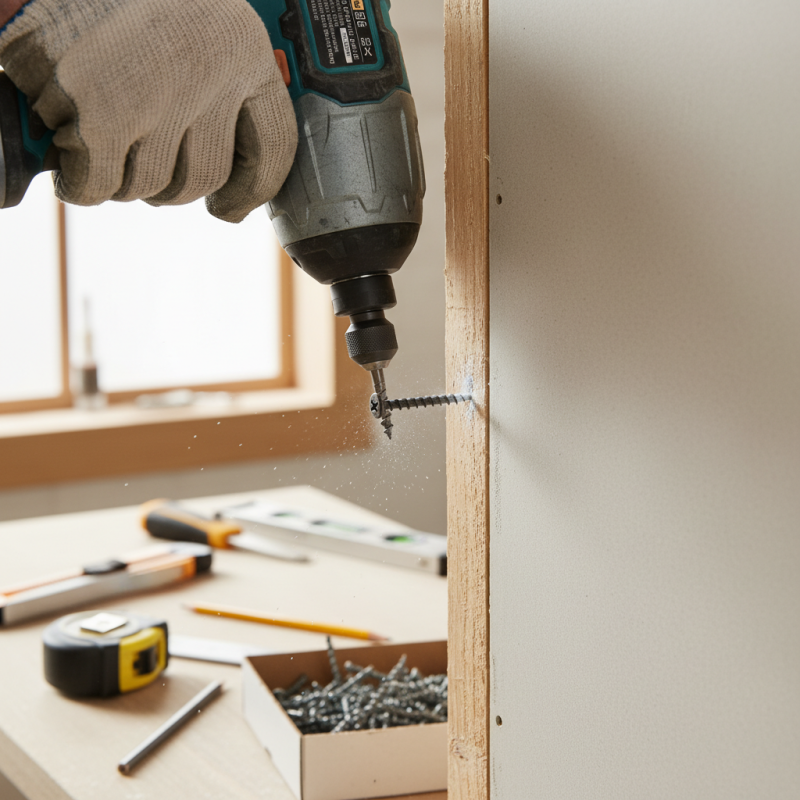
When installing drywall screws, proper technique is crucial for a successful DIY project. Start by selecting the right screw length. Typically, 1 ¼-inch screws work well for ½-inch drywall. However, using longer screws can create issues if they penetrate too deeply into framing. Always ensure a snug fit without damaging the drywall's paper surface.

Using a screw gun can make the task easier. This tool prevents overdriving, which can lead to dings and uneven surfaces. A good practice is to set the screw slightly recessed, leaving a small indentation. This helps during the finishing process and gives a professional look. Pay attention to spacing as well; screws should be placed every 12 to 16 inches along the studs. Missing a stud can lead to a weak installation.

It's important to inspect your work. Look for screws that have stripped or are not seated properly. These will require adjustments. Remember, even experienced installers encounter challenges. Don’t be afraid to remove a screw if you notice it’s not right. Learning from these small mistakes can enhance your skills over time.

Essential Drywall Screw Installation Techniques

This chart illustrates various essential techniques for installing drywall screws effectively in DIY projects, rated by their importance. The ratings reflect the significance of correct angles, proper depth, screw spacing, and material type in achieving a quality finish.

Common Mistakes to Avoid When Using Drywall Screws

Using drywall screws can seem straightforward, but many DIYers make common mistakes. One common error is overdriving the screws. This happens when a screw is driven too deep, damaging the drywall. The screw head may break through the surface, leaving an unsightly hole. It's crucial to maintain control over the drill to prevent this.

Another mistake is using the wrong size screw. Choosing a screw too short can lead to weak joints. On the other hand, using screws that are too long can penetrate wiring or plumbing behind the wall. Always measure carefully and select the right length for your specific project.

Many forget to use a pilot hole for larger screws. While drywall is soft, thicker materials require a pilot to guide the screw properly. This not only prevents cracking but ensures a secure hold. Taking these factors into account can save time and effort. Through practice and attentiveness, mistakes can be minimized.

Tools and Accessories to Enhance Your Drywall Projects

When it comes to enhancing your drywall projects, the right tools and accessories make all the difference. A quality drywall screw gun is essential. It offers precision and speed, allowing you to fasten sheets efficiently. Pair it with a magnetic bit holder, which minimizes dropped screws and saves you time. This combination can dramatically improve workflow on any DIY job.


Consider investing in a drywall lift if you’re working alone. It supports heavy sheets and allows for easier handling. This tool can be a game-changer for overhead installations, reducing strain and risk of errors. Additionally, don't forget about using corner bead and joint tape for a professional finish. These accessories create clean, sharp corners and prevent cracks over time.


Here are a couple of tips to keep in mind: Always pre-drill your screws to avoid crumbling the drywall. This small step can save you from major headaches. Lastly, practice makes perfect. Don’t rush; take time to familiarize yourself with your tools. A little patience can often lead to better results.

Article Source: