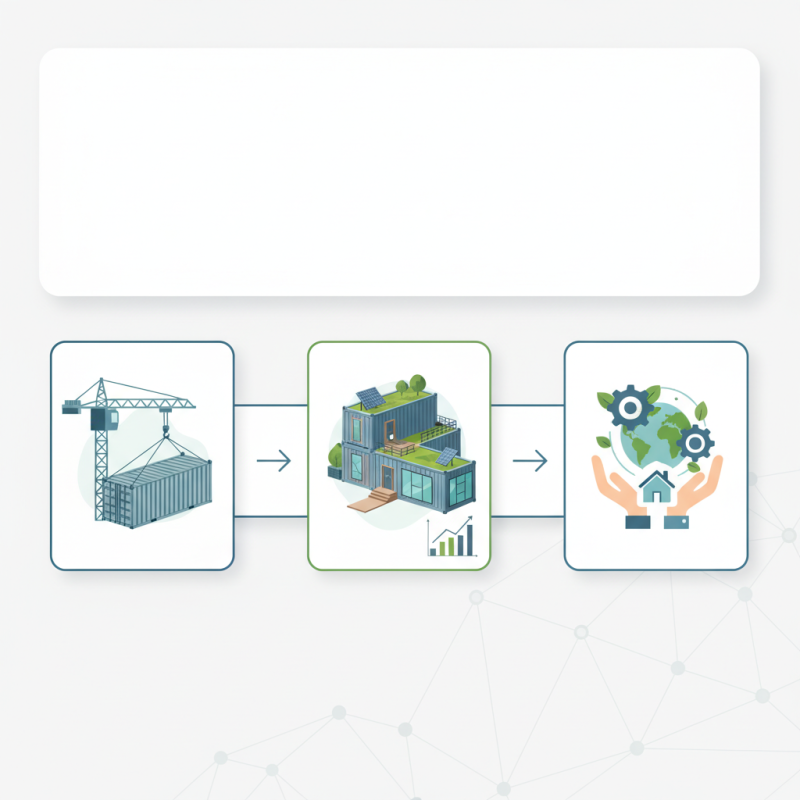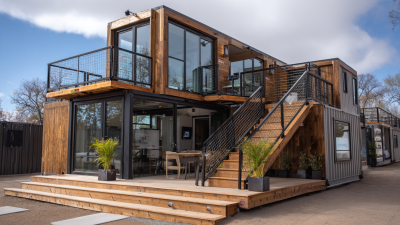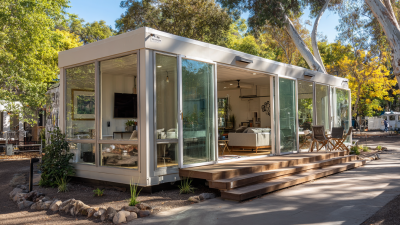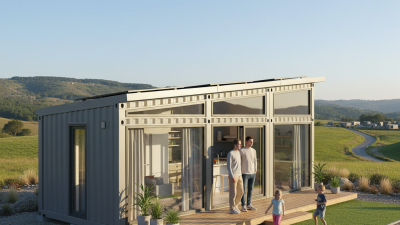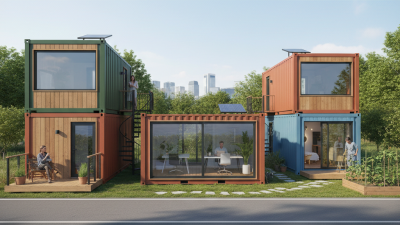
Container houses are rapidly gaining popularity as innovative and sustainable living solutions. According to a recent report by MarketsandMarkets, the global modular construction market is expected to reach $157 billion by 2026, driven by the rising demand for sustainable building practices. As concerns over traditional construction methods increase, many are turning to container houses for their unique advantages.
Expert John Smith, a leading figure in sustainable architecture, states, "Container houses offer a cost-effective and eco-friendly alternative to conventional homes." These structures are built from repurposed shipping containers, reducing waste and minimizing the carbon footprint. However, challenges remain, such as insulation and structural integrity.
Not all container houses are created equal. Many designs overlook essential elements that ensure comfort and functionality. While the industry progresses, the need for ongoing innovation and regulation remains paramount. The journey towards perfecting the container house concept is ongoing, and it invites critical reflections on its role in modern housing solutions.
Container houses are innovative structures made from repurposed shipping containers. They are a sustainable and cost-effective housing solution. This type of housing appeals to those seeking a minimalist lifestyle or unique architectural designs. Container homes can be designed for various functions, such as living spaces, offices, or even pop-up shops.
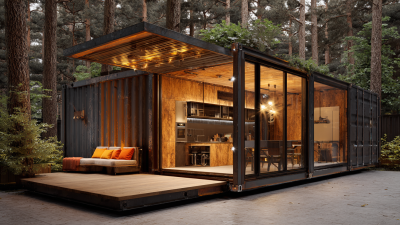
The interior of a container house can be transformed in many ways. Insulation and ventilation are important to maintain comfortable temperatures. Using eco-friendly materials can enhance sustainability. Many people love the industrial aesthetic. However, creating the perfect layout can be challenging. Consider how you will use the space. This can lead to trial and error.
**Tip:** Consider starting with just one container. You can expand later as needed. This approach keeps costs manageable.
Planning is essential. Make sure to check local building codes. Sometimes, regulations can be restrictive. Think about where you want to place your container house. Sunlight can affect your energy use. Moreover, be prepared for potential obstacles. Not every vision will go as planned. Embrace flexibility in your design process.
History and Evolution of Container Housing
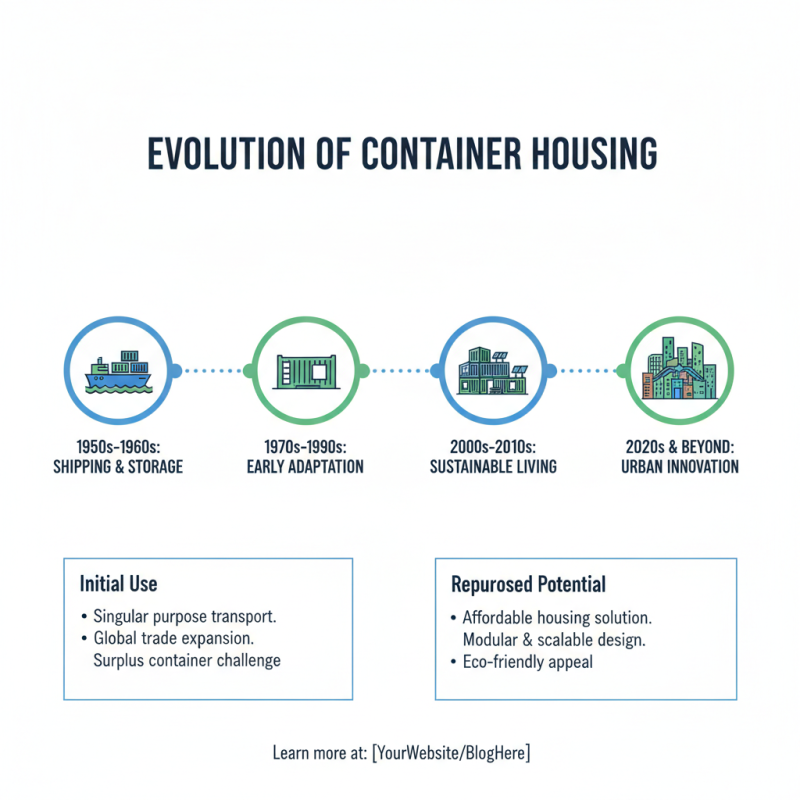
Container housing has a fascinating history that reflects changing attitudes toward affordable living. Initially, shipping containers served singular purposes for transport. Over the years, innovators saw potential in repurposing these structures. They began transforming them into practical living spaces. This shift sparked interest worldwide.
In the early days, container homes faced skepticism. Many wondered if these structures could provide comfort and safety. However, creative designs started to emerge. Architects experimented with layouts, ventilation, and insulation. They discovered ways to turn metal containers into cozy, stylish homes. Some designs embraced industrial aesthetics, while others aimed for sleek minimalism.
Challenges remain, of course. Not every container house is perfect. Some struggle with temperature regulation. Others lack adequate natural light. As the movement evolves, it continues to refine itself. Innovations in sustainable materials and smart design keep this concept alive. The journey of container housing reflects an ongoing dialogue about space and sustainability.
How Container Houses Are Constructed
Container houses are an innovative solution to modern living. They are constructed using repurposed shipping containers. This approach is both sustainable and cost-effective. The containers are designed to withstand harsh conditions, providing a strong base for unique homes.
The construction process begins with acquiring the containers. These containers are then inspected for structural integrity. They are often modified by cutting out windows and doors. This requires skilled labor to ensure safety and compliance. Openings help in allowing natural light and ventilation. Next, insulation is added to enhance temperature control. Exterior finishes can vary to improve aesthetics.
**Tips:** Consider the layout carefully. Each container has a fixed footprint. Think about how rooms will flow into one another. Use reclaimed materials for interior design. This lowers costs and adds character.
Building a container house does have challenges. Finding the right location can be tricky. Zoning laws vary and may complicate the project. There might be a need for additional permits. Reflect on these factors before starting your journey. The rewards can be great, but preparation is key.
Container houses are known for their cost efficiency, speed of construction, durability, sustainability, and design flexibility. The chart above illustrates the perceived benefits of container houses based on these dimensions.
Benefits and Drawbacks of Living in Container Homes
Container homes have gained popularity for their unique charm and practicality. One significant benefit is affordability. These homes can be significantly cheaper than traditional houses. They offer a sustainable option, often made from recycled materials. Living in a container house can reduce your carbon footprint.
However, there are drawbacks to consider. Insulation can be tricky, especially in extreme climates. Without proper treatment, these homes can become too hot or too cold. Space can also be limited, which may not suit larger families. Some people miss the feeling of traditional walls and open spaces.
Customization is another aspect to think about. While container homes can be stylish, they may require more effort to personalize. Building permits can also pose challenges. Many areas have strict regulations on container homes. This could delay your project or increase costs. Overall, it's essential to weigh the benefits and drawbacks carefully.
What is a Container House and How Does It Work? - Benefits and Drawbacks of Living in Container Homes
Aspect
Details
Definition
A container house is a structure made of repurposed shipping containers used for residential purposes.
Construction Time
Typically quicker than traditional homes, can be ready in weeks to months.
Cost
Can range from $10,000 to $100,000 depending on design and customization.
Pros
Eco-friendly, cost-effective, durable, and highly customizable.
Cons
Insulation challenges, zoning restrictions, and potential rust issues.
Sustainability
Repurposing containers reduces waste and promotes sustainable living.
Popularity
Gaining popularity due to minimalism and housing affordability concerns.
Sustainability and Environmental Impact of Container Houses
Container houses are gaining attention for their sustainable design. These homes are made from repurposed shipping containers. They offer a unique solution to housing needs while minimizing environmental impact. The use of old containers reduces waste and cuts down on the demand for new building materials.
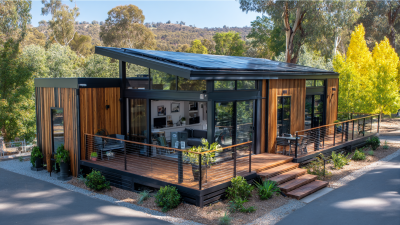
Sustainability goes beyond material reuse. Container houses can be designed with energy efficiency in mind. For instance, many incorporate solar panels or green roofs. These features allow them to harness renewable energy. It's important to consider local climate when designing. Some regions may require better insulation or ventilation.
Tips: When thinking about a container house, assess the land carefully. Is it suitable for this type of construction? Also, research local zoning laws. Not all areas allow container homes. Finally, think about community impact. A poorly integrated design may affect your neighbors. Consider their views and needs.