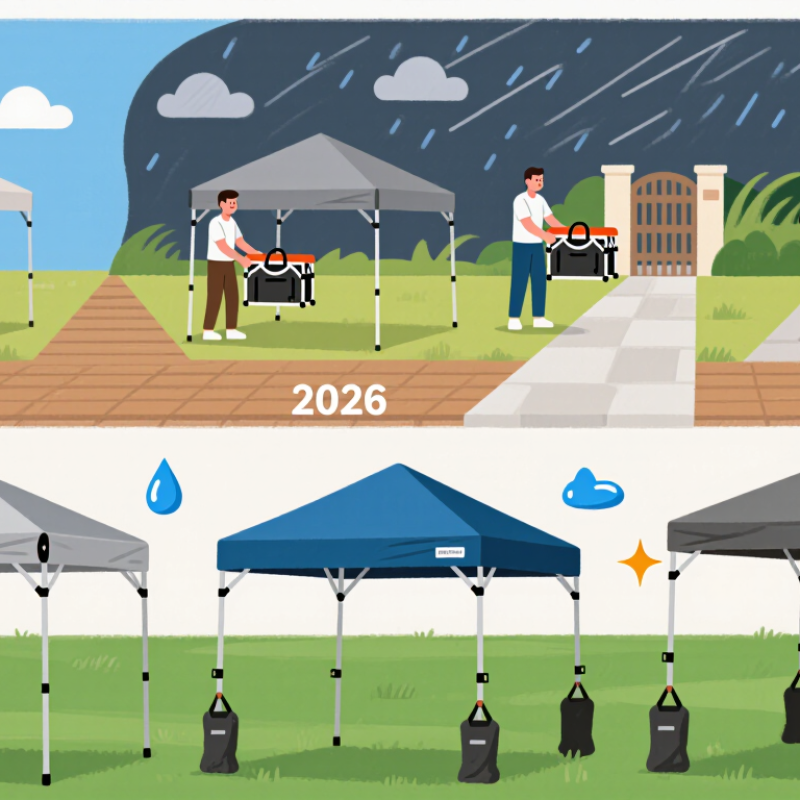
Choosing a Folding Gazebo in 2026 means looking beyond color, price, and attractive product photos. Outdoor conditions are less predictable now. A sunny patio can become a windy, wet space within minutes. The right gazebo must balance portability, structural strength, weather resistance, and everyday convenience.
Folding Gazebo specialist Alex Morgan offers a practical reminder: “A gazebo should be judged by its weakest connection, not its strongest feature.” That point matters. A thick canopy cannot compensate for loose joints, thin leg tubes, or poor anchoring. Buyers should inspect the frame material, locking mechanism, roof tension, fabric coating, and included weight bags. Details matter.
A 2026 buyer may also expect UV protection, water-resistant polyester, rust-resistant aluminum, and replacement parts. Smart design helps, but it does not remove basic responsibilities. Even a sturdy gazebo needs secure anchoring on grass, concrete, or decking. Wind ratings should be read carefully, because testing conditions differ between brands. Marketing language can sound stronger than the product itself.
Think about real use. Will one person carry it through a narrow garden gate? Can two people open it without pinched fingers? Does the packed frame fit inside a car trunk? A ten-minute setup is useful only when the instructions are clear. Sometimes, the cheapest model becomes expensive after one broken connector. That lesson is easy to miss.
This guide explains how to compare Folding Gazebo features, materials, sizes, safety considerations, warranties, and long-term value. It will not promise a perfect choice. No product performs equally well in every season.
Define Your Folding Gazebo’s Main Purpose and Usage Setting
Choosing a folding gazebo in 2026 should begin with purpose, not color or price. A shelter for weekend markets needs different features from one used beside a family garden. Write down the setting, expected users, and setup frequency before comparing options. Be specific. A four-person picnic may need a compact canopy, while a craft stall needs open sides and extra frontage.
Measure the ground carefully, including pathways, tables, and the space needed to fold the frame. I have found that a gazebo fitting the lawn can still block a door or scrape a wall. Check the frame’s weight, packed dimensions, and locking points if one person will carry it. For repeated outdoor work, prioritize reinforced joints, water-resistant fabric, and adjustable legs. “Waterproof” can be an incomplete promise. Ask how seams, roof tension, and drainage perform during real rain. If the site is exposed, use suitable anchors and follow local weather guidance. Never rely on weight alone during strong winds.
A beach, driveway, and trade area each demand different anchoring and clearance choices. Sun exposure matters too. A tightly woven roof can reduce glare, but ventilation still affects comfort. Test the opening direction against afternoon sun and likely foot traffic. Do not ignore setup time. I once underestimated packing difficulty after a smooth first setup. Record one complete trial, including anchoring and storage, before buying. That small test may reveal a missing instruction or an awkward latch.
Compare Gazebo Sizes, Shapes, and Available Interior Space
Choosing a Folding Gazebo in 2026: Compare Sizes, Shapes, and Interior Space
The listed footprint is not the same as usable interior space. A 10-by-10-foot gazebo may suit four chairs and a small table, but not a buffet station. Measure the frame, roof slope, and corner supports before buying. These details can remove several inches from each side. A 10-by-20-foot rectangle offers better room for dining and storage, although its longer span may need stronger anchoring in windy conditions.
Shape also changes how people move. Square gazebos use space efficiently for conversation areas. Rectangular designs create clearer zones for seating, serving, or demonstrations. Hexagonal models look inviting, but their angled edges can waste floor area beside tables. I once planned six chairs around a central table and underestimated the walking clearance. The layout felt crowded.
Leave at least 30 inches for comfortable movement, and more near entrances. Check the peak height and side height separately. A tall center does not help much if the edges force guests to bend. Place a sample chair, cooler, and folding table on the ground using tape. This simple test reveals awkward gaps better than a product diagram. My measurements were still slightly optimistic, because people need space for coats, bags, and opening doors. Consider those small interruptions before choosing a size.
Evaluate Frame Materials, Canopy Fabrics, and Weather Resistance
How to Choose a Folding Gazebo in 2026?
A folding gazebo should match your weather, not just your event size. The Outdoor Industry Association’s 2024 Outdoor Participation Trends Report recorded 175.8 million U.S. participants. That figure reflects broader outdoor demand, but it also signals frequent setup and storage. Choose a frame that survives repetition. Powder-coated steel offers stiffness and weight, while aluminum resists corrosion and remains easier to carry. Check joint alignment, locking pins, and tube thickness. A light frame can feel convenient until wind arrives.
Canopy fabric requires closer inspection. Polyester is common, but denier alone does not prove durability. Look for solution-dyed fibers, reinforced corners, stitched stress points, and sealed seams. The American Society for Testing and Materials uses hydrostatic-pressure testing to measure water resistance, while AATCC 22 evaluates surface spray performance. These tests are useful, but they are not identical. A strong spray rating may still hide weak seams. I would avoid treating one laboratory number as complete evidence.
Weather resistance also depends on anchoring. ASTM guidance for temporary structures emphasizes ballast, stability, and site conditions rather than fabric alone. Never rely on a canopy’s label to manage severe wind. Inspect it after every storm. Watch for chalking, stretched corners, bent connectors, and water pooling. My checklist still has a weakness: laboratory results rarely reproduce uneven ground, rushed folding, or careless storage. A small test setup in your own yard may reveal more than a polished specification sheet.
Check Setup Features, Portability, Safety, and Maintenance Needs
How to Choose a Folding Gazebo in 2026?
A folding gazebo should save time, not create a wrestling match. Check whether two adults can open it without forcing the frame. Smooth locking joints, clear instructions, and adjustable legs make setup more predictable. Inspect every hinge for pinch points before buying. A roof vent can release trapped heat, while a simple height system helps on uneven ground. I once ignored the setup diagram and bent a support bar. That shortcut was poor judgment.
Portability depends on more than listed weight. Measure the packed length, then compare it with your vehicle and storage space. Strong handles, a wheeled carry bag, and compact folded dimensions matter during wet event days. Ask whether one person can lift it safely. If the answer feels uncertain, choose a lighter structure, even if its canopy is slightly smaller. Small differences become obvious after a long walk.
Safety deserves practical testing. Use the recommended anchors, especially on firm but exposed ground. A gazebo is not a permanent shelter, and no anchor makes it safe in severe weather. Check the frame’s wind guidance, canopy tension, and drainage points. Never leave pooled water on the roof. Maintenance should include drying the fabric completely before storage, cleaning dirt from joints, and checking screws each season. Look for replaceable covers and corrosion-resistant hardware. Independent test information can help, but vague claims should invite caution. Real use is messier than product photographs.
Balance Price, Warranty, and Long-Term Value Before Buying
When choosing a folding gazebo in 2026, compare more than the ticket price. A low-cost model can become expensive after one broken joint or faded canopy. I once judged value by the frame alone. That was a mistake. Check the fabric weight, seam quality, connector strength, and ease of folding. A stable setup should not require forcing the legs or guessing where parts fit.
Warranty details deserve careful attention. Confirm whether coverage includes the frame, canopy, fasteners, and replacement parts. Some warranties cover defects but exclude wind, water, improper storage, or commercial use. Read the exclusions. Ask how claims work, how long repairs usually take, and whether proof of purchase is required. A long warranty sounds reassuring, but slow support can leave a business or family event exposed. Clear terms are more useful than impressive numbers.
Long-term value also depends on maintenance and repairability. Look for rust-resistant hardware, washable fabric, a protective storage bag, and separately available parts. Calculate the expected cost per season, including storage and possible replacements. Price still matters. It should not control every decision. I may still choose a cheaper gazebo for occasional shade, but not for weekly use. Think about real weather, transport, and setup time. The best choice is one you can maintain, repair, and confidently use for years.