


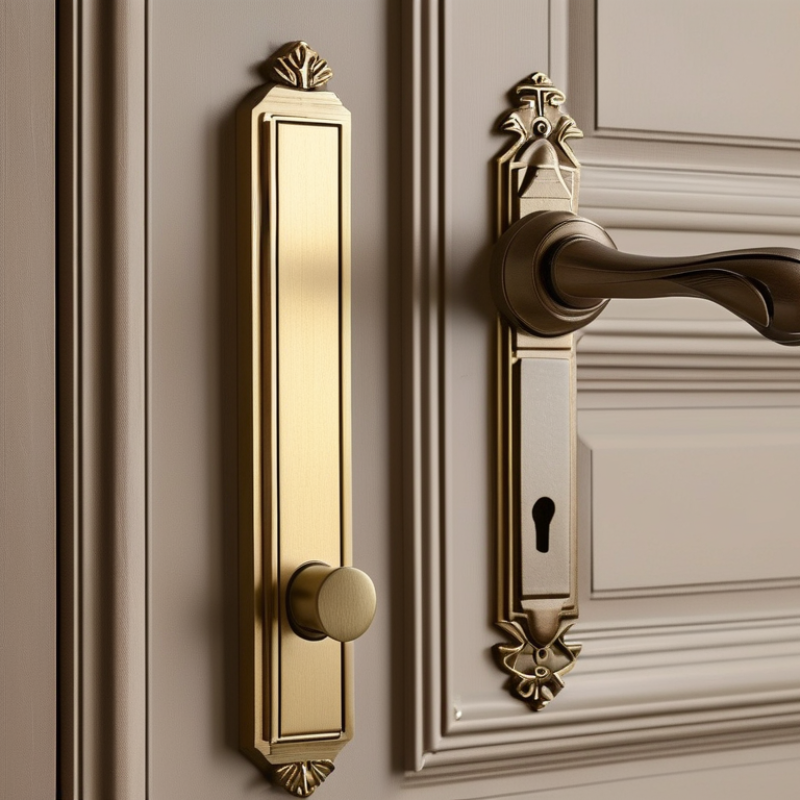
Choosing the best PU leather door handle starts with measuring real door use. Count opening cycles during a typical week, including busy morning periods. A private bedroom may see fewer than 20 uses daily. A shared office door can exceed 100.
ISO 12947 Martindale abrasion cycles provide a useful durability reference. The test rubs a material against an abrasive surface under controlled pressure. Higher cycles usually indicate better resistance to surface wear. However, this result does not perfectly reproduce a hand gripping a handle. Skin oils, moisture, rings, and repeated twisting create different stresses. Check whether the supplier tested the actual PU leather construction, not only a separate fabric layer.
Match the cycle rating to usage and maintenance habits. For light residential use, moderate abrasion resistance may be practical. High-traffic entrances need stronger PU leather, reinforced edges, and stable stitching. Inspect sample handles after repeated rubbing, especially around seams and corners. Look for gloss changes, peeling, cracking, or exposed backing. Small details matter.
I would also record cleaning exposure. Some surfaces tolerate gentle soap but react poorly to alcohol-based products. That part is often overlooked.
A simple usage log can improve the decision, although it will never replace laboratory testing. A handle used 80 times daily may experience more wear from careless pulling than from normal contact. Consider comfort too, because a highly durable surface can still feel hot, slippery, or artificial in the hand.
