How to Choose the Best Office Container for Your Needs?
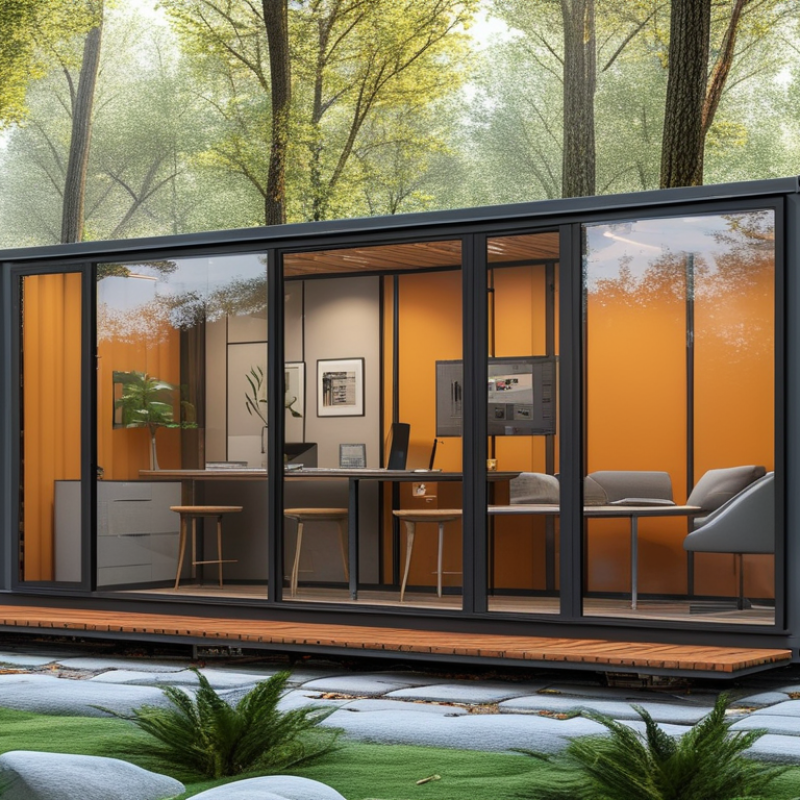
Choosing the best office container can greatly influence your workspace efficiency. An office container serves multiple purposes. It can act as a temporary workspace, meeting room, or storage solution.
When selecting an office container, consider your specific needs. Assess the size and layout that would fit your environment best. Think about ventilation, insulation, and aesthetics. These elements matter. Sometimes, the ideal choice may not be the most obvious one. It’s essential to reflect on what will truly enhance your operations.
Every workspace is unique. Therefore, finding the right office container requires thoughtful evaluation. The goal is to find a balance between functionality and comfort. Opt for solutions that reflect your brand and encourage productivity. Ultimately, your choice should promote a collaborative and inviting atmosphere.
Understanding Your Space Requirements for an Office Container
When considering an office container, understanding your space requirements is key. Start by measuring the area where the container will be placed. According to the Container Association, around 70% of container offices are underutilized due to improper size selection. A detailed plan helps in maximizing the available area while ensuring comfort and functionality.
Think about what you need within the container. Will you require meeting rooms or additional storage? The average office container is about 20 feet long, offering around 160 square feet of space. This may suffice for small teams but feels cramped for larger operations. Remember that personal workspaces should allow for at least 100 square feet per employee for optimal productivity.
Here are some tips:
- Visualize your layout before setup.
- Consider light and ventilation; well-lit areas promote better morale.
- Check zoning laws; not all regions allow exterior modifications.
Challenges arise if your space requirements are unclear. Overlooking these could lead to significant inefficiencies. For instance, improper placements might restrict access or waste valuable square footage. In a survey by the Modular Building Institute, 40% of businesses regret not planning their office layout properly. Such reflections can guide you in making better choices.
How to Choose the Best Office Container for Your Needs?
Evaluating Different Types of Office Containers Available
Choosing the right office container is vital for any business. With various options available, evaluating these containers can feel overwhelming. Whether you need a portable office or a space for storage, understanding their features helps in making the best choice.
One popular option is the modular office container. These are flexible and can be tailored to suit specific needs. The design allows for easy relocation, making them ideal for dynamic work environments. However, ensure that the container meets your space and comfort requirements.
Tips: Consider insulation and ventilation. Comfort is crucial for productivity. Ensure the container has adequate light and connectivity options.
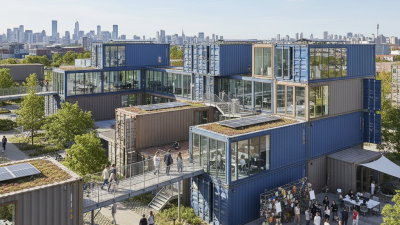
Another type is the shipping container office. These containers are sturdy and offer a unique aesthetic. However, if not modified properly, they can feel cramped. Think about how you will organize the interior to maximize space.
Tips: Invest in proper furniture that saves space. Multi-functional furniture can make a big difference. Reflect on how your team will use the space.
Evaluate your needs carefully before deciding. What might seem ideal today could become a limitation tomorrow. Flexibility and adaptability should be key factors in your decision-making process.
Assessing Budget Considerations for Office Containers
When considering office containers, budget is a key factor. A well-defined budget helps streamline the selection process. Office containers can vary widely in cost based on size, materials, and customization. Basic containers may cost less upfront, but consider long-term expenses. Additional features can add significant value.
Think about the intended use of the container. Will it serve as a temporary site office or a permanent workspace? A temporary office may require fewer amenities. However, investing in insulation and utilities for a permanent setup is crucial. It’s also important to factor in delivery and installation costs, which can affect the overall budget.
Sometimes, cutting costs leads to compromises. Skimpy budgets can result in inadequate facilities or subpar materials. Ensure the container meets your operational needs while staying within financial limits. Research different suppliers and their offerings. This can uncover hidden costs or savings. Balancing costs with quality requires reflection and careful assessment.
Exploring Essential Features for Functional Office Containers
When selecting an office container, functionality is key.
Think about your workspace requirements. A container should not only hold office supplies, but also facilitate productivity.
Consider size, layout, and access.
For example, larger containers may offer more storage, but they could also consume excessive space.
Natural light and ventilation are vital features. If the container lacks windows or proper airflow, it can become a stuffy environment.
This could lead to decreased productivity and well-being. Think about these aspects carefully.
Additionally, modular containers allow for flexibility and expansion.
If your business grows, the office should adapt accordingly.
Look for ergonomic designs in furniture placement.
Chairs and desks should promote good posture and comfort. If the layout is cramped, it might hinder creativity.
Also, examine the electrical setups. Having enough power outlets is crucial.
Unchecked, a cluttered electrical environment may pose safety risks.
Consider all these details to create a more effective office container.
It’s all about balancing practicality with comfort to foster a better working atmosphere.
Considering Location and Accessibility for Office Container Placement
When placing an office container, location and accessibility are key. Think about the surrounding environment. Is it noisy? Are there nearby amenities? Such factors can significantly impact employee productivity. A quiet area, close to essential facilities, enhances work efficiency.
Consider transportation options as well. Easy access for employees and clients is vital. A location near public transit can be beneficial. It makes it convenient for everyone to reach the office. However, don't overlook potential parking issues. Limited parking can deter visitors and employees alike.
Accessibility goes beyond just transportation. Ensure that the space complies with accessibility standards. Wheelchair ramps and clear pathways are important for inclusivity. Reflect on future growth. Will the location accommodate your plans? Choosing wisely now can save complications later.
How to Choose the Best Office Container for Your Needs? - Considering Location and Accessibility for Office Container Placement
Dimension
Description
Consideration
Size
The physical dimensions of the container (e.g., 20ft, 40ft)
Ensure it fits the available space and meets your operational needs.
Accessibility
Ease of access for staff and visitors
Consider pathways, parking, and transportation access.
Location
Proximity to necessary infrastructure like utilities
Check for nearby services, security, and environmental factors.
Ventilation
Quality of air circulation in the container
Assess if natural ventilation is adequate or if additional systems are needed.
Insulation
Ability to maintain temperature control
Evaluate climate conditions and choose appropriate insulation materials.
Security Features
Locks, alarms, and other safety mechanisms
Consider the crime rate and required security measures for your area.