How to Choose the Best Foldable House for Your Needs?
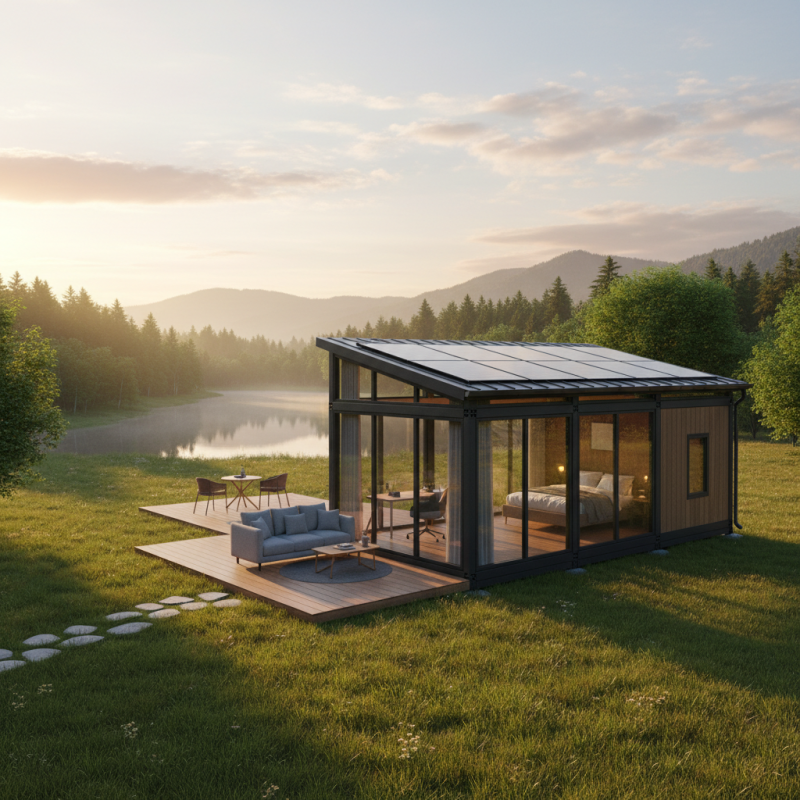
Choosing the right foldable house can be overwhelming. Many options exist, each with different features and benefits. A foldable house offers flexibility and convenience. They are portable, making them perfect for various needs.
When selecting a foldable house, consider your lifestyle. For instance, do you need extra space for guests? Or perhaps a quiet home office? Think about your priorities. The design matters too. Some models are stylish but costly, while others are budget-friendly and practical.
Remember, it’s important to reflect on your choices. A foldable house should match your vision of home. It’s more than just a structure; it represents your unique way of living. Take your time in making this decision.
Understanding Your Space Requirements for a Foldable House
When choosing a foldable house, understanding your space needs is critical. Reports indicate that 80% of people underestimate required space. When assessing your needs, consider who will live there. Families need different configurations than singles. An average adult requires 100 to 400 square feet for comfortable living. If you plan to entertain, this number increases.
Tips: Create a list of essentials. Think about sleeping areas and storage. Not enough storage? You may feel cramped. Many designs lack effective storage solutions. Evaluate whether you need more compact or spacious options. A clear plan can enhance your decision-making.
Consider the layout. Some foldable houses maximize space with multifunctional furniture. A well-designed space can feel larger. However, design quirks might not suit everyone's taste. You might prefer a traditional look over modern minimalism. Reflect on what you truly need. Your space should resonate with your lifestyle.
Evaluating Different Types of Foldable Houses Available
When choosing a foldable house, consider your specific needs. Different types vary in design and functionality. For example, some offer quick setups, while others provide more space. Lightweight options are great for travel. Meanwhile, sturdier models suit long-term stays.
**Tips:** Think about your location. If you need it for a colder climate, consider insulation features. Check the materials used in each model. Durability matters, especially if you plan to use it often.
Some foldable houses can be challenging to assemble. Instructions may not always be clear. It’s essential to practice setting it up at home first. A little confusion here can lead to frustration later.
**Tips:** Look for user reviews to gauge real-life experiences. They often highlight potential problems you might face. Don’t overlook size. Ensure it fits your intended space and lifestyle needs. Planning ahead can save you from future regrets.
Key Features to Consider When Choosing a Foldable House
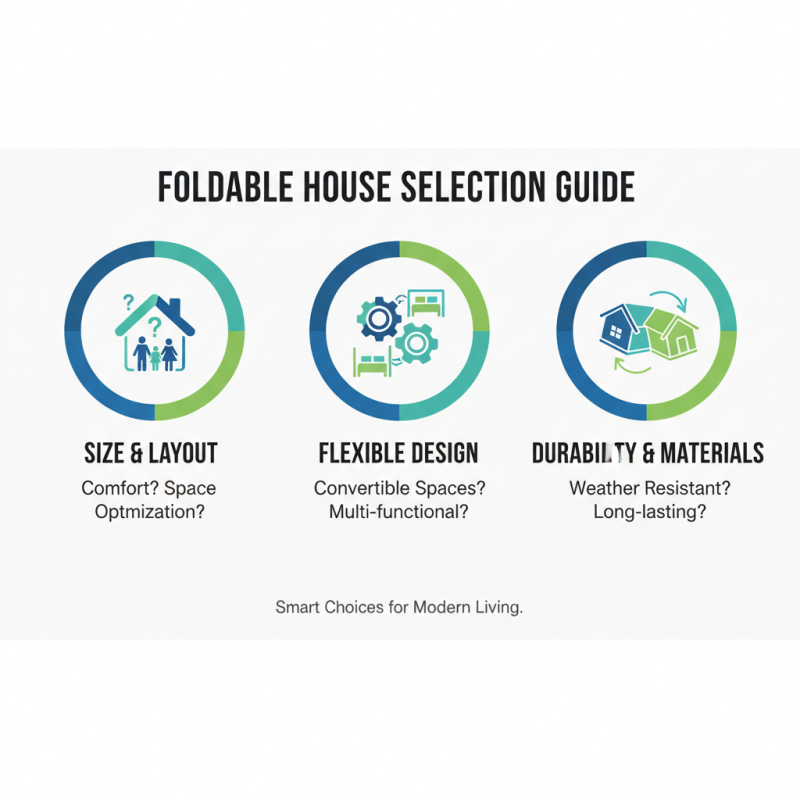
When selecting a foldable house, several key features demand attention. Consider the size and layout. Will it comfortably accommodate your family? Think about how space can be optimized. A well-planned design makes all the difference. Look for flexibility in space use. Extra rooms or convertible spaces can enhance functionality.
Next, consider the materials. Different structures use a variety of components. Some are lightweight, while others provide more insulation. Explore options like eco-friendly materials for better sustainability. However, be aware that lightweight may mean less durability. Reflect on what matters most for your lifestyle.
Don’t forget about ease of transport. Some models fold easily, while others may require assistance. Think about how often you plan to move. Inconveniences can arise without proper planning. Research the setup process, as some take longer than expected. Your choice should align with your needs and comfort.
Assessing Cost vs. Benefits of Foldable Houses
Foldable houses present a unique opportunity for homebuyers. They promise flexibility, efficiency, and affordability. However, careful consideration is vital when assessing cost versus benefits. A study from the Global Modular Construction Market projects the market to reach $157 billion by 2025. This rapid growth signals increasing interest and potential value in foldable housing.
When evaluating costs, it's essential to factor in both initial investments and long-term savings. According to the National Renewable Energy Laboratory, foldable homes can reduce energy consumption by up to 50%. This translates to significant savings on utility bills over time. Still, installation costs can be higher than traditional homes. Often, local zoning and infrastructure issues complicate matters. Buyers might need to navigate these challenges, which could add to overall expenses.
Another aspect to weigh is durability and quality. Not all foldable homes are designed to withstand extreme weather conditions. Reports show that some may require further investment for upgrades and maintenance, which could negate initial cost benefits. Potential homeowners should assess how these variables impact their long-term satisfaction and investment. Each decision carries weight, and being aware of both pros and cons will guide buyers toward their ideal choice.
Sustainability and Energy Efficiency in Foldable House Options
When exploring foldable houses, sustainability and energy efficiency are crucial. Lightweight materials can drastically reduce energy consumption during construction. According to a recent industry report, using high-performance insulation can improve thermal efficiency by up to 30%. This enhances comfort while reducing energy bills over time.
Choosing solar panels can also contribute to energy savings. They can provide power and reduce reliance on nonrenewable sources. In some cases, homes equipped this way can achieve net-zero energy consumption. However, installation might be complex and not suitable for all locations.
Tips: Always consider local climate. Different regions have unique energy requirements. Research local regulations on building standards. They can affect your options. Evaluating your daily energy usage helps identify the right solutions. A well-planned layout can maximize natural light, reducing lighting needs. Balancing efficiency and practicality can lead to intelligent design choices that cater to your lifestyle while promoting sustainability.
Energy Efficiency Ratings of Foldable Houses
This bar chart illustrates the energy efficiency ratings of various foldable house designs based on their insulation properties, renewable energy integration, and overall sustainability. Higher ratings indicate better energy efficiency, helping you choose the best option for your needs.