logo

How to Choose Decorative Walls for Your Project?

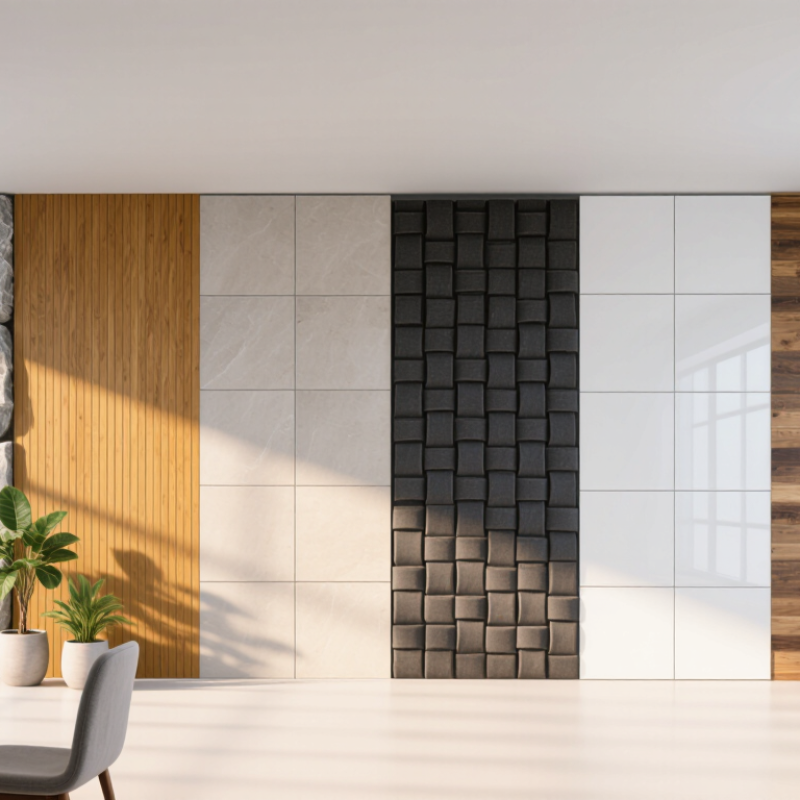
Choosing Decorative Walls is not only a matter of color or visual impact. It is a practical decision about atmosphere, durability, maintenance, and long-term value. A textured stone panel may create a dramatic reception area, while acoustic wood slats can soften sound in a busy restaurant. The right surface must support the room’s purpose.

Interior designer Kelly Wearstler has said, “Design is about the experience, not the look.” This principle matters when comparing Decorative Walls for residential, retail, hospitality, or workplace projects. A beautiful finish can still fail if it stains easily, echoes sound, or clashes with existing lighting. Consider the wall from different distances. Touch the sample. View it under morning and evening light.

Start with the project conditions. Measure moisture exposure, traffic levels, cleaning requirements, and installation limitations. Then compare materials such as natural stone, porcelain, wood veneer, acoustic panels, reclaimed finishes, and engineered composites. Each option offers different performance, cost, and environmental considerations. Certification and manufacturer documentation should also be checked carefully.

Details matter.

A glossy panel may enlarge a narrow hallway, but fingerprints could become a daily frustration. A dark textured wall may feel luxurious, yet it can make a small room appear heavier. I have seen attractive samples lose their appeal after installation because the pattern scale was ignored. That mistake is easy to repeat.

The strongest choice balances emotion with evidence. Review samples, request technical data, and test a small area when possible. Decorative Walls should look distinctive, perform reliably, and remain appropriate as the project evolves. Perfect choices are rare. Thoughtful choices are achievable.

How to Choose Decorative Walls for Your Project?

Define the Purpose and Performance Needs of the Decorative Wall

How to Choose Decorative Walls for Your Project?

Decorative walls should begin with purpose, not color. Before selecting a finish, identify what the wall must do. Is it guiding visitors, reducing noise, resisting impacts, or hiding uneven masonry? A reception wall needs a different performance profile than a restaurant partition. Write these needs down. It prevents attractive but unsuitable decisions.

In high-traffic corridors, prioritize impact resistance and easy cleaning. Ask for test results, not broad promises. Check surface hardness, stain resistance, moisture tolerance, and reaction-to-fire classification. In a humid room, sealed joints matter as much as the panel itself. For offices, acoustic backing can reduce reflected voices and machine noise. Measure the room before choosing thickness. A small dimensional error can disrupt doors, outlets, and skirting.

I have seen projects favor texture first, then struggle with fingerprints under bright lighting. Samples should be viewed at the actual site, morning and evening. Touch them, clean them, and inspect their edges. Maintenance teams should confirm cleaning methods and replacement procedures. A low-maintenance finish may cost more initially, but it can reduce labor over time. Still, predictions are imperfect. Occupancy, cleaning habits, and installation quality can change results. Recheck the specification with the installer and project engineer before approval.

Compare Decorative Wall Materials, Textures, and Visual Styles

Choosing a decorative wall starts with use, not a mood board. In occupied spaces, surface performance matters as much as appearance. The U.S. Environmental Protection Agency reports that people spend about 90% of their time indoors. Low-emission finishes and cleanable surfaces are practical concerns. Painted gypsum offers easy repairs and broad color control. Wood veneer adds warmth, but needs protection from moisture and impact. Textured plaster creates depth, although repairs may remain visible.

Acoustics also changes material selection. Felt, slatted wood, and microperforated panels can soften reflections. Stone and porcelain usually create harder sound conditions. The 2023 Global Status Report for Buildings and Construction states that buildings produced 37% of global energy- and process-related emissions in 2022. Compare recycled content, local availability, installation waste, and service life. A lightweight panel may simplify handling. Its backing and adhesive still require scrutiny. Check technical sheets.

Visual style should follow light, scale, and maintenance. Ribbed surfaces suit corridors, but dense grooves collect dust. Large-format stone-look panels create calm planes with fewer joints. Small tactile tiles feel crafted, though grout increases upkeep. I have seen attractive samples fail under harsh lighting. Daylight exposes uneven joints quickly. Mock up the wall at full scale. Then view it morning and evening. The “perfect” finish may be wrong for the room. Good design leaves room for revision.

Evaluate Installation Methods, Site Conditions, and Maintenance Demands

How to Choose Decorative Walls for Your Project?

Decorative walls should match the installation method, not only the desired appearance. Adhesive systems suit clean, stable surfaces with limited movement. Mechanical fixings offer stronger support when panels are heavy or walls are uneven. Some projects need a hybrid approach.

Measure twice. A rushed measurement can create visible joints near doors and corners.

Site conditions often decide whether a design will perform well. Check moisture, temperature changes, dust, and wall flatness before ordering materials. In a humid bathroom, porous finishes may demand sealing and better ventilation. In a busy hallway, impact resistance matters more than a delicate texture. Dust changes everything. I once underestimated surface preparation on a renovation, and the installation took much longer than planned. That assumption can fail.

Maintenance demands should be discussed with the people who will clean the wall daily.

Grooved surfaces may collect dust, while glossy finishes can reveal fingerprints and uneven repairs. Ask how the surface responds to mild cleaners, repeated wiping, and small scratches.

Keep spare material for future repairs, especially when colors or textures may vary between production periods.

A practical sample test is valuable: install a small section, clean it several times, and inspect the edges under normal lighting. This modest step can expose problems before the full project begins.

Match the Wall Design with the Project’s Budget and Building Standards

Decorative wall selection should begin with the project budget and applicable building standards. A low-cost panel may become expensive after replacement, testing, or installation delays. The U.S. Environmental Protection Agency reported about 600 million tons of construction and demolition debris in 2018. Choosing durable, repairable materials can reduce waste and disposal costs.

Performance also matters. Check fire reaction, smoke development, moisture resistance, impact strength, and acoustic needs before approving a finish. In many projects, wall assemblies require testing under ASTM E84 or NFPA 286. The exact requirement depends on the building type and local code. The 2023 Global Status Report for Buildings and Construction states that buildings represent 34% of global energy demand. Therefore, wall systems should support the wider envelope strategy, not only visual goals. A decorative layer alone will not fix poor insulation. That assumption deserves review.

Tips: Request a sample of the complete wall assembly. Compare material, labor, trims, maintenance, and replacement costs. Ask the contractor to confirm code documentation. Keep a small reserve for damaged panels and color variation. Never rely on a brochure alone. On site, lighting can make a finish look different from the showroom sample. A practical mock-up may reveal awkward joints, glare, or cleaning problems before installation. Some projects still choose the cheapest option. That decision is understandable, but it may not be wise over ten years.

Select the Best Decorative Wall and Confirm Its Specifications

Choosing a decorative wall begins with the project’s actual demands, not a catalog image. I measure the wall, note moisture exposure, and check nearby heat sources. A textured panel may look elegant in a showroom yet feel too busy in a narrow corridor. I also consider lighting direction, cleaning routines, and daily contact. Small details matter. In a family room, rounded edges may reduce impacts. In a commercial lobby, a harder surface may better resist repeated cleaning.

After selecting the style, confirm every specification in writing. Check panel length, width, thickness, weight, and allowable size tolerance. Ask for fire performance, moisture resistance, surface hardness, and installation requirements. These details affect framing, adhesives, fasteners, and labor. Confirm whether the quoted dimensions include trims or only the main panel. Request a current technical sheet and a physical sample. Screens can hide color variation. They can also soften texture.

I recommend making a small test section before ordering the full quantity. Install it under the project’s real lighting and inspect joints from normal viewing distance. Leave room for expansion where required. Do not assume every wall is flat; older plaster often shifts several millimeters. One mistake is treating appearance as the whole decision. I have seen attractive finishes fail because the substrate was damp or the fixing method was unsuitable. Recheck measurements after surface preparation, and keep the approved specification with the project records.

Article Source: