Why Choose the Best Prefab Homes for Global Buyers?
In recent years, the demand for the best prefab homes has surged among global buyers. Industry expert John Smith states, “Prefab homes offer flexibility and sustainability, making them a smart choice for modern living.” This statement highlights the growing attraction of prefab homes for those seeking cost-effective and environmentally friendly housing solutions.
Many buyers appreciate the speed of construction. Prefab homes can be built in a fraction of the time compared to traditional homes. However, some potential homeowners still worry about quality and durability. “Not all prefab homes are created equal,” Smith adds, which emphasizes the need for thorough research before making a choice. Selecting the right builder is crucial.
Additionally, the aesthetics of prefab homes have significantly improved. High-quality designs are now available that cater to various tastes. Despite this progress, there can be shortcomings in customer service and post-sale support, leading to frustrations for some buyers. Understanding both the benefits and challenges is key to making an informed decision in the prefab housing market.
Understanding Prefab Homes: Definition and Benefits
Prefab homes are rapidly gaining traction among global buyers. These dwellings are manufactured off-site in controlled environments. They offer various advantages, such as reduced construction time and lower costs. According to a report by IBISWorld, the prefab housing market is projected to reach $23 billion by 2025. This growth is driven by the rising demand for sustainable building solutions.
One of the main benefits of prefab homes is their energy efficiency. Many models are designed with eco-friendly materials and modern insulation techniques. A study from the U.S. Department of Energy indicates that prefab homes can be up to 50% more energy-efficient than traditional houses. However, potential buyers should research local regulations and zoning laws. Some regions might have restrictive building codes that can complicate installation.
Prefab homes also provide customization options, allowing buyers to choose layouts and finishes to suit their needs. Despite this flexibility, some buyers may find the quality control inconsistent across manufacturers. Understanding these nuances is essential for making a well-informed decision. By weighing the pros and cons, buyers can find a prefab home that aligns with their lifestyle and values.
Reasons to Choose Prefab Homes
This chart illustrates the various benefits of choosing prefab homes, showing dimensions like cost efficiency, sustainability, quality control, speed of construction, and design flexibility. Each benefit is rated on a scale from 0 to 100, emphasizing the significant advantages prefab homes offer to global buyers.
Key Features of the Best Prefab Homes for Global Markets
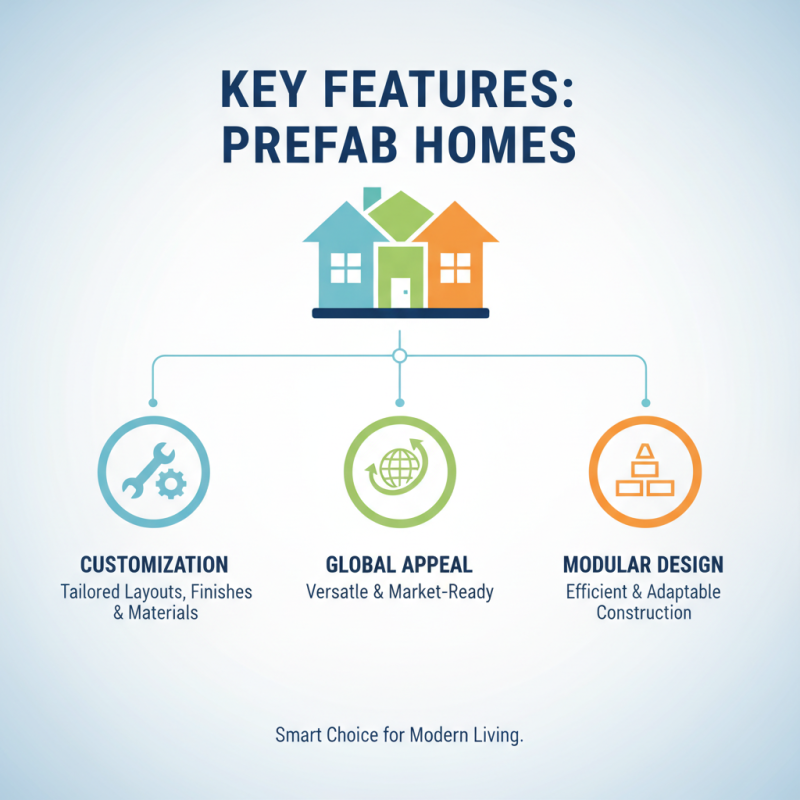
Prefab homes are becoming an attractive choice for global buyers. These homes offer unique features that stand out in the crowded housing market. One key feature is their customization options. Buyers can select various layouts, finishes, and materials. This flexibility allows homeowners to create spaces tailored to their needs.
Another important aspect is sustainability. Many of the best prefab homes are designed with eco-friendly materials. They often include energy-efficient systems that lower utility costs. This focus on sustainability appeals to environmentally conscious buyers. However, the availability of skilled labor for assembly can sometimes be a concern.
Affordability is a major selling point. Prefab homes often cost less than traditional constructions. This is due to reduced labor and shorter build times. However, buyers should consider land costs and zoning regulations before making a decision. Such factors can impact the overall price significantly.
Comparative Analysis: Prefab Homes vs. Traditional Construction
The debate between prefab homes and traditional construction highlights key factors influencing buyer decisions. Prefabricated homes are gaining momentum due to faster construction times. In fact, reports indicate that prefab homes can be built in half the time of traditional builds. This efficiency caters to a growing demand for quicker housing solutions, especially in urban areas.
Cost-effectiveness is another critical consideration. According to industry studies, prefab homes can reduce costs by 10-25% compared to traditional construction. This price advantage appeals to first-time buyers and those on a budget. However, not all prefab options are created equal. While some manufacturers prioritize quality, others may compromise, raising concerns about durability and long-term value.
Sustainability is increasingly vital in today’s construction landscape. Data shows that prefabricated homes operate with lower waste levels during production. They often utilize eco-friendly materials, aligning with global trends towards greener living spaces. Nonetheless, not all prefab homes meet high environmental standards, which necessitates careful research by potential buyers. As the market evolves, understanding these nuances becomes essential for making informed decisions.
Factors to Consider When Choosing Prefab Homes Internationally
Choosing the right prefab home is crucial for international buyers. Several factors come into play. The climate of the location is significant. Prefab homes must withstand local weather conditions. Designs that work in one area may not be suitable in another. It’s vital to evaluate materials based on durability and insulation.
Another important factor is local building codes. Regulations vary widely from country to country. Ensuring compliance can be a challenge. Buyers should also consider the supply chain for construction materials. Delays can impact project timelines. Additionally, the availability of skilled labor is essential. Not all regions have the expertise required for prefab assembly.
Cultural preferences also influence choices. Different countries may have distinct architectural styles. A home that appeals in one culture might not resonate in another. It’s wise to involve local experts in the design process. Engaging professionals can help bridge gaps in understanding. This is especially true for global buyers venturing into new markets. Prefab homes can be an excellent investment, but careful consideration is key.
Why Choose the Best Prefab Homes for Global Buyers? - Factors to Consider When Choosing Prefab Homes Internationally
Factor
Description
Importance Level (1-5)
Cost Impact (%)
Quality of Materials
The durability and sustainability of building materials used.
5
20%
Design Options
Availability of customizable floor plans and aesthetic designs.
4
15%
Delivery Time
The time taken for manufacturing and shipping the prefab home.
3
5%
Local Regulations
Compliance with local building and zoning codes.
5
10%
Energy Efficiency
Standard energy-efficient features that can reduce utility costs.
4
12%
After-Sales Service
Availability of maintenance and warranty services post-purchase.
4
8%
Sustainability
Use of sustainable practices in construction and material sourcing.
5
10%
Testimonials and Success Stories of Global Prefab Home Buyers
Prefab homes have gained remarkable traction among global buyers. Testimonials reveal that many people appreciate the blend of efficiency and cost-effectiveness. One couple from Canada detailed how their prefab home reduced construction time by 30%. This timely advantage allowed them to move into their dream home sooner than traditional builds. According to a recent industry report, the prefab housing market is expected to grow by 5% annually, highlighting its increasing popularity.
Many clients emphasize the customizable nature of these homes. One homeowner in Australia shared how they personalized their prefab to fit their family's lifestyle. They chose eco-friendly materials, showcasing the industry's shift towards sustainability. However, the experience is not flawless. Some buyers faced challenges with on-site installations and permitting processes. It's critical for potential owners to research local regulations to avoid unexpected delays.
Tip: Before choosing a prefab home, consult with buyers about their experiences. Their insights can guide you toward a smoother journey. Another tip is to plan for possible adjustments during the building phase. Flexibility can lead to a final product that truly meets your needs. Take time to assess all the factors involved in your prefab journey.