logo

How to Choose the Best Portable Homes for Your Lifestyle and Budget

As the demand for flexible living solutions continues to rise, portable homes have emerged as a popular choice among those seeking both affordability and mobility. According to a recent report by the American Institute of Architects, nearly 45% of millennials are considering mobile or tiny homes as viable living options due to changing lifestyle preferences and financial constraints. This shift reflects a broader trend toward minimalism and sustainability, where individuals are prioritizing experiences over material possessions.

Expert in the portable homes industry, Dr. Sarah Thompson, emphasizes the importance of choosing the right portable home type for individual needs: "Understanding your lifestyle requirements is crucial when selecting a portable home, as it can significantly impact your quality of life and overall satisfaction." Whether it is for a family on the move, retirees seeking a simpler life, or professionals desiring flexibility, there are numerous models and designs to cater to diverse needs and budgets.

By investigating factors such as space, comfort, and environmental impact, potential buyers can better navigate the myriad options available in the portable homes market. This guide aims to provide insights and practical tips for selecting the best portable home that aligns with both lifestyle preferences and budgetary considerations, helping you make an informed decision for your future living arrangement.

How to Choose the Best Portable Homes for Your Lifestyle and Budget

Understanding Your Lifestyle Needs for Portable Homes

When selecting a portable home, the first step is to thoroughly understand your lifestyle needs. Consider how you plan to use the space. Are you looking for a travel-ready unit for frequent moves, or do you want a stationary home that allows for occasional mobility? Identifying your primary activities—whether it's working, relaxing, or entertaining—will guide your choice in layout and amenities. A portable home designed for remote work, for example, may require a dedicated office space, while one aimed at outdoor enthusiasts might prioritize storage for gear and a patio for outdoor enjoyment.

Additionally, budget plays a critical role in this decision-making process. It's essential to assess not only the initial cost of the portable home but also ongoing expenses such as maintenance, insurance, and utilities. Your budget will affect not just the size and features of the portable home but also its insulation and durability, which can influence overall comfort and longevity. By carefully weighing these factors against your lifestyle, you can ensure that your portable home offers functionality and comfort that aligns with your personal and financial needs.

Assessing Your Budget for Portable Home Options

How to Choose the Best Portable Homes for Your Lifestyle and Budget

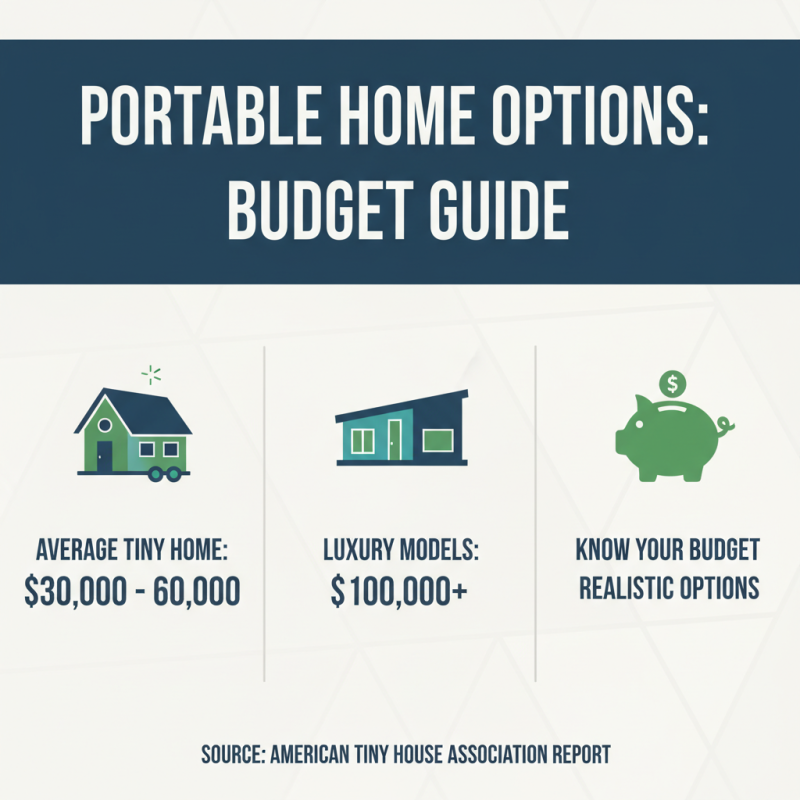
Assessing your budget is a critical step when considering portable home options, as these homes come in a wide range of prices depending on size, materials, and features. According to a report by the American Tiny House Association, the average cost of a tiny home can range from $30,000 to $60,000, while more luxurious models can exceed $100,000. Understanding where you stand financially can help streamline your search and ensure that you are looking at options that are realistically attainable for your situation.

It’s also essential to factor in additional costs beyond the initial purchase price of a portable home. Utilities, land rental, maintenance, and insurance can all impact your overall budget. A survey conducted by the National Association of Realtors indicated that homeowners should budget for 1% to 4% of their home’s value annually for maintenance. This insight underscores the importance of having a comprehensive budget that not only covers the cost of the home but also includes all associated living expenses. By carefully assessing your financial capabilities and long-term expenses, you can make a more educated decision that aligns with your lifestyle and financial goals.

Types of Portable Homes: Pros and Cons

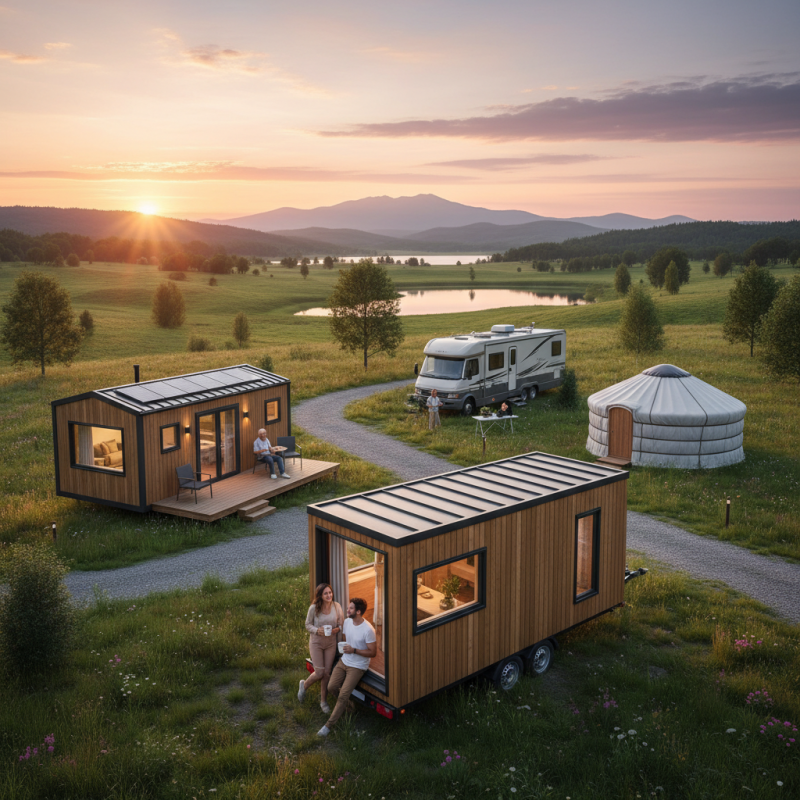
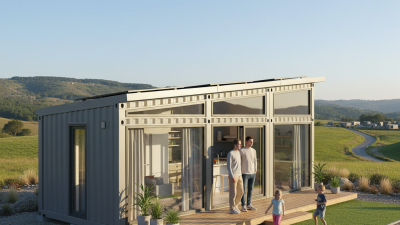
When considering portable homes, it’s essential to explore the various types available, each presenting its own set of advantages and disadvantages. One popular option is the tiny house, which promotes a minimalist lifestyle. These homes are typically energy-efficient and can be placed in diverse locations, providing flexibility for the owner. However, their limited space may not suit everyone, especially those who desire more room or have large families.

Another type is the modular home, which is constructed in sections and then transported and assembled on-site. The primary advantage of modular homes is their spaciousness and often traditional design, giving them a home-like feel. Nevertheless, they can come at a higher price point compared to tiny homes, and the assembly process can face delays depending on the manufacturer and local regulations. Additionally, there are also RVs as a form of portable living, which provide mobility and convenience. Yet, the downsides include smaller living areas and the need for regular maintenance on the vehicle. Each type of portable home offers various lifestyles that can cater to individual preferences and budget constraints.

Key Features to Consider in Portable Homes

When selecting a portable home, there are several key features to consider that directly impact both your lifestyle and budget. First and foremost, the design and layout of the portable home should align with your personal needs. According to a report from the International Organization for Migration, around 10% of the world’s population is moving towards more flexible living arrangements, emphasizing the demand for customizable spaces. Look for homes that offer modular designs, allowing you to adjust the layout according to your requirements, which can ultimately enhance your living experience.

Another crucial aspect is the sustainability and energy efficiency of the portable home. Recent statistics indicate that energy-efficient homes can save owners up to 30% on utility bills annually. Portable homes constructed with eco-friendly materials and equipped with high-quality insulation systems not only lower your environmental footprint but also contribute to substantial savings over time. Furthermore, features such as solar panels and rainwater collection systems can provide self-sufficiency, aligning with a growing trend among homeowners seeking to live more sustainably. Prioritizing these features will ensure your choice reflects both financial sensibility and environmental responsibility.

Choosing the Right Location for Your Portable Home

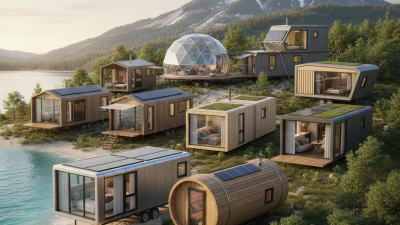
When selecting the perfect location for your portable home, it's essential to consider your lifestyle and preferences. The environment can significantly impact your living experience, so think about the natural surroundings that resonate with you. If you enjoy outdoor activities, look for areas near forests, lakes, or mountains. Conversely, if you prefer urban amenities, consider locations that offer convenient access to shops, restaurants, and cultural attractions. The right spot should align with your daily activities and leisure pursuits, enhancing your overall quality of life.

Additionally, evaluate the infrastructure and services available in prospective locations. This includes access to utilities such as water, electricity, and internet, which are crucial for comfortable living. Investigate local regulations regarding zoning and land use, as these can affect where you can place your portable home. Proximity to schools, healthcare facilities, and recreational areas is also vital, especially if you have a family or plan to engage in local communities. Balancing personal preferences with practical considerations will help you find a location that truly feels like home.