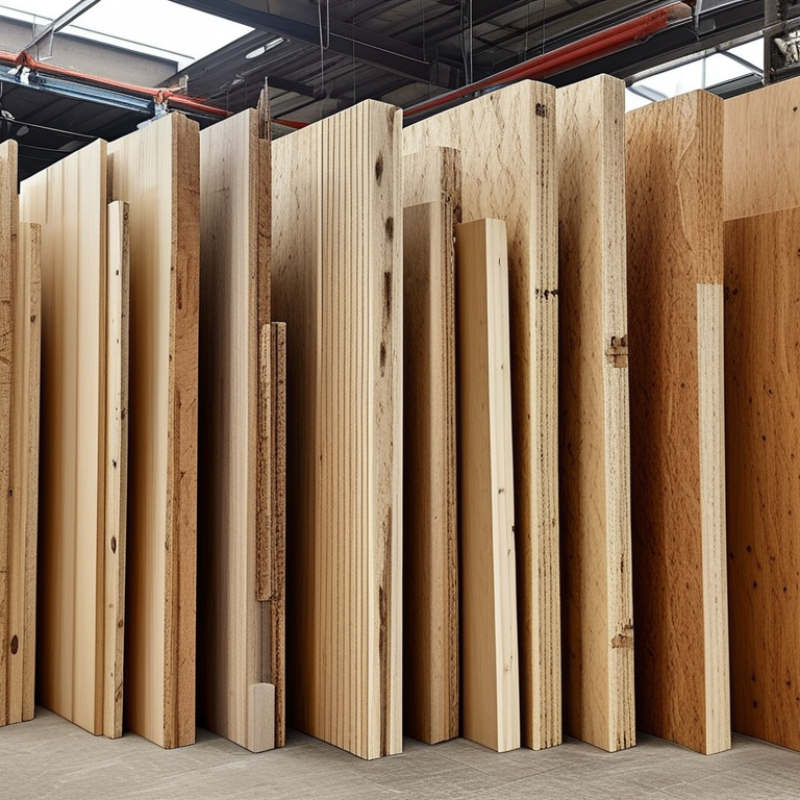
2026 How to Choose the Best Oak Plywood for Your Projects?
Choosing the right oak plywood for your projects can be challenging. With so many options available, it’s essential to understand your needs. Oak plywood is favored for its strength and aesthetic appeal. This wood type is often used in furniture, cabinetry, and flooring.
When selecting oak plywood, consider the grade. Higher-grade plywood is usually smoother and has fewer knots. However, it may not always be necessary for every project. Sometimes, a lower grade will suffice, especially for hidden structures.
In addition, look at the type of oak—red or white. Red oak has a pronounced grain, while white oak is more resistant to moisture. Each choice affects the final appearance and durability of your project. This decision can impact your overall satisfaction. Understanding oak plywood's properties can lead to better project outcomes. Aim for the best fit for your specific needs. Each project teaches its own lesson.
Understanding Oak Plywood: Types and Grades for Your Projects
When selecting the best oak plywood for your projects, understanding the types and grades is vital. Oak plywood comes in several grades, each with distinct characteristics. A-A grade is the highest quality, featuring a smooth surface with minimal defects. B grade offers good quality but includes some minor imperfections you may need to sand out. C to D grades are more economical but can have larger knots and rougher surfaces, ideal for less visible applications.
Tips: Always check the surface quality. A great finish begins with quality plywood. Look for uniform grain patterns and consistent thickness. Your project deserves the best.
The types of oak plywood vary as well. Red oak presents a warm, reddish hue, while white oak offers a lighter and more durable choice. Each type suits different aesthetics and project needs. Remember, not all projects require the highest grade. Evaluate your budget and the project's visibility before making a decision. Making mistakes can provide learning opportunities, so don’t hesitate to experiment.
Tips: Consider your project's end use. Save higher grades for visible surfaces. Use lower grades where they won't be seen to conserve resources. Prioritize function as much as appearance.
2026 How to Choose the Best Oak Plywood for Your Projects? - Understanding Oak Plywood: Types and Grades for Your Projects
Type of Oak Plywood
Thickness (inches)
Grade
Common Uses
Price Range ($ per sheet)
Red Oak Plywood
1/4
A/C
Furniture, Cabinetry
$30 - $50
White Oak Plywood
1/2
B/BB
Flooring, Boat Building
$40 - $70
Quarter Sawn Oak Plywood
3/4
A/A
High-End Furniture
$100 - $150
Veneered Oak Plywood
1/8
C
Wall Paneling, Crafts
$20 - $35
Evaluating Thickness and Dimensions for Optimal Performance
When choosing oak plywood for your projects, thickness and dimensions play crucial roles. Research from the Wood Products Council indicates that optimal performance often depends on selecting the right plywood thickness. Typically, 1/4 inch or 3/4 inch thickness is favored for various applications, where 3/4 inch offers superior structural integrity.
It’s important to evaluate dimensions carefully. Standard sizes usually range from 4x8 feet to 5x5 feet. Larger sheets reduce seams and improve overall strength. However, oversize panels can be cumbersome to handle. Consider your workspace and project needs while determining the right size.
Tips: Always measure your space before purchasing. Accurate measurements ensure that you select the best fit. Additionally, pro-grade recommendations suggest inspecting the veneer face for consistent quality and grain pattern. Minor imperfections may affect the final appearance, so prioritize aesthetics based on your project's vision.
Examining Strength and Durability in Oak Plywood Options
When choosing oak plywood, strength and durability are critical factors. Oak is known for its resilience. The core of the plywood can significantly affect its sturdiness. A higher veneer thickness often leads to increased durability. Check the ply construction carefully. More layers usually mean better structural integrity.
Consider environmental factors as well. Moisture can warp and weaken plywood. Look for options treated for water resistance if your project will be exposed to humidity. Some oak plywood is designed to withstand scratches, which is essential for furniture. Keep in mind the rate of wear over time.
In some cases, you may find variations in quality. Not all oak plywood offers the same performance levels. Inspect physical samples when possible. Pay attention to the finish. A well-applied finish can enhance both strength and longevity. However, finishes can also hide imperfections. Don't overlook this aspect during your selection process. Aim for options that balance aesthetic appeal with practical functionality.
Analyzing Cost Factors and Budget Considerations for Selection
When choosing oak plywood, budget plays a crucial role. The price of oak plywood can vary significantly based on quality and thickness. Basic grades might seem tempting, but they often lack durability. A lower upfront cost can lead to disappointments later on, such as warping or splitting.
Consider long-term investments with oak plywood. Higher quality materials save money over time due to less waste and need for replacements. Determine your project requirements to avoid overspending or buying unnecessary features. Your specific needs will guide you toward the right balance between cost and quality.
Visualize your project. Think about how different grades of plywood will impact your design. Aesthetic appeal and structural integrity often correlate with quality. Reflect on whether you want to compromise on these aspects for a lower price point. Every decision holds weight in your project's success, so choose wisely.
Sourcing Sustainable Oak Plywood: Certifications and Suppliers
When sourcing sustainable oak plywood, it's vital to look for credible certifications. Organizations like the Forest Stewardship Council (FSC) and the Programme for the Endorsement of Forest Certification (PEFC) ensure that materials are sourced responsibly. These certifications indicate compliance with environmental guidelines. In fact, a report by the Forest Products Laboratory highlights that sustainably sourced wood reduces deforestation impacts significantly.
Choosing the right supplier also matters. Look for those who follow ethical practices and maintain transparency. Reliable suppliers often share their sourcing processes and certifications openly. In a survey conducted by the American Plywood Association, 78% of customers prefer suppliers who provide complete information about their products. This level of transparency builds trust and promotes sustainability in the industry.
Tip: Always ask for documentation when purchasing. This can include chain-of-custody certificates. It’s also beneficial to inquire about the supplier’s commitment to sustainable sourcing. Doing your due diligence now can save you from challenges later. Another tip is to check reviews and case studies. They offer insight into the supplier’s reliability and product quality.