How to Choose the Perfect Office Container for Your Business Needs
In the modern business landscape, flexibility and adaptability have become paramount, with many companies exploring innovative solutions to optimize their operational efficiency. The use of office containers has emerged as a practical approach to meet diverse workspace needs, driven by the demand for cost-effective, modular, and sustainable environments. A recent report from the Global Workplace Analytics highlights that approximately 30% of organizations are shifting towards flexible workspaces, with increasing interest in portable solutions. This transition not only supports a versatile working environment but also allows businesses to respond rapidly to changing market conditions.
Choosing the perfect office container for your business requires a comprehensive understanding of your specific needs and the myriad of options available in the market. According to the U.S. Green Building Council, the demand for sustainable building practices continues to rise, with many companies seeking eco-friendly solutions that office containers can often provide. With considerations such as space requirements, design preferences, and budget constraints, it is critical to evaluate various factors that influence the effectiveness and functionality of the chosen space. Ultimately, the right office container can enhance productivity, foster collaboration, and create a conducive atmosphere tailored to the unique requirements of your business.
Assessing Your Business Requirements for Office Containers
When considering office containers for your business, it is essential to first assess your specific requirements. A recent industry report by IBISWorld suggests that the modular office space market has seen a growth of approximately 7.4% annually over the past five years, highlighting a trend towards flexible workspace solutions. Businesses that prioritize adaptability and cost efficiency are turning to office containers, as they can be custom-designed to meet varying needs. Analyzing factors such as the number of employees, required amenities, and preferred layout can help streamline the selection process.
Additionally, understanding the environmental impact and sustainability goals of your business will play a crucial role in your choice of office containers. According to a study by the Global Built Environment Outlook, sustainable construction practices are increasingly valued, with 35% of businesses actively seeking eco-friendly materials and designs. Choosing containers made from recycled materials or those that incorporate energy-efficient features can significantly align with a company’s sustainability objectives. This not only meets regulatory requirements but also enhances the corporate image in a marketplace that increasingly favors environmentally conscious practices.
Evaluating Different Types of Office Containers Available
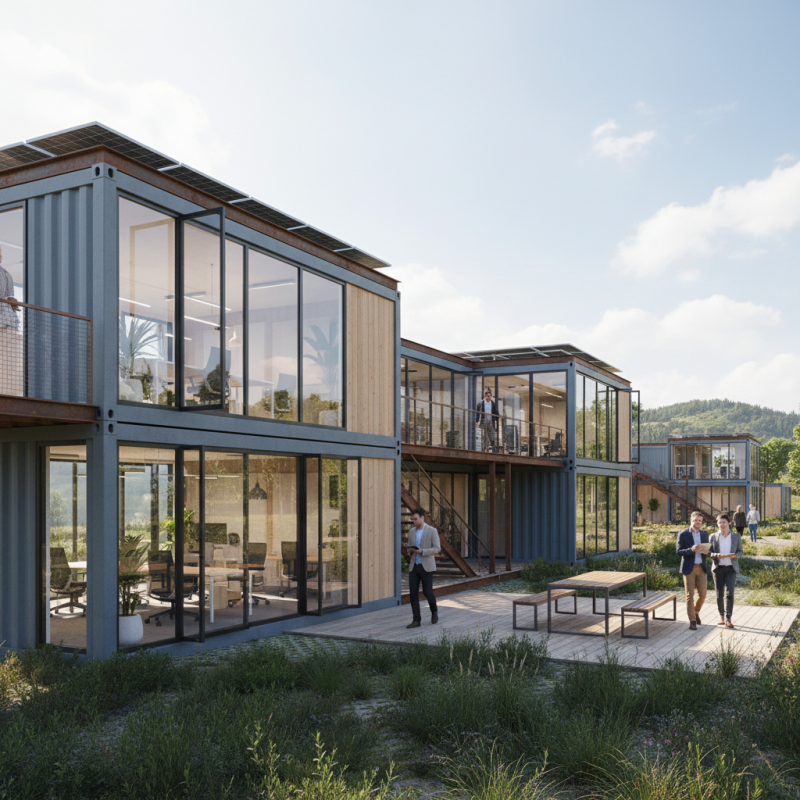
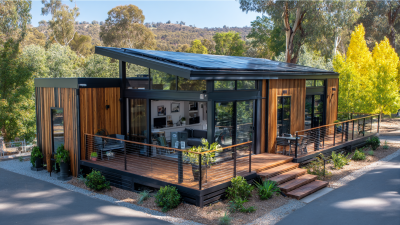
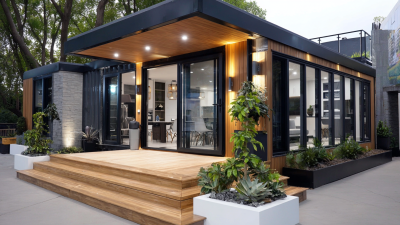
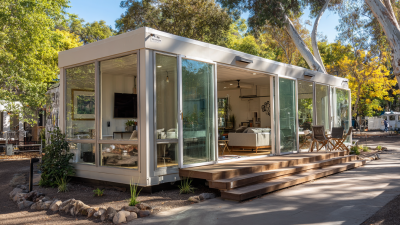
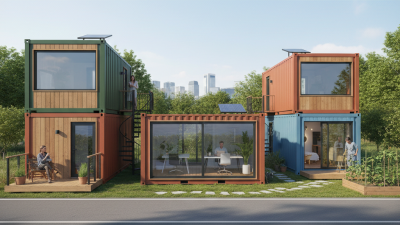
When evaluating different types of office containers available for your business needs, it is essential to consider the specific functionalities each type offers. Office containers come in various forms, including shipping containers, modular buildings, and portable cabins, each tailored for different purposes. Shipping containers are highly durable and provide excellent security, making them ideal for businesses needing a robust, mobile office solution. Modular buildings, while more traditional in appearance, offer customization options and are suitable for businesses focused on long-term use.
When selecting the right type of office container, it's crucial to assess your space requirements and functionality needs. **Tip:** Always measure your available space and plan for essential amenities like electricity and water supply to ensure the container meets your operational standards.
Additionally, think about the potential for future expansion. Your business may grow, and your office space should be adaptable to changes. **Tip:** Choose a container that can be easily modified or added to, providing flexibility as your business evolves. Look into insulation and climate control options if your office will be in a location with extreme weather, ensuring a comfortable work environment year-round.
Key Features to Consider When Choosing an Office Container
When selecting the ideal office container for your business, there are several key features to keep in mind. First and foremost, consider the size and layout of the container. Depending on your specific needs, you may require a larger space to accommodate multiple employees or specialized equipment. Evaluate how the interior layout can be optimized for productivity, ensuring that workstations and meeting areas are designed to promote efficiency.
Another important aspect is the durability and insulation of the container. Look for high-quality materials that can withstand various weather conditions while providing a comfortable work environment. Insulation is crucial, especially in extreme climates, as it affects energy efficiency and employee comfort. Additionally, think about mobility and flexibility; having a container that can be easily relocated allows your business to adapt to changing requirements or new opportunities.
Finally, don't overlook the importance of security features. As you'll be housing sensitive documents and equipment, a container equipped with robust locking mechanisms and security systems is essential. Integrating technology, such as access control systems, can further enhance the safety of your office space. By focusing on these key features, you can select an office container that not only meets your current business needs but also grows with you in the future.
How to Choose the Perfect Office Container for Your Business Needs - Key Features to Consider When Choosing an Office Container
Feature
Description
Importance Level
Cost Impact
Size
The dimensions of the container to fit your space requirements.
High
Medium
Insulation
Quality of insulation material for temperature control.
High
High
Accessibility
Ease of access for employees and clients.
Medium
Medium
Utilities
Availability of essential services like water and electricity.
High
High
Security
Features such as locks and alarm systems for safety.
Medium
Low
Mobility
Ability to relocate the container as necessary.
Medium
Medium
Analyzing Budget Constraints and Cost-Effectiveness
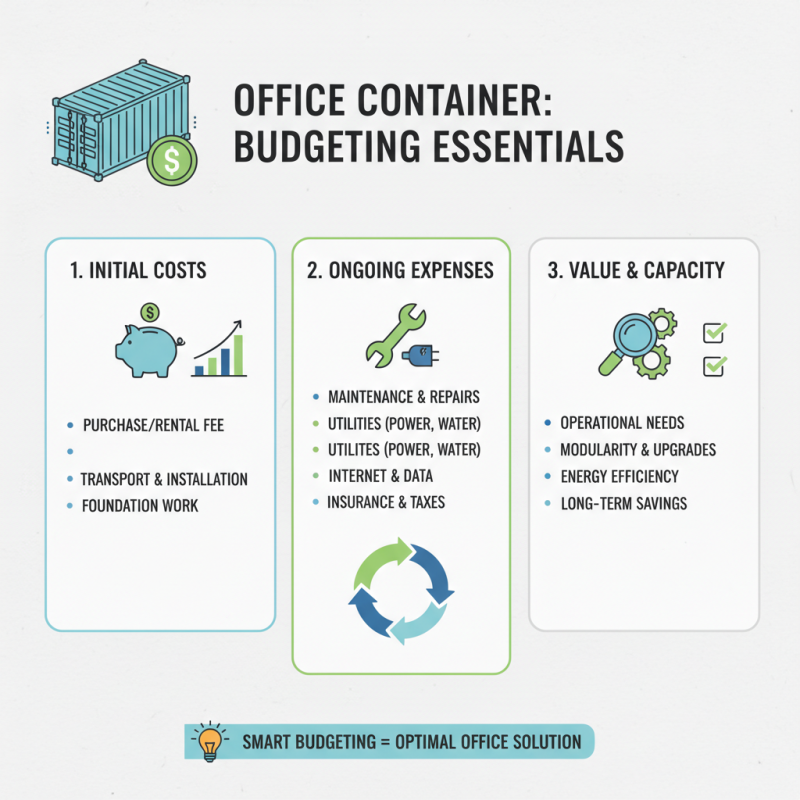
When selecting the perfect office container for your business, analyzing budget constraints is crucial to ensuring that you choose a solution that meets both your operational needs and financial capacity. Start by assessing your overall budget, including not just the initial purchase or rental cost, but also ongoing expenses such as maintenance, utilities, and any necessary upgrades. Having a comprehensive understanding of your financial limitations will guide you in identifying options that provide the best value without compromising on quality or functionality.
Cost-effectiveness should also play a vital role in your decision-making process. This involves weighing the long-term benefits of your chosen office container against its initial cost. Consider factors such as durability and adaptability—containers that can be easily modified or expanded may offer better value over time, allowing for seamless scalability as your business grows. Additionally, investing in energy-efficient features can significantly reduce operational costs, making certain options more appealing despite a higher upfront price. By carefully evaluating these financial aspects, you can select an office container that not only fits your budget but also supports your business's long-term success.
Understanding Local Regulations and Compliance for Office Containers
When selecting an office container for your business, understanding local regulations and compliance is crucial. Every jurisdiction may have specific requirements regarding the placement, design, and usage of office containers. It is important to consult with local government offices or zoning boards to ensure that your container meets all necessary guidelines. This includes regulations related to building permits, safety codes, and accessibility standards, which can vary significantly from one area to another.
In addition to zoning laws, environmental considerations must also be taken into account. Many localities impose restrictions on how office containers can affect the surrounding environment, including waste management and space usage. Ensuring that your container adheres to these regulations not only helps in avoiding fines and legal issues but also promotes a sustainable business model. By being proactive in understanding and complying with local regulations, you can create a well-functioning office space that meets all legal requirements and supports your business operations effectively.