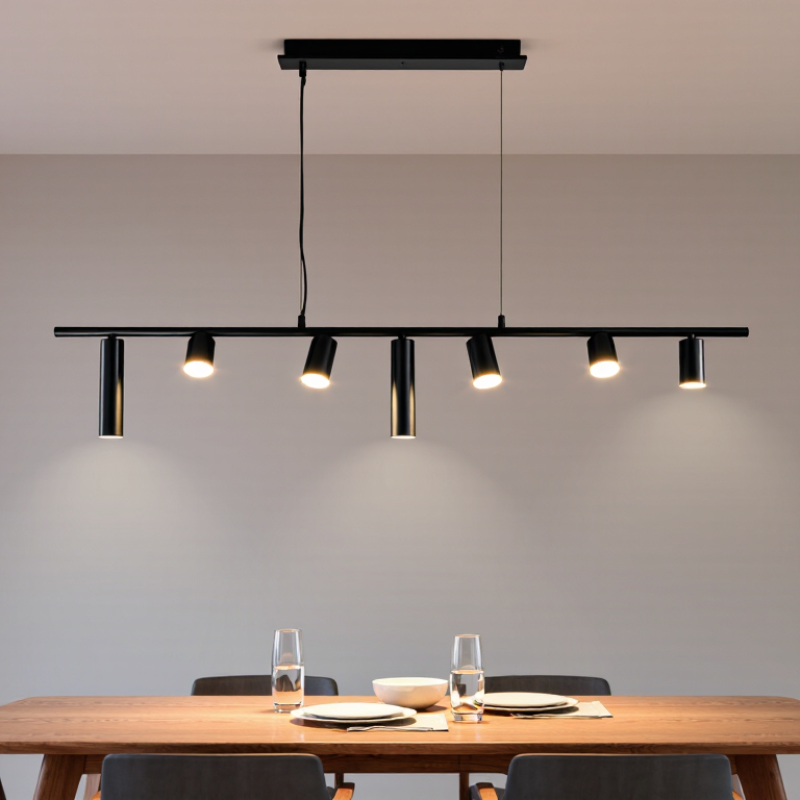
| Magnetic Track Compatibility | Confirm the pendant is designed for the specified track system, including its electrical configuration, connector type, and rated operating conditions. | Product datasheets, installation instructions, and a compatibility test using the intended track and power supply. | Magnetic track systems are not automatically interchangeable. Matching components helps avoid fit, connection, and operating problems. |
| Electrical and Photometric Specifications | Check input voltage, power, dimming method, light output, color temperature, color rendering information, and beam angle where applicable. | Consistent technical datasheets and test reports for the exact model or configuration being quoted. | Clear, verifiable specifications make it easier to compare products and confirm that they suit the intended space and controls. |
| Product Safety and Market Compliance | Identify the destination market and verify which electrical safety and regulatory requirements apply to the product and its components. | Relevant certificates or declarations, supporting test reports, and model details that match the offered product. | Requirements differ by market and product. Documentation should be checked for scope, validity, and model coverage rather than assumed from a logo alone. |
| Quality Control Process | Ask how incoming components, assembly, electrical performance, and finished products are inspected. | Written inspection procedures, sample inspection records, and agreed acceptance criteria for production orders. | A documented process provides a clearer basis for assessing consistency between samples and delivered batches. |
| Materials and Construction | Review the housing, finish, connector, suspension parts, and heat-management design for the intended installation conditions. | Material specifications, product drawings, samples, and details of applicable environmental or durability tests. | Construction affects appearance, installation, heat dissipation, and suitability for the project environment. |
| Customization and Engineering Support | Clarify available options such as dimensions, finishes, light distribution, cable length, control compatibility, and packaging. | Approved drawings, written technical responses, prototypes where needed, and a documented change-control process. | Reliable engineering communication helps ensure that custom requirements are understood and carried through production. |
| Production and Delivery Capability | Assess whether the supplier can meet the required quantity, schedule, packaging, and shipment terms. | A production plan, lead-time assumptions, order milestones, and written packaging and shipping specifications. | Capacity and delivery commitments should be evaluated against the actual order rather than inferred from general sales claims. |
| Sample-to-Order Consistency | Compare the approved sample and specification with the production order, including model identifiers and agreed tolerances. | Signed-off sample records, approved specifications, and pre-shipment inspection results when required. | Documented approvals reduce ambiguity about what was evaluated and what is expected in the delivered goods. |
| Warranty and After-Sales Support | Review warranty terms, defect-reporting procedures, spare-part availability, and response responsibilities. | Written warranty conditions and a clear process for technical support and issue resolution. | Written terms make post-sale responsibilities easier to understand and manage. |
| Supplier Verification | Confirm the supplier’s legal identity, business scope, manufacturing or sourcing role, and ability to provide traceable product documentation. | Business registration information, facility or process evidence where relevant, references, and consistent product records. | Verification helps distinguish a manufacturer from a trading or sourcing intermediary and supports more informed supplier selection. |


 Your message must be between 20-3,000 characters!