logo

China Top Prefab Homes Innovations and Trends in Sustainable Living?

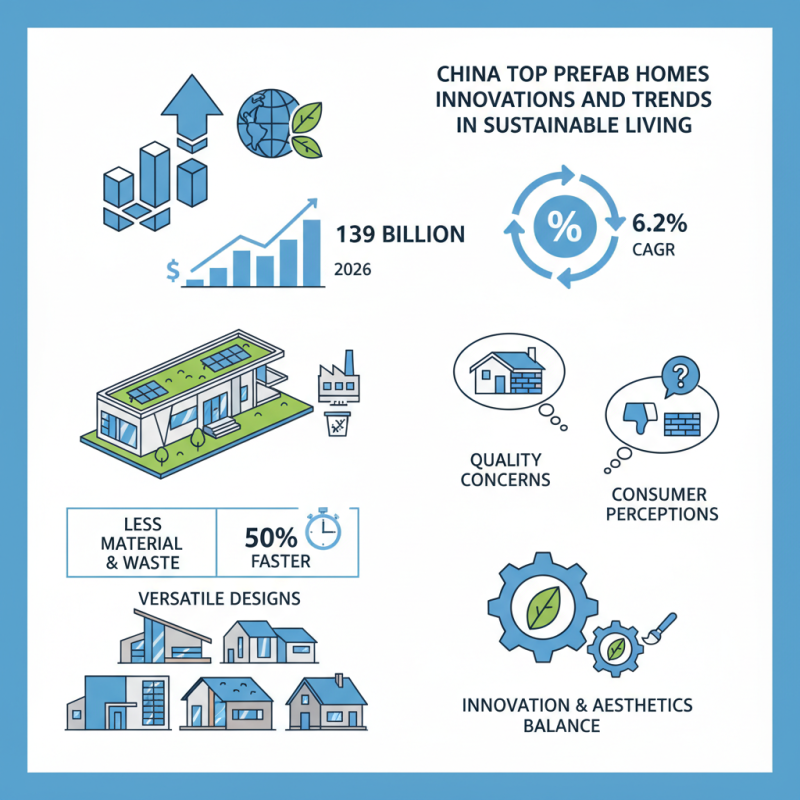
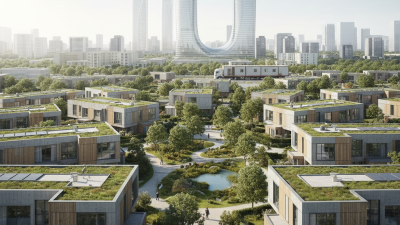
As urbanization accelerates, sustainable living becomes a priority. Prefab homes emerge as a key player in this movement. According to a report by Research and Markets, the global prefab housing market is projected to reach $139 billion by 2026, growing at a CAGR of 6.2%. This trend highlights the increasing demand for innovative housing solutions.

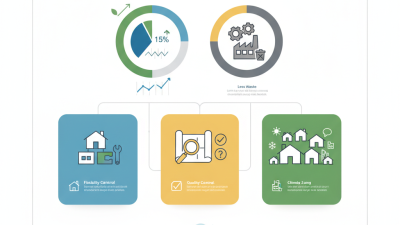
In China, prefab homes are on the rise, driven by a desire for sustainability. These structures use less material and produce less waste compared to traditional buildings. A survey by McKinsey indicates that modular construction can reduce project timelines by up to 50%. However, challenges remain in quality control and consumer perceptions.

The versatility of prefab homes allows for diverse designs tailored to different climates and lifestyles. Yet, some critics argue that these homes often lack the charm of conventional houses. This ongoing evolution in the industry invites a reflection on balancing innovation with traditional aesthetics in sustainable living.

China Top Prefab Homes Innovations and Trends in Sustainable Living?

China's Emergence as a Leader in Prefab Homes Technology

China has rapidly established itself as a prominent player in the world of prefab homes technology. According to a recent industry report from Statista, the prefab housing market in China is projected to surpass USD 80 billion by 2025. This growth is fueled by increasing urbanization and the need for sustainable housing solutions. Prefab homes are being recognized for their efficiency and eco-friendliness. Many designs incorporate renewable materials and energy-efficient methods that significantly lower carbon footprints.

Tips: Consider the environmental impact of your housing choices. Opt for materials that are sustainable and recyclable.

However, while innovation thrives, some challenges remain. Quality control in mass production is often inconsistent. A study by the China Academy of Building Research highlights that nearly 25% of manufactured homes face issues due to inadequate monitoring. This raises concerns about long-term durability and safety, underscoring the need for rigorous standards in construction.

Tips: Always verify the certifications and quality standards of prefab homes before making a decision.

As China leads the charge in this industry, the focus must remain on evolving technology while addressing these imperfections. Balancing rapid development with sustainability remains crucial as the nation sets benchmarks for the global prefab market.

China's Innovations in Prefab Homes and Trends in Sustainable Living

Innovative Materials Driving Prefab Home Sustainability in China

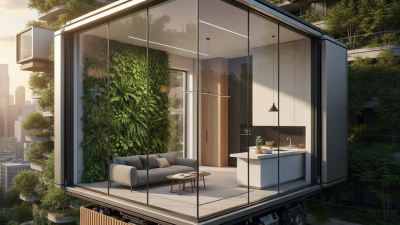
In recent years, China's prefab homes have evolved significantly, driven by innovative materials that promote sustainability. Builders are increasingly utilizing recycled materials, such as plastic waste and industrial byproducts, to create eco-friendly structures. These materials reduce the demand for new resources and lower carbon footprints. They also enhance durability, meaning homes can withstand extreme weather.

Another fascinating trend is the integration of insulation technology. New materials, like aerogels, provide superior thermal efficiency. They keep homes warm in winter and cool in summer. This efficiency translates to reduced energy consumption, which is crucial for sustainable living. Nevertheless, the reliance on novel materials poses challenges. Familiarity with these products is still developing among builders and consumers. This gap can lead to uncertainty in long-term performance and maintenance.

Additionally, smart home technology is gaining traction in prefab designs. Integrating solar panels and energy-efficient systems is common. However, the initial investment can be daunting for many homeowners. Balancing cost with sustainability remains a critical conversation. As China forges ahead with prefab innovations, ongoing education about benefits and limitations is essential for the broader market acceptance.

Trends in Eco-Friendly Design and Energy Efficiency for Prefab Homes

China Top Prefab Homes Innovations and Trends in Sustainable Living?

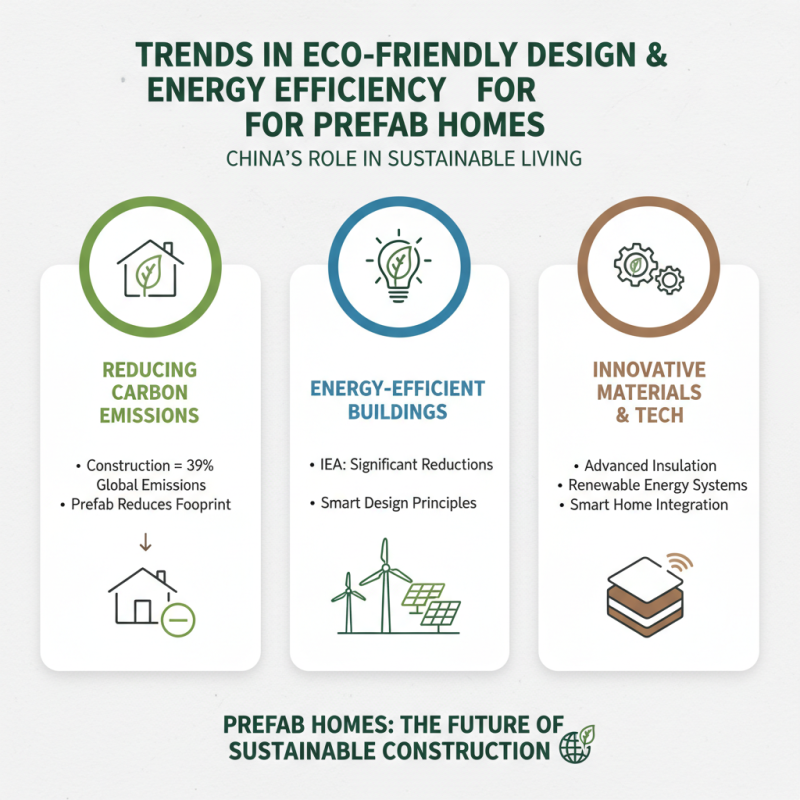
In recent years, prefab homes in China have emerged as a key player in sustainable living. With the construction industry responsible for nearly 39% of global carbon emissions, innovative design trends are critical. A study by the International Energy Agency highlights that energy-efficient buildings can significantly reduce this footprint. Prefab homes utilize advanced materials and smart design to improve energy efficiency.

Key features include solar panels and high-performance insulation. Energy consumption can be reduced by up to 40% when these elements are combined. Additionally, many manufacturers are focusing on modular designs. This allows for factory-based construction, which minimizes waste and employs sustainable materials. A report by Green Building Council suggests that up to 70% less construction waste is generated through prefab methods.

However, challenges persist. Not all prefab homes meet the same sustainability standards. Many homeowners still face difficulties in integrating energy-efficient technology. Awareness of eco-friendly practices is also uneven across regions. Continuous education and innovation are needed in this rapidly evolving sector. As trends shift, ongoing research will be essential to ensure that prefab homes truly fulfill their promise of sustainable living.

Government Policies Supporting Prefab Housing and Sustainable Living

China is experiencing a significant shift towards prefab housing as part of its sustainable living initiatives. The government has implemented various policies to promote eco-friendly construction. These regulations aim to reduce carbon emissions and minimize waste. Financial incentives are provided to developers who prioritize green technologies. This support has created a thriving market for prefab homes, showcasing their potential for sustainable urban development.

Local governments are exploring innovative designs and building methods that align with environmental goals. Some municipalities have adopted measures that encourage the use of recycled materials. However, not all prefab projects meet the high standards set by these policies. Quality control remains a challenge in the fast-paced construction environment. Some homes may prioritize speed over durability, raising questions about long-term sustainability.

Community engagement is another critical aspect of these initiatives. Residents are increasingly involved in discussions about housing developments in their neighborhoods. Yet, there can be a disconnect between government plans and local needs. Listening to community feedback can enhance the efficacy of prefab housing policies. A collaborative approach may lead to more successful, sustainable living solutions in urban areas.

Market Demand and Consumer Preferences for Prefab Homes in China

China Top Prefab Homes Innovations and Trends in Sustainable Living?

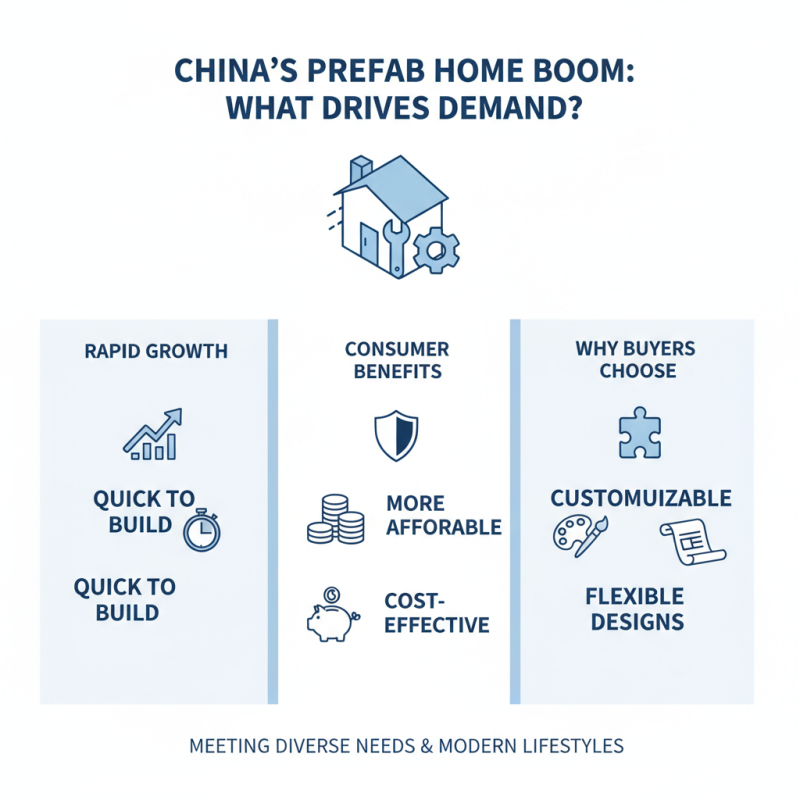
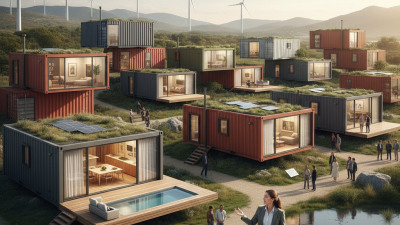
The demand for prefab homes in China is growing rapidly. Consumers appreciate the benefits these homes offer. They are quick to build and typically more affordable than traditional houses. Prefab homes can also be customized to meet specific needs. This flexibility makes them attractive to a wide range of buyers.

Recent trends show a strong preference for sustainable living. Many buyers look for energy-efficient materials and designs that minimize waste. Water-saving features and solar energy options are increasingly important. However, not every prefab option on the market meets these sustainability criteria. Consumers should research thoroughly before making a decision.

Tips: Consider your lifestyle before choosing a prefab design. Seek out homes that blend with their environment. Aim for designs that utilize natural light and promote ventilation. Pay attention to long-term maintenance costs, as some materials may have hidden expenses.