How to Build a Modular House Efficiently and Affordably?
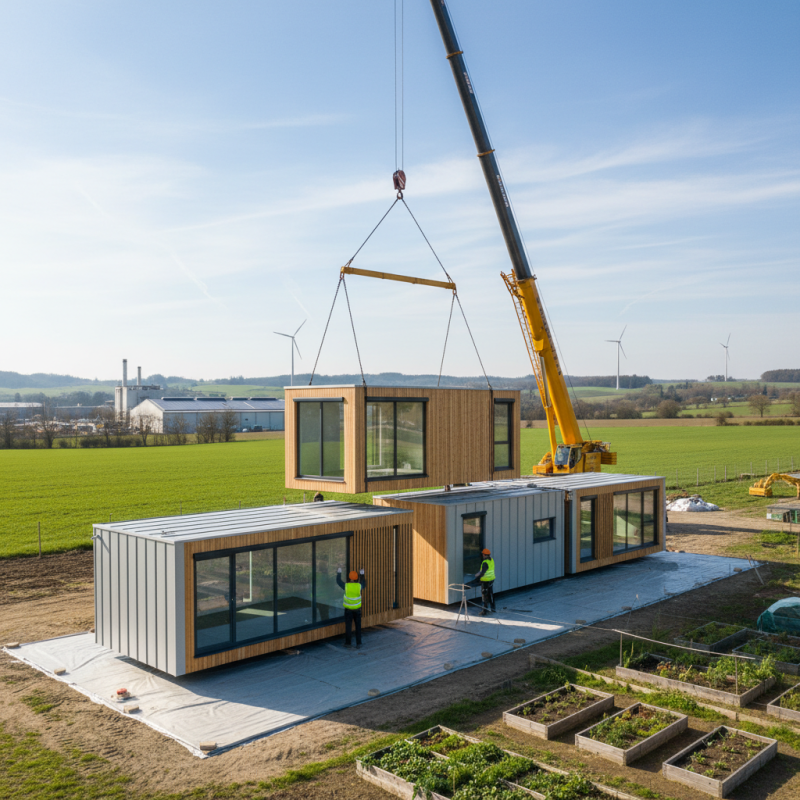
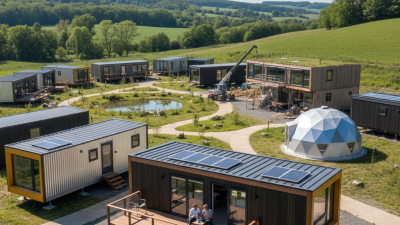
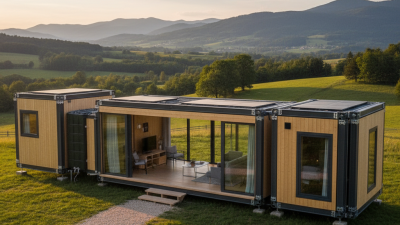
Building a modular house offers a unique solution for modern living. This approach prioritizes efficiency and cost-effectiveness. A modular house can be constructed in a factory setting, which streamlines the building process. This method reduces waste and minimizes construction time, making it an attractive option for many.
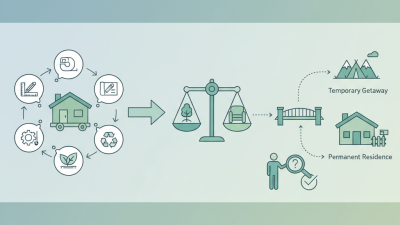
However, there are challenges to consider. Not all designs fit every lifestyle. Customization can lead to increased costs, which may defeat the purpose of affordability. Some people worry about the long-term durability of modular homes compared to traditional houses. It's essential to research materials and manufacturers thoroughly before committing.
Creating a modular house that meets all needs involves careful planning. Budget constraints can shape the design choices available. The modular approach can benefit those seeking sustainable living solutions, but it requires thoughtful reflection. Embracing this innovative idea can change how we think about home construction.
Understanding Modular Housing: Definition and Benefits
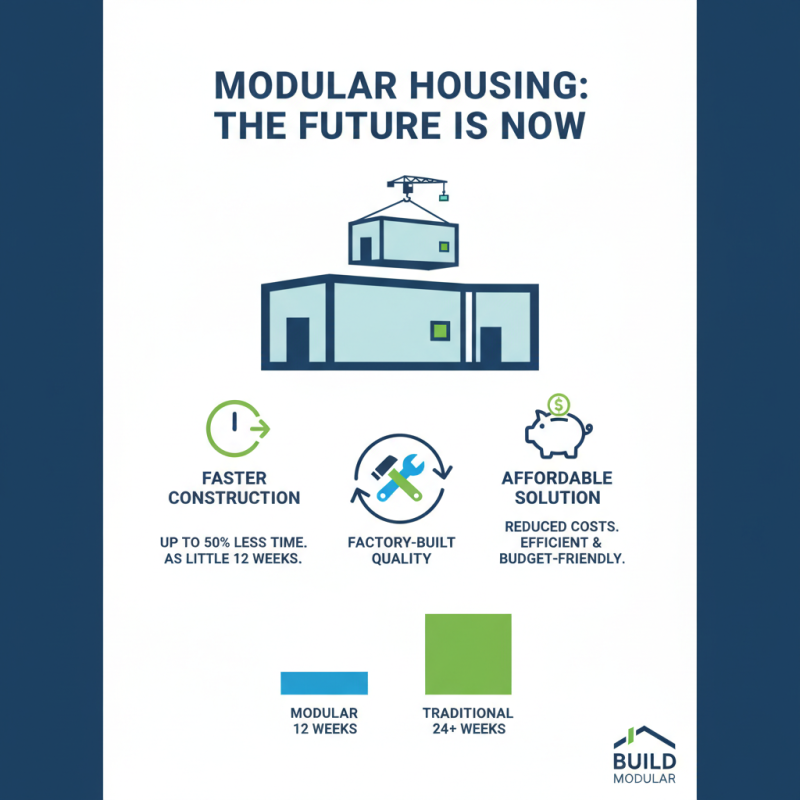
Modular housing is gaining traction as an efficient and affordable solution to the housing crisis. Modular homes are built in sections in a factory setting and then transported to the site for assembly. This method significantly reduces construction time by up to 50%. According to a report by the Modular Building Institute, these homes can be completed in as little as 12 weeks compared to traditional builds that often take longer.
The benefits extend beyond time savings. Modular homes often use sustainable materials, promoting eco-friendly living. A study by McGraw Hill found that 60% of modular home builders incorporate green building practices. This not only reduces environmental impact but also lowers long-term utility costs for homeowners.
However, the perception of modular homes as lower quality persists. Some people worry about aesthetics and longevity. It's important to remember that standards vary widely. Not all modular homes meet the same quality benchmarks. Buyers should do their research to ensure they choose reputable manufacturers. Despite these challenges, the advantages of modular housing present a compelling case for prospective homeowners.
Key Factors in Choosing Modular Home Design Plans
When choosing modular home design plans, several key factors come into play. First, think about your lifestyle needs. Families may need more space, while singles might prioritize compact designs. Research shows that about 60% of buyers prefer customization options. Select plans that offer flexibility in layout and features. This ensures the home grows with you.
Budget considerations are crucial as well. According to industry reports, modular homes can save you 10-20% compared to traditional builds. However, unexpected costs can arise. Choose plans with transparent pricing. Investigate what is included and what isn't. Hidden fees can derail budget expectations.
**Tip:** Prioritize energy-efficient designs. Not only do they reduce utility costs, but they also enhance the home's long-term value.
Another important factor is the location of the build. Certain designs work better in specific climates. For instance, multi-story homes may not be ideal in areas prone to heavy wind. Research local building codes, as they can significantly impact your design choice.
**Tip:** Always consult with a knowledgeable architect or contractor. Their insights can prevent missteps that can turn into costly errors.
Materials and Construction Techniques for Modular Homes
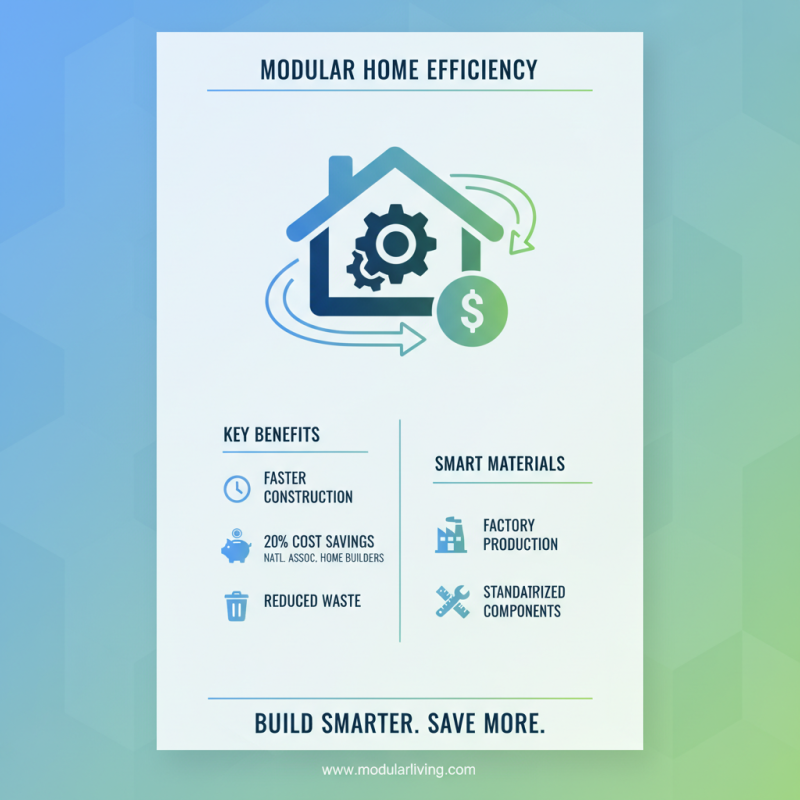
Building a modular home can be efficient. However, the choice of materials is crucial. According to a report by the National Association of Home Builders, modular homes can save 20% on construction costs. This is largely due to factory production. The use of standardized materials also leads to reduced waste.
Wood is a common choice for modular homes. It offers a good strength-to-weight ratio. However, sourcing sustainable wood is essential. Some builders have faced challenges with quality variability in materials. Steel framing is gaining popularity as a more durable alternative. It's resistant to pests and moisture but can be more expensive.
Insulation is another critical factor. The U.S. Department of Energy suggests that proper insulation can reduce energy bills by 30%. Spray foam insulation is an effective method, though it can be pricey. There are concerns about off-gassing. This is a topic that requires further investigation. Overall, the combination of careful material selection and effective construction techniques can lead to successful modular housing projects.
Cost-Saving Strategies in Modular Home Construction
When building a modular house, cost-saving strategies are essential. One effective method is to simplify the design. A compact layout reduces material waste.
Fewer custom features lead to savings. Consider standard sizes for windows and doors. This often cuts costs significantly.
While a unique design is tempting, practicality can save you money.
Another tip is to choose materials wisely. Research affordable options that are durable. Look for local suppliers to cut shipping costs.
Use energy-efficient materials. They may require higher initial investment but save money in the long run.
Pay attention to every small detail. Small choices can add up fast, for better or worse.
Planning is crucial. Create a detailed budget before starting. Monitor expenses closely throughout the process. Unexpected costs can arise.
Be flexible in your approach. If something doesn’t work out, re-evaluate and adjust. Reflecting on what you spend helps avoid future mistakes.
Balancing efficiency and affordability takes time and effort.
Sustainable Practices in Modular House Building
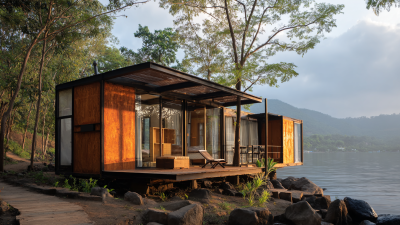
Building a modular house can be a sustainable choice. Using eco-friendly materials is crucial. Recycled steel or bamboo can reduce waste significantly. Additionally, energy-efficient design is important.
Large windows can enhance natural light and reduce electricity use.
Water conservation systems can also be integrated. Rainwater harvesting systems are a great option. They minimize dependency on municipal water supply. However, implementing these systems may require a larger initial investment. Some homeowners find themselves over budget because of this.
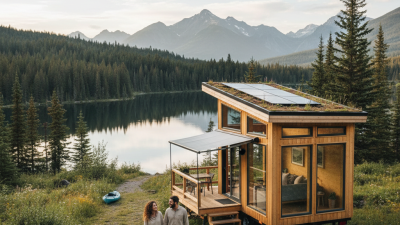
Another important aspect is the use of renewable energy. Solar panels can greatly decrease energy bills. But, homeowners must consider their location and exposure to sunlight. It can be an imperfect solution depending on geographic factors. Keeping all these factors in mind can lead to a more efficient and sustainable building process.