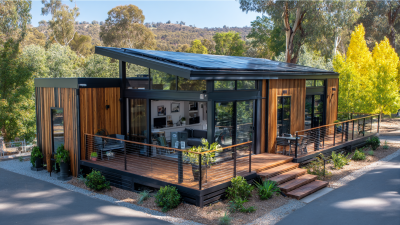
How to Build a Container House on a Budget and Save Money
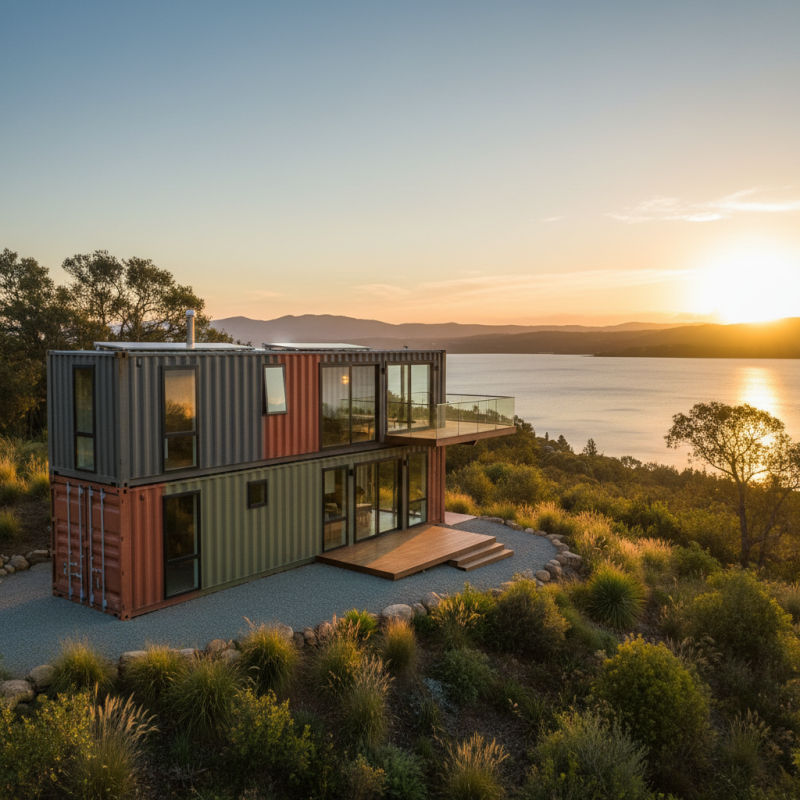
Building a container house can be an innovative and economical solution for those looking to create a unique living space without breaking the bank. According to Mark W. Jones, a recognized expert in sustainable architecture and container home design, "Container houses provide an opportunity to rethink our living spaces while being mindful of both our budgets and the environment." This sentiment reflects the growing trend towards utilizing shipping containers as viable homes that not only offer affordability but also sustainability.
As the demand for affordable housing rises, many individuals and families are exploring the potential of constructing a container house. These structures not only present a cost-effective alternative to traditional housing but also allow for creative design and efficient use of space. By repurposing shipping containers, homeowners can significantly reduce construction costs, all while contributing to greener building practices. This introduction serves as a guide to help you navigate the key steps needed to build your own container house on a budget, ensuring that your dream home is both economical and environmentally friendly.
Container houses have gained popularity in recent years for their affordability and sustainable nature. Understanding the benefits of container housing can provide insight for those looking to build on a budget. According to a report by the Container Housing Institute, constructing a container home can cost as little as 20-30% less than traditional building methods, making it an attractive option for budget-conscious individuals. Additionally, the durability of shipping containers allows for a long lifespan with minimal maintenance, which can significantly lower long-term costs.
One of the key advantages of container houses is their environmental impact. The reuse of shipping containers contributes to waste reduction, with an estimated 500,000 containers sitting unused in the United States alone. By repurposing these materials, homeowners not only save money but also participate in a more sustainable construction practice. Furthermore, container homes can be designed to be energy-efficient, with many developers incorporating solar panels and effective insulation, which can lead to further savings on utility bills. Transitioning to a container house supports both financial and environmental sustainability, making it a viable choice for many.
Planning Your Container House Budget Effectively
When planning your container house budget effectively, the first step is to create a detailed list of all expected expenses. This includes the cost of the containers themselves, which can vary based on size and condition, as well as transportation and site preparation costs. It's essential to factor in utilities like plumbing, electrical work, and insulation to ensure the house is livable. Additionally, consider labor costs if you are hiring contractors, or the tools and materials you’ll need if you plan to do the work yourself.
Another significant aspect of budgeting is setting aside a contingency fund. Unexpected expenses are common when building, so having at least 10-15% of your total budget reserved for unforeseen issues can save you from financial strain. Prioritize your spending by identifying must-have features versus nice-to-haves, allowing you to allocate funds more strategically. This step not only aids in maintaining financial discipline but also helps in making informed choices that align with your overall vision for the container house while staying within budget.
Choosing the Right Containers for Your Build
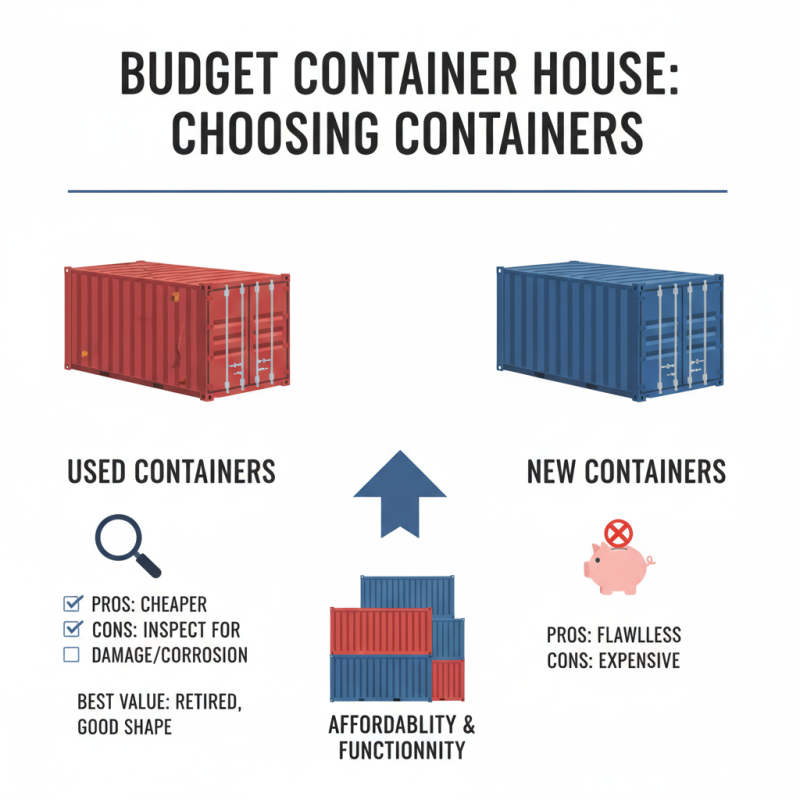
When embarking on the journey of building a container house on a budget, selecting the right containers is crucial for ensuring both affordability and functionality. First, consider the condition of the containers. Used containers are often significantly cheaper than new ones, but it's essential to inspect them thoroughly for any structural damage or corrosion. A good practice is to look for containers that have been retired from shipping service but are still in good shape, as these can often provide the best balance between cost and usability.
Another important factor to consider is the size and type of containers needed for your build. Standard shipping containers come in various sizes, with 20-foot and 40-foot options being the most common. Your choice should align with your design plans and spatial needs. Additionally, think about how you can creatively combine multiple containers to maximize your living area while minimizing waste. Modular designs can help you save money on materials and construction time. Ultimately, making informed decisions about the containers can lead to substantial savings and a beautiful, functional home.
Essential DIY Techniques to Reduce Costs
Building a container house on a budget is entirely achievable with some essential DIY techniques. One of the most effective ways to save money is by opting for second-hand shipping containers. Purchasing used containers not only reduces initial costs but also minimizes the environmental impact. Inspect containers thoroughly for structural integrity before purchase, as ensuring durability will lower repair costs down the line.
To further cut expenses, consider taking on as much of the construction work as you can. Familiarize yourself with basic construction skills, such as welding and insulation installation, through online tutorials and workshops. This can eliminate the costs of hiring contractors for simple tasks.
Tips: Start with a solid plan that outlines your design and material needs. Create a budget that includes all aspects of construction, from permits to finishing touches. Seek out local suppliers for materials and negotiate prices where possible. Additionally, repurposing old materials or furnishings for your container home can add character without breaking the bank. Remember, creativity in sourcing and a willingness to learn new skills are key to building your ideal home affordably.
Cost Breakdown of Building a Container House
This bar chart illustrates the breakdown of costs associated with building a container house on a budget. It highlights key areas where DIY techniques can significantly reduce expenses, allowing homeowners to make informed decisions in their building process.
Finding Affordable Resources and Material Suppliers
Building a container house can be a cost-effective solution for many looking to create a unique living space. When it comes to finding affordable resources and material suppliers, focusing on local markets and community resources can significantly lower your overall costs. Explore local building supply stores, surplus warehouses, and even online marketplaces where individuals sell surplus construction materials. Leveraging these sources not only helps in saving money but also supports local businesses.
Tips: Always compare prices from multiple sources to ensure you're getting the best deal. Don't shy away from negotiating or looking for bulk purchasing discounts, especially when sourcing large quantities. Additionally, consider reaching out to local builders or contractors who might have leftover materials from previous projects—they could offer you great deals on quality supplies.
Another effective strategy is to tap into social media groups and community forums where DIY enthusiasts share resources. You can often find leads on budget suppliers or even individuals looking to sell or donate used materials. Networking with others who are in the process of building container homes can also lead to valuable insights and resources.
Tips: Set up alerts for material sales in your area and join community groups focused on sustainable building. Engaging with a community not only helps you save money but also inspires creative ideas for your container house project.