How to Build a Foldable House for Quick and Easy Living Solutions
In the quest for innovative and efficient living solutions, the concept of the "foldable house" has gained significant attention. According to renowned architect and foldable house expert, Dr. Emily Carter, "The beauty of a foldable house lies in its ability to adapt to the needs of modern living, providing flexibility and sustainability without sacrificing comfort." As urban spaces become increasingly crowded and housing prices soar, the demand for versatile living options is more pressing than ever.
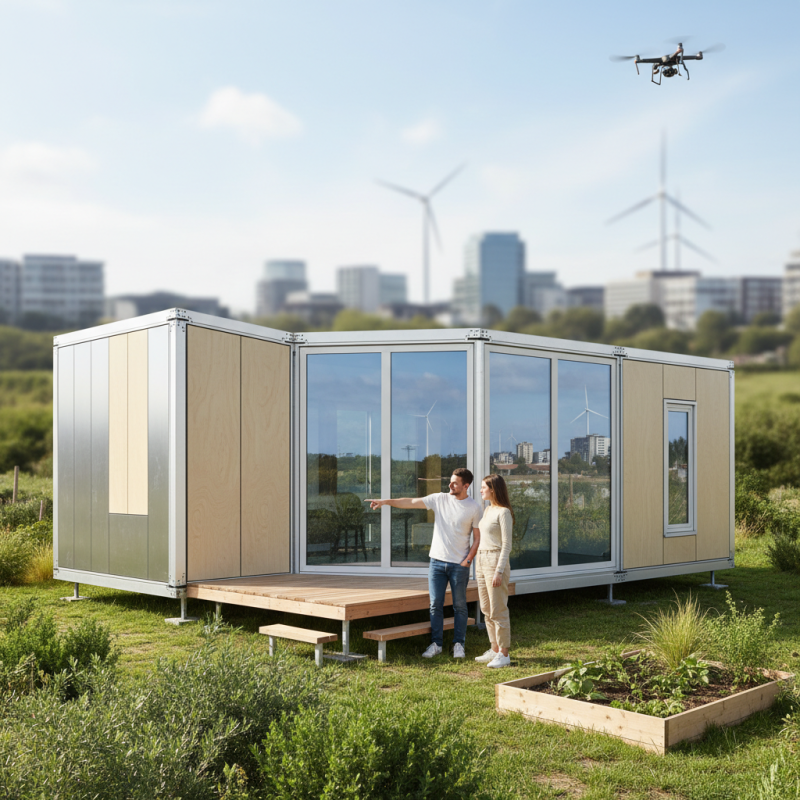
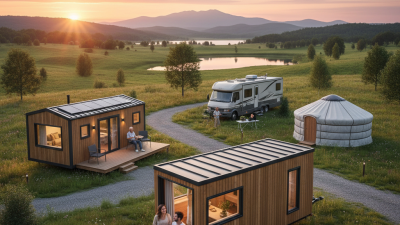
A foldable house offers a unique solution, allowing individuals and families to enjoy the benefits of a traditional home while embracing the compactness and mobility that contemporary lifestyles require. These structures can be easily assembled and disassembled, making them ideal for transient living situations, emergency housing, or simply for those who wish to experience minimalistic living. The design possibilities are limitless, and as technology advances, the realization of foldable houses is becoming more accessible for a broader audience.
As we delve into the steps and considerations for building a foldable house, it is essential to explore not only the practical aspects but also the environmental impact and the future of urban living. This guide serves as an introduction to the principles behind creating a foldable house, underscoring the importance of innovation in addressing the housing challenges of our time.
Design Principles of Foldable Houses for Efficient Living
The design principles of foldable houses focus on maximizing functionality and efficiency, catering to the growing demand for affordable and flexible living solutions. A key aspect of these principles is modularity, which allows for easy assembly and disassembly, adapting to various living needs. According to a report from the International Organization for Standardization (ISO), modular construction can reduce building time by up to 50% and lower costs by 20-30%, making it a highly attractive option for urban environments where space is at a premium.
Incorporating sustainable materials is another crucial design principle in foldable houses. Research conducted by the Global Alliance for Building and Construction revealed that building operations account for 36% of global energy use and 39% of carbon emissions. By using renewable materials and energy-efficient technologies, foldable houses can significantly minimize their ecological footprint. Additionally, the compact nature of these homes often encourages a minimalist lifestyle, reducing the consumption of resources and promoting a more sustainable way of living. Implementing these design principles not only enhances the livability of foldable houses but also contributes to a more sustainable future.
Materials and Technologies Used in Foldable House Construction
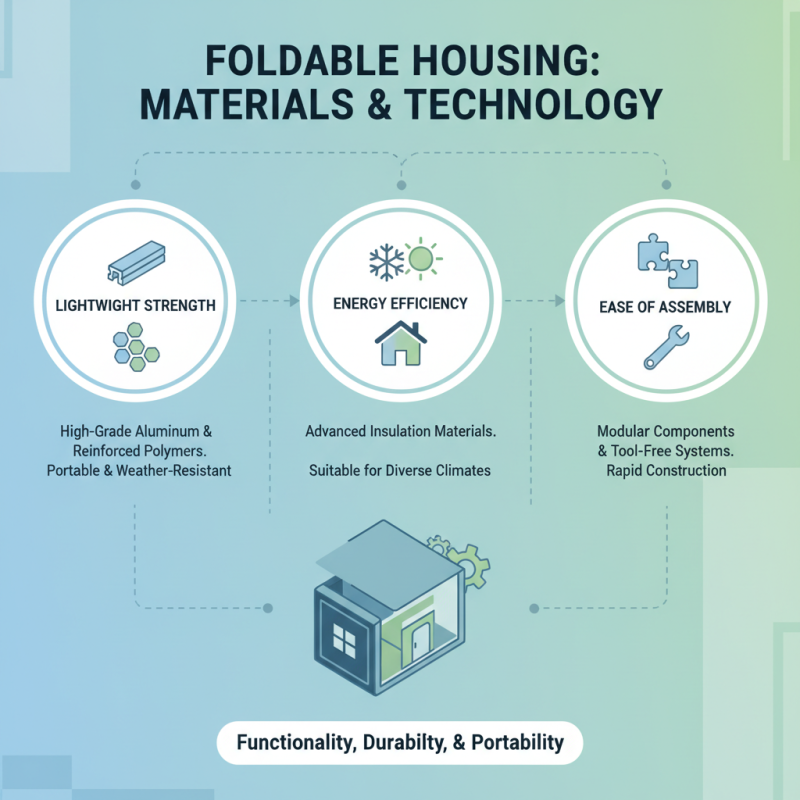
In the construction of foldable houses, the choice of materials and technologies plays a pivotal role in ensuring functionality, durability, and ease of assembly. Lightweight yet strong materials such as high-grade aluminum and reinforced polymers are commonly utilized. These materials not only contribute to the overall portability of the foldable structure but also withstand varying weather conditions. In addition, advanced insulation materials are integrated to enhance energy efficiency, making these homes suitable for diverse climates.
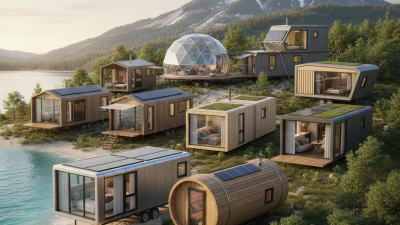
The technologies employed in the design of foldable houses are equally innovative. Modular construction techniques allow for easy extension or reduction of living space, enabling customization according to the occupants’ needs. Smart home technologies are increasingly incorporated, offering automated systems for lighting, heating, and security, which can be controlled remotely. Furthermore, the use of sustainable materials and renewable energy sources, such as solar panels, is gaining traction, minimizing the ecological footprint of these compact dwellings and promoting eco-friendly living solutions.
Cost Analysis of Building and Maintaining a Foldable House
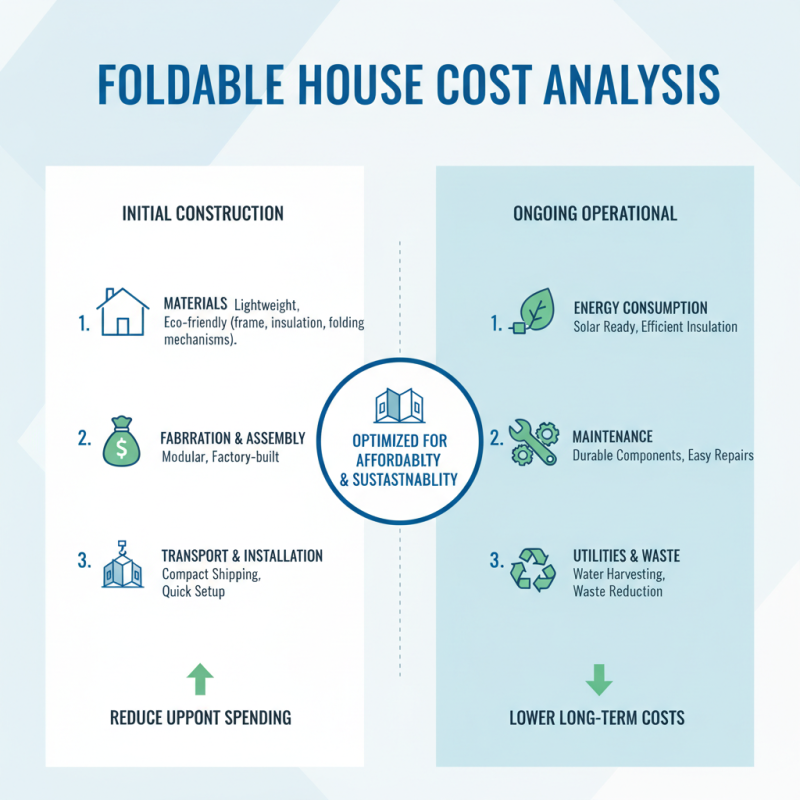
When considering the cost analysis of building and maintaining a foldable house, it is essential to break down the initial construction expenses and ongoing operational costs. The primary investment will encompass materials such as lightweight but durable structures, insulation, and folding mechanisms. These elements are crucial for ensuring both functionality and longevity. Depending on the design and features, the cost of materials can vary significantly, but opting for eco-friendly options can lead to savings in the long run due to their energy efficiency.
Maintenance costs for a foldable house are generally lower than traditional homes. The streamlined design reduces the need for extensive repairs and upkeep. Regular inspections and minor repairs may be necessary, but the simplicity of the foldable structure can facilitate easier access and intervention. Furthermore, the energy-efficient design often translates into lower utility bills, making it a sustainable choice. By analyzing these financial aspects, potential homeowners can make informed decisions about the viability of adopting a foldable house as their living solution.
Sustainability and Environmental Impact of Foldable Homes
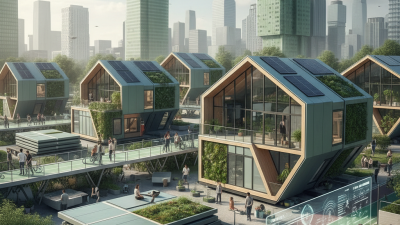
The rise of foldable homes represents a significant advancement in sustainable living solutions, responding to increasing urbanization and housing shortages. According to the United Nations, approximately 55% of the world’s population resides in urban areas, a figure expected to rise to 68% by 2050. This urban influx intensifies the demand for innovative housing solutions that can be both affordable and environmentally friendly. Foldable homes, designed for quick assembly and disassembly, provide a flexible alternative that can adapt to varying living needs while minimizing waste.
The environmental impact of foldable homes is particularly promising. Research from the World Green Building Council indicates that construction and operation of buildings contribute to nearly 39% of global carbon emissions. By utilizing sustainable materials and efficient production techniques, foldable homes can significantly reduce their carbon footprint. For instance, many designs incorporate energy-efficient systems and renewable energy sources, further enhancing their sustainability. Furthermore, their mobility allows for a reduced land use impact, as these homes can be relocated instead of occupying permanent structures that disrupt the ecosystem. As awareness of climate change rises, foldable homes present a viable option for environmentally conscious consumers seeking modern, flexible living solutions.
Case Studies: Successful Implementations of Foldable House Designs
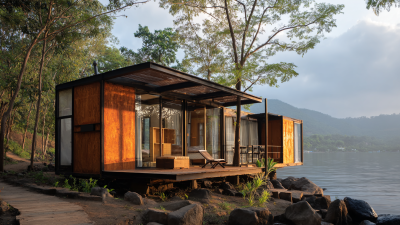
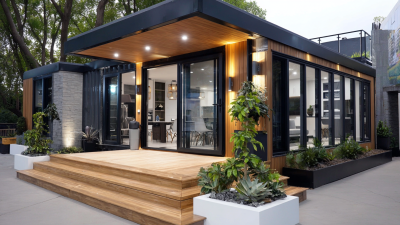
The rise of foldable houses has inspired innovative living solutions that prioritize both functionality and versatility. One notable case study is a project that transformed shipping containers into stylish and practical foldable homes. These designs not only maximize space but also promote eco-friendliness by repurposing materials. The use of modular components allows occupants to assemble or disassemble their homes quickly, making relocation or adaptation to various environments effortless. This adaptability has attracted urban dwellers looking for affordable housing options in crowded cities.
When considering building a foldable house, it’s important to focus on essential design elements. **Tip 1:** Ensure your plans incorporate durable materials that withstand frequent assembly and disassembly without compromising structural integrity. **Tip 2:** Maximize natural light by incorporating large windows or skylights, creating a spacious and inviting atmosphere essential for small living spaces. **Tip 3:** Pay attention to utility access during the design phase to facilitate easy connections to power and water, ensuring a comfortable living experience without permanent fixtures.
Another successful implementation involved a foldable house designed specifically for disaster relief. These structures can be rapidly deployed in areas affected by natural disasters, providing immediate shelter for displaced individuals. The flexibility of foldable homes allows for easy transportation, making them ideal for humanitarian efforts globally. The success of this project demonstrates the potential of foldable designs to address urgent housing needs while promoting sustainable development.