10 Best Prefab Homes Tips for Your Dream Home Today?
In recent years, the demand for the best prefab homes has surged. Industry reports indicate a 25% increase in prefab housing sales since 2020. This growth reflects a changing perception of manufactured homes. People are now seeing them as viable alternatives to traditional houses. Prefab homes can be affordable, efficient, and customizable.
Choosing the right prefab home is essential for achieving your dream living space. Many options are available, making it easy to feel overwhelmed. You might find some designs stunning, but they may not suit your needs. It's vital to focus on practicality and long-term value. Understanding your lifestyle and budget can help narrow down choices.
Quality varies significantly among providers. Not every prefab home is built with the same standards. Research is crucial to identify reputable manufacturers. Investing time in this process can lead to better decisions and less regret. Ultimately, your dream home should meet both your aesthetic desires and functional requirements.
Selecting the Right Prefab Home Style for Your Needs
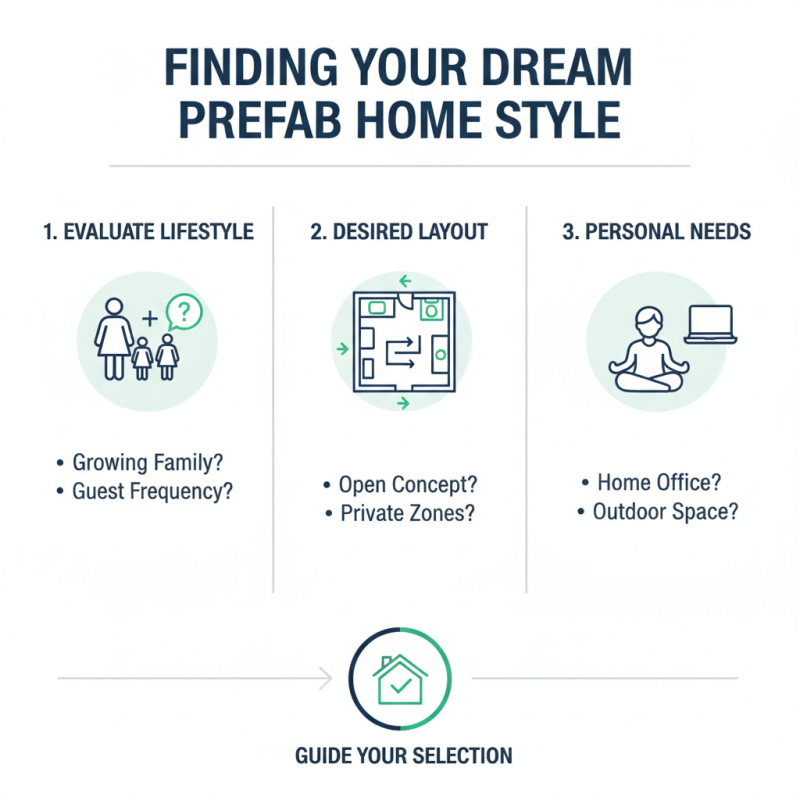
Choosing the right prefab home style is crucial for creating your dream space. Evaluate your lifestyle and needs. Do you have a growing family? Do you prefer an open layout? Answering these questions can guide your selection.
Consider these tips when selecting your prefab home. Pay attention to size and layout. Open floor plans can enhance social interactions. But do they suit your needs? Also, think about energy efficiency. Homes designed with sustainability in mind can save costs long-term. Get a sense of the materials used. They must withstand your local climate well.
Each prefab style offers unique benefits. Some may fit your aesthetic but lack functionality. Others might excel in practicality yet fall short in design. Reflect on what matters most to you. Blending style with utility is key for happy living. Always ask yourself: Does this choice meet my current and future needs? Adjust your vision accordingly.
Understanding the Key Differences Between Prefab and Traditional Homes
Prefab homes have gained popularity in recent years, often viewed as a modern solution to housing needs. Understanding the key differences between prefab and traditional homes is crucial for making informed decisions. According to a report by the National Association of Home Builders, prefab homes can be built in 30-50% less time than traditional homes. This efficiency stems from streamlined manufacturing processes and reduced construction time on-site.
One critical difference lies in the design flexibility. Traditional homes often offer more customization, but prefab homes are catching up. They allow for various layouts and options that meet diverse lifestyle needs. However, buyers should be aware that some design options in prefab homes may come with limitations. It's essential to assess what features matter most before making a choice.
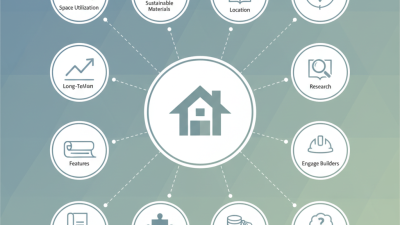
When considering prefab homes, keep these tips in mind. Research local regulations to avoid potential issues with zoning or permits. Prioritize energy efficiency; many prefab homes incorporate sustainable materials. Finally, engage with your builder early; clear communication can prevent misunderstandings. Many builders report that initial discussions can lead to smoother projects. Remember, every home, prefab or traditional, has its advantages and challenges. Take the time to reflect on what truly suits your needs.
Comparison of Construction Time: Prefab vs Traditional Homes
This bar chart illustrates the average construction time for prefab homes compared to traditional homes. As shown, prefab homes are typically completed in around 3 months, while traditional homes can take up to 9 months or more to finish.
Essential Features to Consider When Designing Your Prefab Home
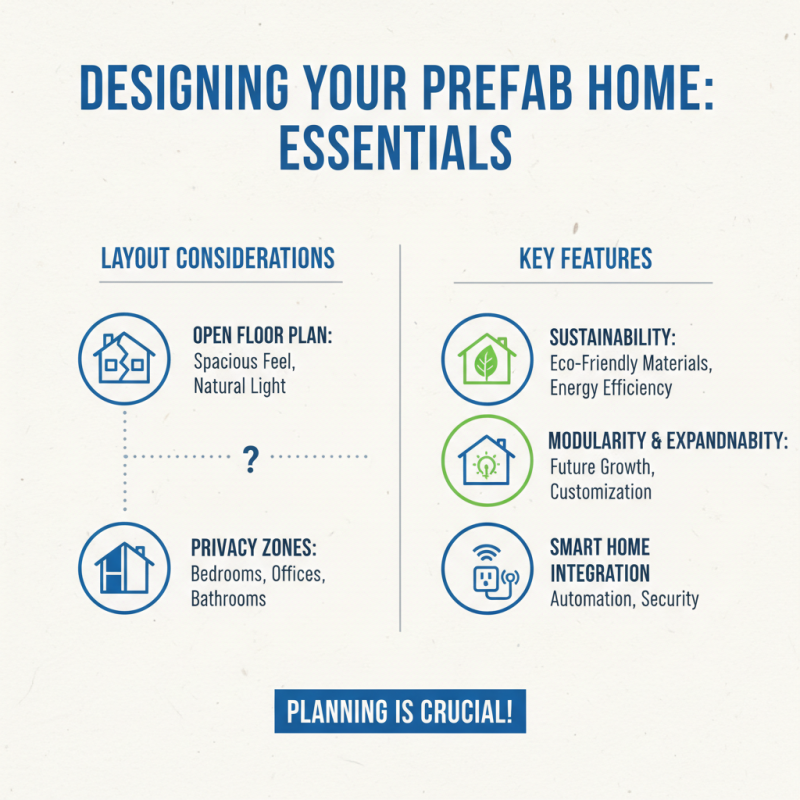
Designing a prefab home can be exciting and challenging. Essential features should not be overlooked. Start by considering the layout. An open floor plan can create a spacious feel. However, think about privacy too. Not every area needs to be visible.
Tips to keep in mind include energy efficiency. Use windows that maximize natural light while minimizing heat loss. Insulation is crucial in maintaining temperature control. You want a cozy home, not an energy-draining structure.
Another important feature is storage. Prefab homes can feel small without smart storage solutions. Built-in shelves or multifunctional furniture can help. Don’t forget the outdoor space. Balconies or patios can extend your living area. Remember, each feature contributes to your dream home. It's easy to overlook details like these, but they matter.
Navigating Building Codes and Regulations for Prefab Homes
When considering a prefab home, understanding building codes and regulations is crucial. Authorities typically require specific permits before construction begins. This ensures safety standards and compliance with local laws. Familiarize yourself with zoning laws. Is your land designated for residential building? Knowing this can save you time and money.
Design and layout may also be affected by regulations. For example, setbacks often limit how close a structure can be to property lines. Be prepared for possible changes. Your dream design may need adjustments. Some areas have strict height limits or architectural styles. These restrictions can feel frustrating. However, overcoming them can lead to a unique home that fits your community perfectly.
Don't rush the process. Research local regulations thoroughly. Waiting for permits can be annoying, but it's necessary. Building codes are in place to protect you and your future neighbors. Taking the time to understand them can lead to a smoother building experience. Patience pays off in the end, ensuring your prefab home aligns with both your vision and local standards.
Budgeting for Your Prefab Home: Costs and Financial Tips
When planning a prefab home, budgeting is crucial. The average cost of prefab homes ranges from $100 to $300 per square foot. This figure varies based on design, materials, and location. A small, basic unit can cost around $50,000, while more elaborate options may exceed $500,000. Understanding these figures helps manage expectations.
Consider the hidden costs. Site preparation, transportation, and permits can add thousands to your budget. According to industry research, these costs often amount to 10-20% of the total price. Did you factor in utility connections? These expenses accumulate quickly. It's essential to have a contingency fund for unexpected costs.
Financing a prefab home may also present challenges. Many banks are hesitant to finance prefabs, viewing them as risky investments. Research varies, but some studies suggest that only 25% of lenders are comfortable with this type of financing. This requires careful planning. Prepare all necessary documentation to strengthen your financing request. A thorough budget ensures you’re ready for the journey ahead.
10 Best Prefab Homes Tips for Your Dream Home Today