10 Best Prefab Container House Designs for Sustainable Living?
In recent years, the concept of the prefab container house has gained significant popularity. These innovative structures offer a modern solution for sustainable living. They come in various designs, showcasing both functionality and aesthetics. Many people are drawn to their eco-friendly nature and affordability.
Prefab container houses provide an effective way to reduce environmental impact. They utilize recycled materials and often feature energy-efficient designs. However, there are challenges to consider. Not all designs suit every location, and potential limitations exist in customization. While cost-effective, some might find their aesthetics unsatisfactory.
Despite these imperfections, prefab container houses still inspire creativity. Their versatility allows for unique adaptations to meet personal needs. As we explore the ten best designs, we will uncover both their strengths and weaknesses. This journey into sustainable living highlights the potential of these remarkable structures.
Overview of Prefab Container Houses and Their Benefits
Prefab container houses are becoming increasingly popular due to their eco-friendly design. Many people are seeking sustainable living options. These houses use repurposed shipping containers, significantly reducing waste. According to a recent report by the World Bank, construction contributes to about 38% of global carbon emissions. By opting for container homes, individuals can help mitigate this issue.
One significant benefit of prefab container homes is their energy efficiency. The insulation properties of containers are quite effective. A study by the U.S. Department of Energy found that properly insulated metal buildings can save up to 30% on heating and cooling costs. This aspect makes such homes not just environmentally friendly, but also financially smart. However, designing for maximum efficiency requires thoughtful planning and design, which can sometimes be overlooked.
Flexibility is another advantage. Container homes are modular, allowing for various configurations. Homebuyers can stack, combine, or modify containers easily. However, this flexibility can lead to challenging zoning regulations in some areas. Navigating these regulations can be complex and time-consuming. The potential for innovation exists, yet it often encounters bureaucratic hurdles. This reflects a need for continuous adaptation in sustainable design practices.
Design Principles for Sustainable Living in Container Homes
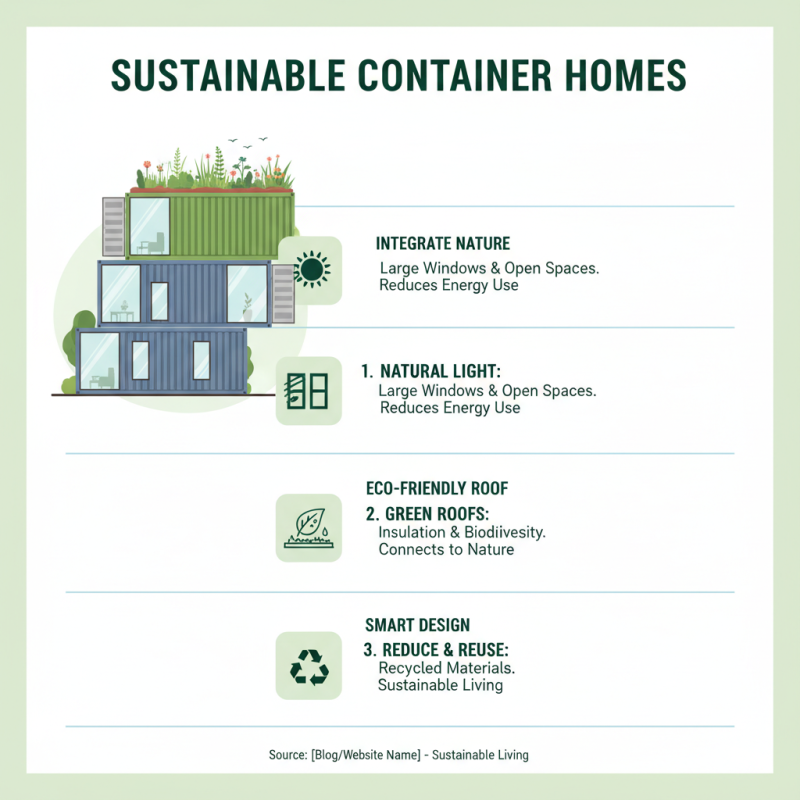
When designing container homes for sustainable living, the focus should be on integrating the environment. Natural light is essential. Large windows and open spaces can reduce the need for artificial lighting. Green roofs are an excellent feature. They provide insulation and increase biodiversity. These elements bring nature closer to home.
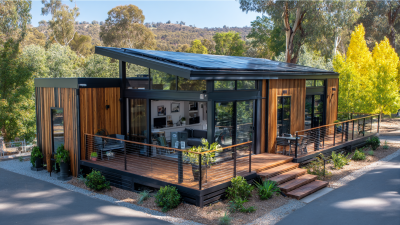
Materials matter. Choosing locally sourced, recycled materials can lessen the carbon footprint. Insulation is crucial in maintaining a comfortable temperature. Good insulation reduces energy costs. Incorporating renewable energy sources, like solar panels, enhances sustainability. However, the initial costs can be high, requiring careful planning and thought.
Water management is another key principle. Rainwater harvesting systems are useful. These capture rain for reuse, reducing the need for municipal water. Yet, not all designs accommodate this well. Landscape choices also play a role. Native plants demand less water and maintenance. But they may not fit everyone's aesthetic preference. Creating a balance is challenging but essential for sustainable living.
Top 10 Innovative Prefab Container House Designs
Prefab container houses are becoming popular for sustainable living. Many designs feature innovative layouts and eco-friendly materials. Research from the U.S. Department of Housing and Urban Development shows that these homes can cut construction waste by up to 76%. This fact makes prefab containers appealing for eco-conscious buyers.
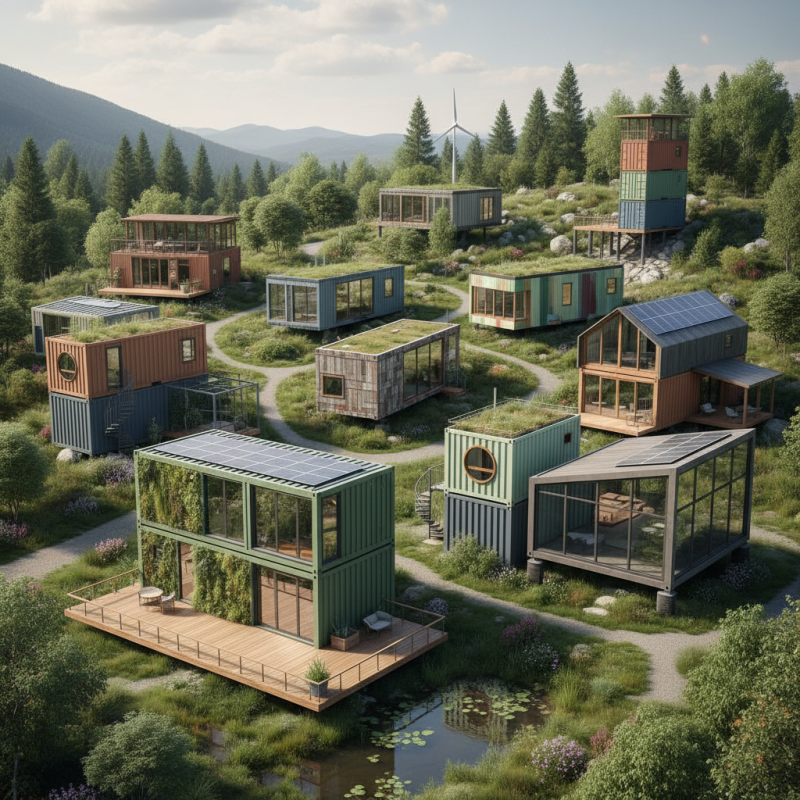
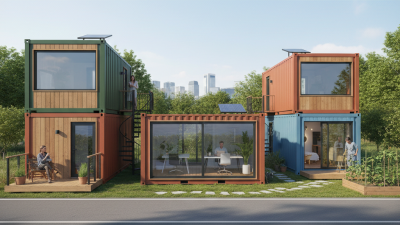
One standout design is the modular container home with green roofs. These roofs offer insulation and promote biodiversity. Additional features may include solar panels and rainwater harvesting systems. According to a recent report by the World Green Building Council, energy-efficient homes can reduce energy consumption by 50%.
However, building with containers isn't perfect. They can experience insulation issues if not designed correctly. Also, the upfront cost can deter some buyers. Certain designs require extensive customization, adding to expenses. It's essential to research thoroughly before making decisions. These homes hold great promise but come with their own challenges.
Materials and Construction Techniques for Eco-Friendly Containers
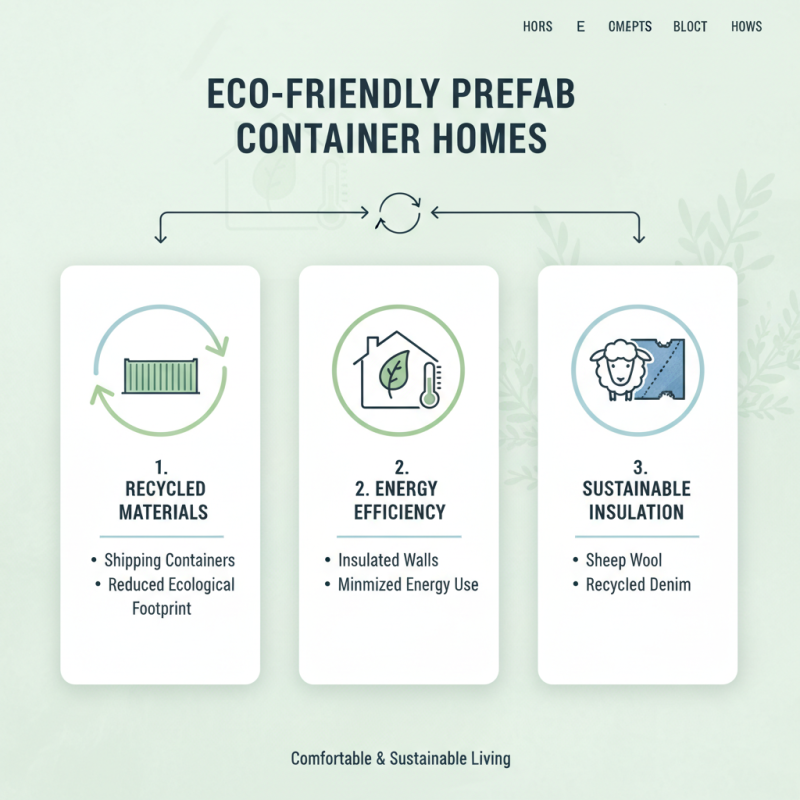
Prefab container houses are gaining popularity for their eco-friendly approach. They utilize recycled materials like shipping containers, which can significantly reduce ecological footprints. These containers are sturdy and can be insulated with sustainable materials, minimizing energy consumption. Using natural insulation, such as sheep wool or recycled denim, is an excellent way to keep the indoor climate comfortable.
Construction techniques often emphasize local sourcing. Using locally sourced materials not only supports nearby economies but also reduces shipping emissions. Eco-conscious builders often repurpose additional items, like windows or doors, to enhance energy efficiency. However, there’s a learning curve. Mismatched materials can lead to structural issues.
While many designs look sleek and modern, the initial adaptation can be challenging. Not all containers are perfect. Some may have rust or wear, requiring extra care. It's vital to assess each unit thoroughly before making it a home. Embracing these imperfections can lead to unique designs and a sense of creativity in sustainable living.
Future Trends in Sustainable Container Housing Solutions
The future of sustainable container housing is evolving rapidly. Prefab container homes are becoming popular for several reasons. They offer flexibility and reduce construction waste. According to a report by the World Bank, traditional construction methods generate about 30% of global waste. Prefab homes can cut this down significantly.
In 2023, studies show a marked rise in energy-efficient designs. About 40% of new container homes utilize solar panels or green roofs. These features help reduce energy costs and carbon footprints. The demand for sustainable living solutions is increasing. Yet, challenges remain. Many designs lack durability under extreme weather conditions. Some homes require extra insulation to meet energy efficiency standards.
The aesthetic appeal of container homes is also a factor. Many designs prioritize modern looks, which may not always comply with local regulations. As trends shift, regulations may struggle to keep pace. The industry must reflect on these gaps. It's essential to create homes that not only look good but also perform well. Balancing beauty and functionality will be key to the success of future container housing solutions.
10 Best Prefab Container House Designs for Sustainable Living