Container homes are gaining popularity for their unique design and sustainability. As reported by industry analysts, the global market for container homes is expected to reach $73 billion by 2027. This growth reflects a rising interest in affordable housing options.
These homes are made from repurposed shipping containers, offering a cost-effective and efficient construction method. They can be customized easily, with various styles and layouts to fit different needs. However, not all container homes meet building regulations, which can be a significant drawback.
Additionally, while these homes are energy-efficient, they can present challenges, like insulation and temperature control. It's essential to weigh the benefits and potential issues carefully. Container homes can be a great option, but they require thoughtful planning and consideration.
The Rise of Container Homes: An Overview of Their Popularity
Container homes have gained immense popularity in recent years. They are cost-effective and environmentally friendly. Made from repurposed shipping containers, these homes offer flexibility. Many people are drawn to their unique aesthetic and sustainable features. Tiny living has become a trend, with containers at the forefront. The minimalistic lifestyle resonates with eco-conscious individuals.
However, building a container home isn’t without challenges. Proper insulation is crucial for comfort. Some may find zoning laws daunting. These hurdles require careful planning and research. The layout can feel constrained, especially for larger families. Creativity is necessary to maximize space and functionality.
Yet, the charm of container homes often outweighs these concerns. They can blend seamlessly into various landscapes. Imagine a cozy container cabin nestled in the woods or a sleek modern home by the beach. The architecture can be stunning, showcasing innovative designs. As interest grows, so does the variety of styles and concepts. More people are discovering the potential and allure of living in a container home.
Key Benefits of Living in Container Homes: Cost, Durability, and Sustainability
Container homes are gaining popularity for several reasons. One key benefit is cost efficiency. They are often cheaper to build than traditional houses. The material is readily available and construction time is shorter. This makes them an attractive option for budget-conscious buyers. However, initial investment can still be high. It depends on design choices and location. Not everyone may find it budget-friendly.
Durability is another major advantage. Container homes are built to withstand harsh conditions. They are resistant to pests and rotting. Yet, some people worry about insulation. Proper insulation is crucial to maintain temperature and comfort. Additionally, sustainability is a significant factor. Using recycled containers reduces waste and is eco-friendly. This appeals to those who value green living. Still, it's important to evaluate the environmental impact of modifications. Overall, container homes offer a unique lifestyle, but they come with challenges.
Key Benefits of Living in Container Homes
Top Features to Consider When Choosing a Container Home Design
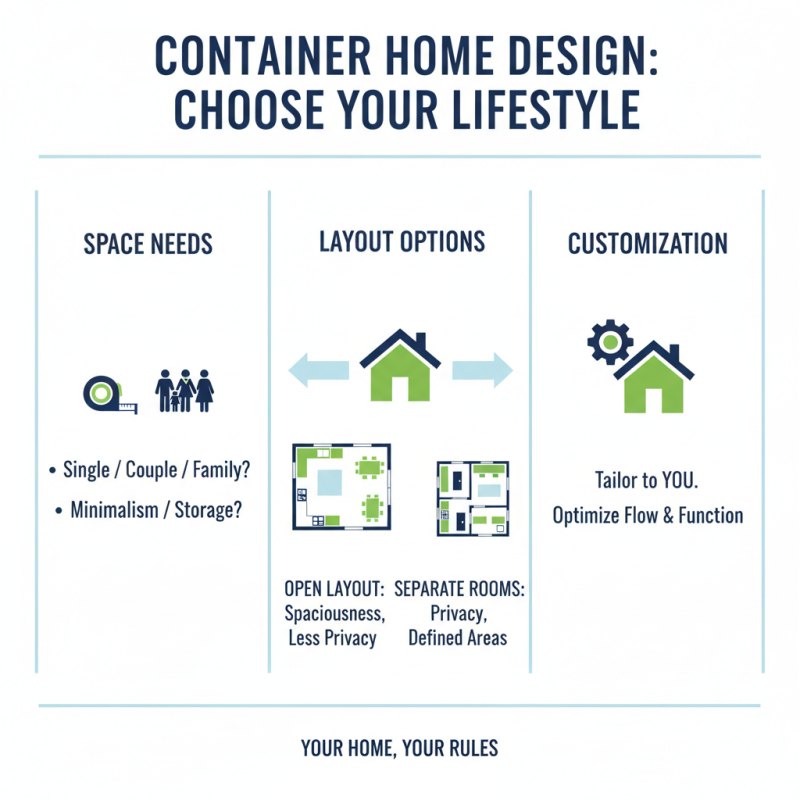
When choosing a container home design, consider your lifestyle. Think about space needs. Do you want an open layout? Or separate rooms? Open floor plans are popular. They create a sense of spaciousness. However, they may lack privacy. Customizing layouts is a great option to fit personal needs.
A major feature to think about is insulation. Container homes can become too hot or cold. Proper insulation helps maintain a comfortable temperature. Investigate different insulation materials. Some perform better in certain climates. This detail can impact your energy bills.
Know your preferences regarding aesthetics. Colors and finishes can change the look dramatically. You might prefer industrial styles with exposed metal. Or, cozy wooden interiors might appeal more to you. Each choice sends a different vibe. Experimenting with different designs may bring unexpected results.
Remember, container homes are unique. They often come with quirks and challenges. Embrace the flaws. They might lead to creative solutions. Reflect on how each choice fits into your vision. Balancing functionality with personal style is essential.
Innovative Container Home Projects: Case Studies and Unique Designs
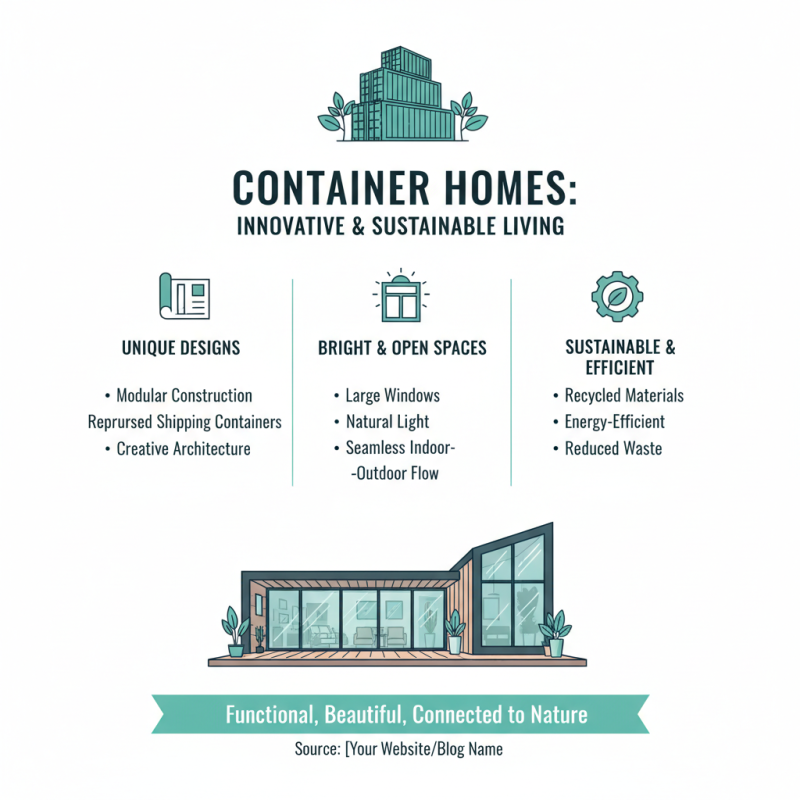
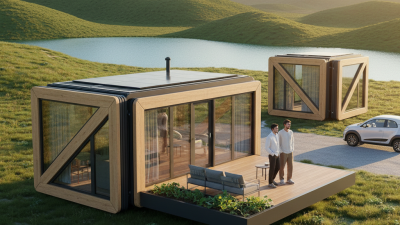
Container homes are gaining popularity for their unique designs and sustainability. Many projects showcase creativity in repurposing shipping containers. These homes can be both functional and aesthetically pleasing. A standout example is a modular container home that uses large windows to create a bright, inviting space. The clever use of outdoor decks enhances the living area and connects it with nature.
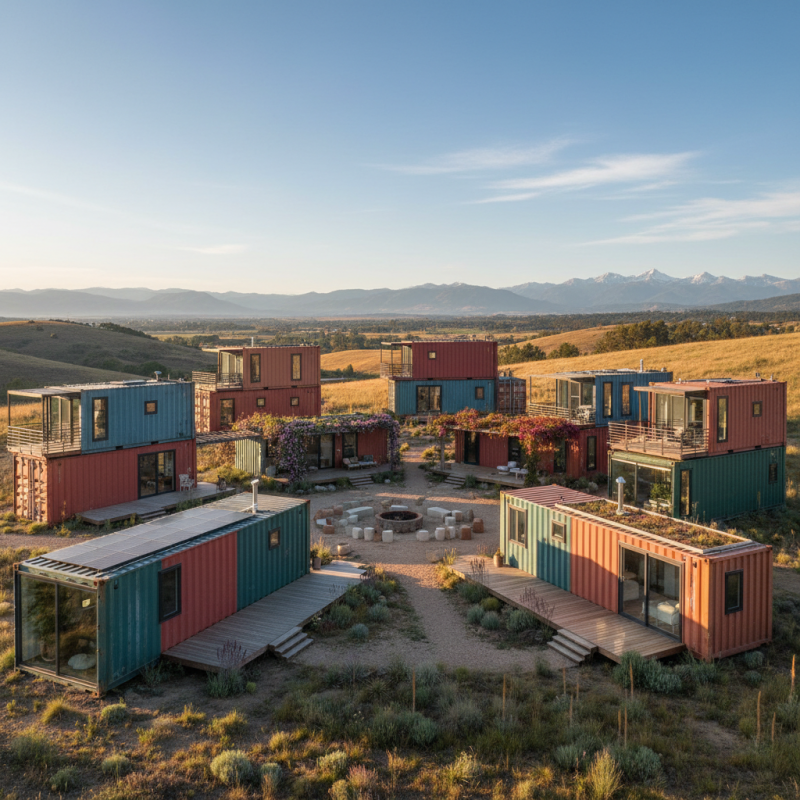
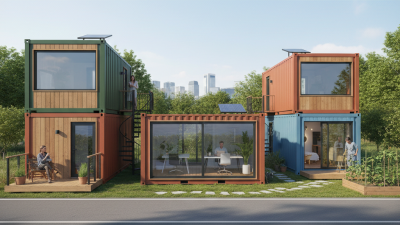
Some designs feature multiple containers stacked to create impressive multi-level structures. These homes often have open floor plans that maximize space. However, they can pose challenges in insulation and temperature control. Each design needs careful planning to ensure comfort. Another project might demonstrate the use of containers in remote locations. Here, the combination of rugged exteriors and modern interiors offers a stark contrast that captivates many.
Incorporating green building techniques is also essential. Solar panels and rainwater harvesting systems are common features. Yet, some projects face criticism regarding their environmental impact. Building codes can vary, leading to potential regulatory headaches. Despite these hurdles, the innovative spirit in container home design shows that creativity often flourishes within constraints.
Future Trends in Container Homes: Market Predictions and Innovations
The trend of container homes is gaining momentum. These unique structures are innovative and eco-friendly. They are often praised for their durability and affordability. However, potential owners face challenges. Building codes may vary, and not every plot of land is suitable for such homes.
Future predictions for container homes look promising. Innovations in design are happening rapidly. New insulation techniques could improve energy efficiency. Smart technology integration is also on the rise. Yet, some may question the long-term viability of these homes. Will they depreciate faster than traditional houses?
Creativity knows no bounds. Repurposed containers can become anything from cozy cottages to trendy cafes. Each project tells a story and reflects the owner's vision. Yet, the aesthetics may not appeal to everyone. Some find container homes too industrial or uninviting. It’s essential to consider personal preference when exploring this trend.