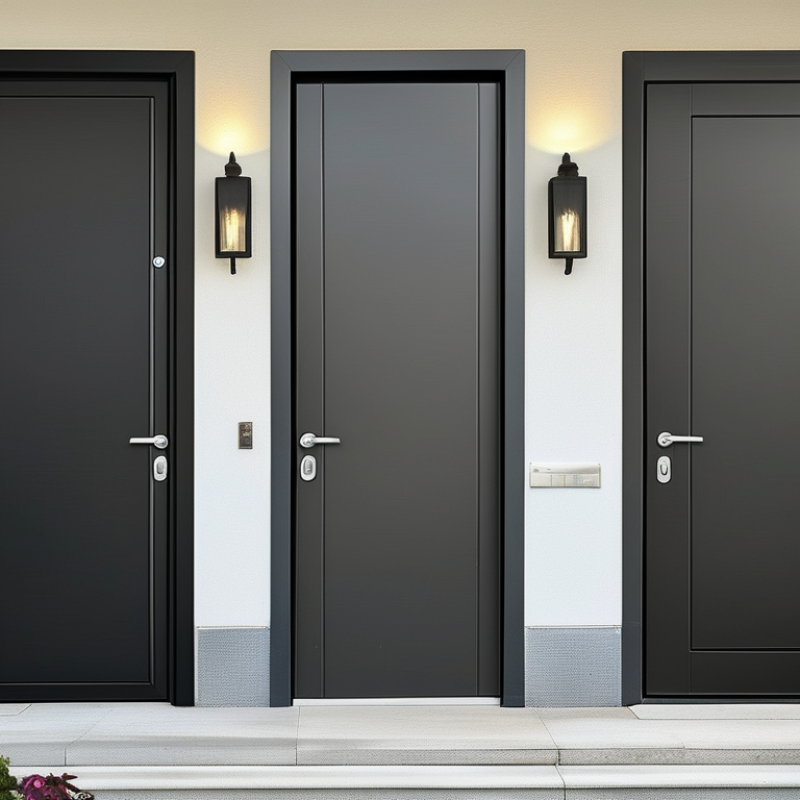
Best Aluminium Door Profiles for Global Buyers What to Choose?
Selecting the right Aluminium Door Profile is crucial for both aesthetics and functionality. With a variety of options available, global buyers can find profiles that meet their specific needs. Quality, durability, and design are essential factors to consider.
Aluminium door profiles come in different shapes and finishes. Buyers should evaluate their local climate and architectural styles. Some profiles may perform well in certain environments while failing in others. Balance is key in making the right choice.
It’s important to acknowledge that there is no one-size-fits-all solution. Personal preferences and project requirements play a significant role in the selection process. This guide aims to equip buyers with valuable insights, ensuring informed decisions in a competitive market.
Best Aluminium Door Profiles: An Overview of Industry Standards and Types
When selecting aluminium door profiles, it’s essential to consider various industry standards. Different profiles serve distinct functions, impacting durability and aesthetics. For instance, thermal break profiles are widely used for their energy efficiency. These designs minimize heat transfer, promoting better insulation.
There are numerous types of aluminium door profiles in the market. Some offer enhanced security features, while others focus on style. A flush panel design may provide a modern appearance, but it requires careful maintenance. Welded corners can improve strength and longevity, yet they may present challenges during installation.
A common mistake is overlooking compatibility with existing structures. Profiles must be chosen with the building's overall design in mind. Poor choices can lead to issues like misalignment or water leakage. Buyers must weigh practicality against aesthetics, each choice carries weight.
Best Aluminium Door Profiles for Global Buyers
This chart represents the distribution of various types of aluminium door profiles preferred by buyers across different regions. The data demonstrates the popularity of each profile type among global buyers.
Key Factors in Choosing Aluminium Door Profiles for Different Environments
When selecting aluminium door profiles, several environmental factors must be considered. Humidity and temperature fluctuations can affect the performance of the profiles. According to industry data, high humidity may lead to corrosion if inferior coatings are used. Thus, choose profiles with high-quality finishes for areas with moisture.
In coastal regions, it’s essential to select marine-grade aluminium profiles. These are specifically treated to withstand saline exposure. A study by the International Aluminium Institute highlights that properly treated aluminium shows longevity of over 50 years in such environments. Additionally, thermal performance is critical. Energy-efficient profiles can reduce heat loss, decreasing energy costs by up to 30%.
Tip: Always check the profile's thermal break properties. It can enhance insulation.
Moreover, aesthetic appeal is important. The right finishes or colors can significantly impact the overall look of a property. It’s worth noting that many buyers overlook the importance of proper fit and alignment of profiles. Poor fitting can lead to water ingress or accessibility issues.
Tip: Consider hiring a professional for installation. Their expertise can prevent common pitfalls.
Comparative Analysis of Aluminium Door Profile Materials and Coatings
When selecting aluminium door profiles, understanding the materials and coatings is essential. Aluminium itself is lightweight and resistant to corrosion. However, not all aluminium is created equal. Different grades have different strengths and weaknesses.
Coatings play a crucial role in durability and aesthetics. Powder coating is popular for its high resistance to chipping and fading. This makes it suitable for outdoor settings. On the other hand, anodized coatings provide a smoother finish, enhancing the metal's natural appearance. However, these coatings might not be as durable under harsh conditions.
Buyers should consider their specific needs. For high-traffic areas, thicker profiles with strong coatings are necessary. In contrast, lighter designs might suffice for decorative doors. The choice often reflects both personal style and functional requirements. It’s vital to weigh these elements carefully to avoid mismatches that could lead to costly repairs or replacements.
Best Aluminium Door Profiles for Global Buyers - Comparative Analysis of Aluminium Door Profile Materials and Coatings
Profile Type
Material
Coating Finish
Thermal Insulation
Weight (kg/m)
Price Range (USD)
Sliding Door Profile
Aluminium 6063
Powder Coated
0.5 W/m²K
2.7
50 - 70
Bi-fold Door Profile
Aluminium 6060
Anodized
0.35 W/m²K
3.1
80 - 100
Hinged Door Profile
Aluminium 6005
Polyester Powder Coated
0.4 W/m²K
2.3
60 - 85
Casement Door Profile
Aluminium 6082
Baked Enamel
0.45 W/m²K
2.6
70 - 90
Global Trends in Aluminium Door Profile Design and Sustainability Practices
The global market for aluminium door profiles is evolving rapidly. Designers and manufacturers are embracing sustainability. Eco-friendly materials and processes are now crucial. This shift responds to growing consumer demand for greener products. Each step in production is being carefully scrutinized. This helps reduce waste and energy consumption.
In terms of design, minimalism is trending. Clean lines and sleek finishes are in vogue. Many profiles now feature thermal breaks to enhance insulation. This tech improves energy efficiency in buildings. However, there’s a challenge. Achieving durability while using sustainable materials can be tricky. Manufacturers must find the right balance between style and strength.
Moreover, recycling plays a significant role in sustainability. Aluminium is infinitely recyclable. This can reduce the carbon footprint of new products. While many companies are moving towards this, some still lag behind. There is a need for transparency in sourcing and production processes. Consumers should demand more information to make informed choices. Understanding these trends empowers buyers in their decisions.
Cost Considerations and Long-Term Benefits of Aluminium Door Profiles
When considering aluminium door profiles, cost and long-term benefits are essential factors. Aluminium offers durability and low maintenance. While the initial investment may be higher than other materials, the longevity often justifies the price. These profiles resist corrosion and can withstand harsh weather. This means fewer repairs or replacements over the years.
Investing in good quality is crucial. Price should not be the only consideration. Focus on the benefits that add value. Look for energy efficiency features that reduce heating and cooling costs over time. Additionally, consider aesthetic appeal; a well-designed door profile enhances the overall look of a property.
Tips: Always compare different supplier options. A low cost may indicate lower quality. Check reviews and request samples to ensure you're making the right choice. Also, consider local climate conditions that may affect the door's performance. Reflecting on these factors can lead to better decision-making.