Top Benefits of Using Container Cabins for Affordable Living and Workspaces
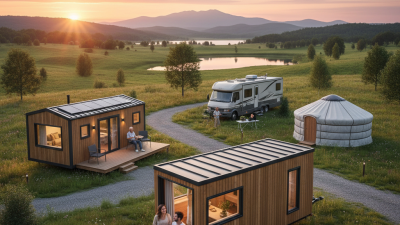
Container cabins have emerged as a revolutionary solution for both affordable living and versatile workspaces, captivating the attention of individuals and businesses alike. According to industry expert John Smith, a leading architect specializing in sustainable construction, "Container cabins provide an innovative way to maximize space and minimize costs, making them a smart choice for modern living and working." This perspective underscores the growing popularity of container cabins as a practical answer to escalating real estate prices and the rising demand for flexible work arrangements.
As urban environments become increasingly congested and the cost of traditional housing continues to soar, container cabins offer a unique alternative that does not compromise on comfort or functionality. These modular structures not only promote sustainability through the repurposing of shipping containers but also allow for creative designs that cater to diverse needs. With the ability to be customized and relocated, container cabins are proving to be an efficient solution for those seeking a balance between affordability and quality in both residential and commercial settings. As we delve into the top benefits of using container cabins, it becomes clear that this innovative approach is redefining concepts of space and practicality in our living and working environments.
Advantages of Container Cabins for Cost-Effective Living
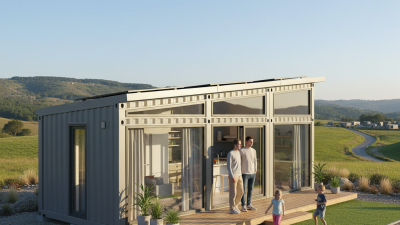
Container cabins have emerged as a popular solution for affordable living and workspaces, allowing individuals to embrace a minimalist lifestyle without compromising on comfort. One significant advantage of using container cabins for cost-effective living is their inherent durability. Constructed from steel, these cabins can withstand extreme weather conditions, minimizing maintenance costs and extending their lifespan compared to traditional housing. This resilience not only reduces the frequency of repairs but also enhances long-term affordability, making them an attractive option for budget-conscious individuals.
Another key benefit is their flexibility in design and functionality. Container cabins can be easily modified to meet unique residential or commercial needs, from creating modular living spaces to establishing efficient work environments. Their portable nature allows owners to relocate them as required, making them suitable for various settings, whether in urban centers or remote areas. Additionally, the relatively low initial cost of purchasing or leasing a container cabin provides an accessible entry point for those seeking affordable housing options or entrepreneurial spaces, further driving the trend towards sustainable and cost-effective living solutions.
Versatile Applications of Container Cabins for Workspaces
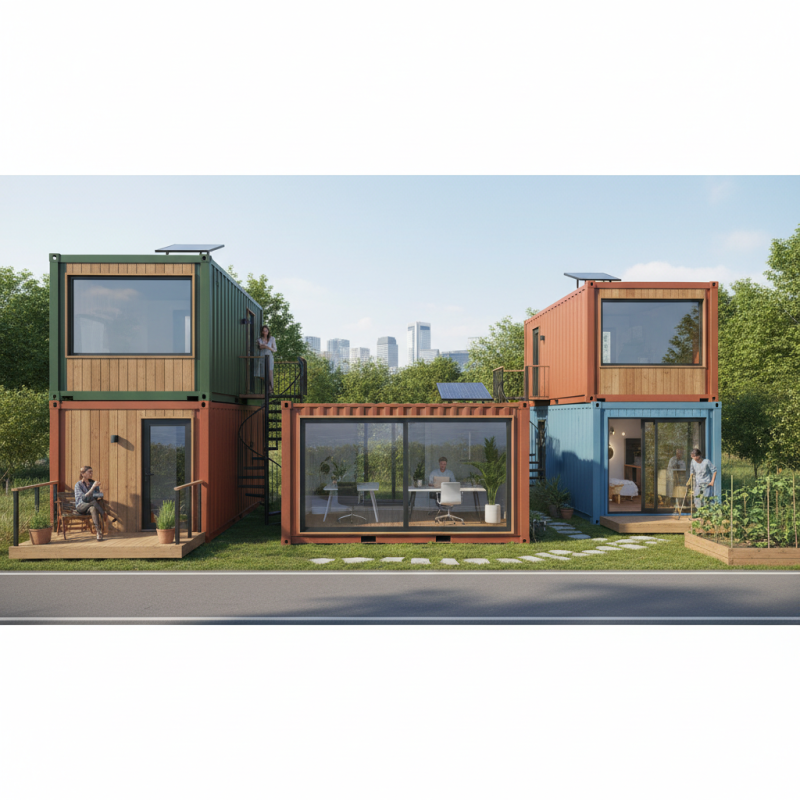
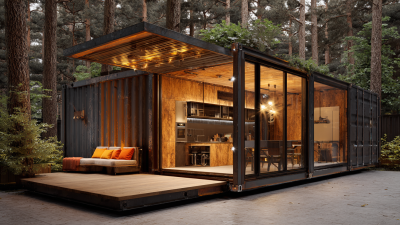
Container cabins have emerged as a versatile solution for various workspace needs, offering a practical approach for modern living and working environments. With their modular design, these cabins can be easily customized and repurposed for an array of professional uses. From on-site offices and remote project hubs to creative studios and workshops, container cabins provide an effective alternative to traditional office structures, catering to the diverse requirements of businesses and individual entrepreneurs alike.
The adaptability of container cabins makes them particularly appealing for dynamic workspaces. They can be stacked or configured in different layouts to accommodate teams of varying sizes, allowing companies to scale their operations quickly as needed. Additionally, their mobility enables businesses to transport them to different locations, making them ideal for temporary job sites or pop-up enterprises. This flexibility not only reduces operational costs but also fosters an innovative work culture by allowing teams to work in inspired and customizable environments.
Ultimately, container cabins represent a forward-thinking approach to workspace design, marrying functionality with affordability.
Sustainability and Environmental Benefits of Container Cabins
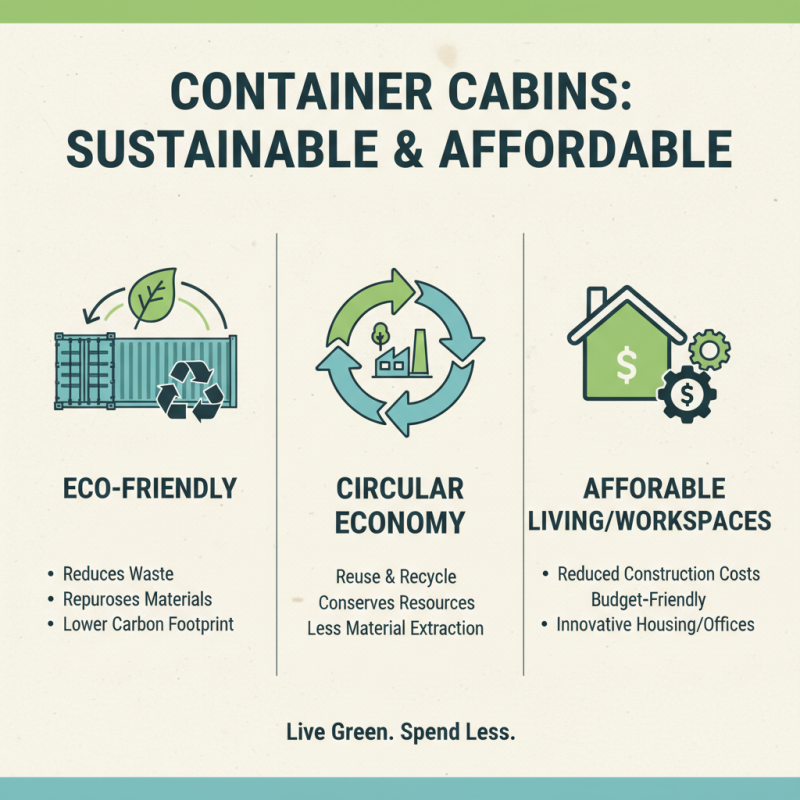
Container cabins represent a sustainable solution for affordable living and workspaces. By repurposing shipping containers, we can significantly reduce waste and minimize the environmental footprint associated with traditional construction methods. These structures often utilize recycled materials, contributing to a circular economy that emphasizes reuse over new material extraction. This practice not only conserves natural resources but also lowers overall construction costs, making it an attractive option for budget-conscious individuals and businesses.
Furthermore, container cabins can be designed to promote energy efficiency through the use of modern insulation techniques, solar panels, and rainwater harvesting systems. These components help reduce reliance on non-renewable energy sources, demonstrating a commitment to sustainable living. Additionally, their modular nature allows for efficient transportation and less disruption to the environment during installation. As the demand for eco-friendly housing continues to grow, container cabins stand out as a practical, innovative alternative that supports sustainability while providing flexible living and workspace solutions.
Customization Options for Container Cabins in Affordable Housing
Container cabins have emerged as a transformative solution for affordable living and workspaces, offering a myriad of customization options that cater to individual needs and preferences. One of the most appealing aspects of container cabins is their versatility in design. Homeowners and businesses can choose from a variety of layouts, finishes, and interior configurations that align with their vision. Whether it’s an open-plan layout designed for a cozy living space or a multi-room setup for a home office, the possibilities are limited only by the user's imagination.
Additionally, sustainability and efficiency play a crucial role in the customization of container cabins. Many individuals opt for eco-friendly materials and energy-efficient systems, such as solar panels and rainwater harvesting solutions, as part of their design. This not only contributes to a lower environmental impact but also enhances the affordability of long-term living costs. From personal touches in decor to innovative storage solutions, container cabins allow for a personalized approach that makes them suitable for diverse lifestyles and business needs.
Top Benefits of Using Container Cabins for Affordable Living and Workspaces - Customization Options for Container Cabins in Affordable Housing
Benefits
Description
Customization Options
Examples
Cost-Effective
Container cabins provide a budget-friendly solution for housing and workspaces.
Recycling of shipping containers contributes to environmental sustainability.
Green roofing, solar panel installations.
Eco-friendly living spaces, workspace with natural lights.
Mobility
Container cabins can be relocated easily if needed.
Trailer adaptations, wheel installations.
Mobile offices, temporary living solutions.
Fast Installation
Quick setup makes container cabins ideal for urgent housing needs.
Pre-fabricated units, quick-connect utilities.
On-site offices, temporary shelters.
Versatility
Can be used for a variety of purposes including housing, offices, and workshops.
Interior design choices, exterior finishes.
Art studios, pop-up shops.
Comparative Analysis: Container Cabins vs. Traditional Housing Solutions
Container cabins have emerged as a transformative solution for
affordable living
and workspaces, especially when compared to traditional housing solutions.
A comparative analysis reveals that container cabins can be constructed in a fraction of the time—often within weeks—compared to months for standard homes. According to a report by the International Organization for Standardization, the construction time for container cabins can be
30% faster
than traditional building methods. This efficiency not only reduces labor costs but also enables quicker occupancy, making it a compelling option for those in need of immediate housing or workspace.
One of the critical factors in evaluating the cost of living and workspace alternatives is the overall affordability. A study by the Housing Industry Association indicated that container cabins can be approximately
20-40% less expensive
per square foot than traditional homes. This lower price point allows individuals and businesses to allocate resources more effectively, potentially using savings for other essential expenses. Additionally, container cabins offer the flexibility to be modified and relocated with relative ease, which is a significant advantage over traditional homes that often require extensive renovations for additional space.
Tip 1: If considering a container cabin, assess your local zoning laws and regulations. Some areas may have specific codes that regulate the use of container structures, which could impact your project’s viability.
Tip 2: Explore the possibility of sustainable materials and off-grid options when designing your container living or workspace. These choices can further enhance affordability and reduce environmental impact, contributing to a more sustainable lifestyle.